How to Recognize Scam Calls and Protect Your Info
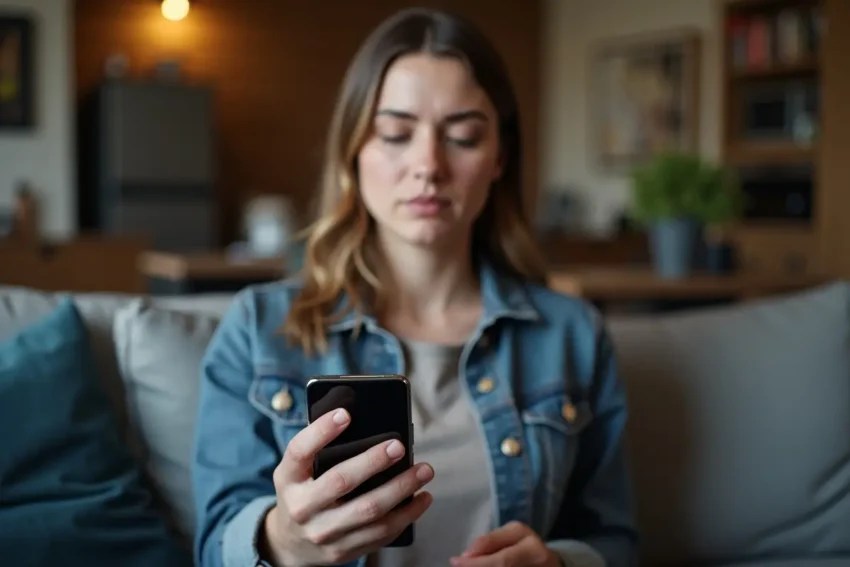
Imagine picking up your phone to see a call from your own bank or a local government office. The person on the other end sounds professional and mentions a problem with your account that needs immediate attention. These situations are designed to make you panic and act without thinking.
Scammers are getting smarter every day by using new technology to trick even the most cautious people. They often use spoofing to make a fake number look like a trusted organization on your caller ID.
Contents
Watch for High-Pressure Tactics
Scammers always want you to feel like there is an emergency. They might claim you owe money for a fine or that a relative is in trouble and needs cash. This pressure is meant to stop you from checking the facts or calling the actual organization back.
Legitimate businesses will not demand that you pay them immediately over the phone. If a caller insists that you stay on the line while you move money, it is a major red flag. Most official agencies send mail first and allow you time to respond through official channels. A quick way to verify who is actually calling is to use phone number lookup tools before you give out any private details. This simple step helps you see if a number has been flagged for fraudulent activity by other users.
Spotting Modern Voice Cloning
Recent technology allows criminals to clone the voices of people you know using just a short clip of audio. They can make it sound like a family member is calling from a new number because they are in a crisis. This makes the “grandparent scam” much harder to detect than it used to be.
Always have a “safe word” or a specific question only your loved one would know the answer to. If you get a suspicious call from a friend, hang up and call their known number back directly. Do not trust the voice alone, as AI-driven models can now craft very personalized and convincing messages.
Common Payment Request Red Flags
A huge sign of a scam is the method of payment the caller requests from you. Scammers love untraceable methods because it is almost impossible for you to get your money back once it is sent.
You should be wary if someone asks for:
- Prepaid gift cards or digital vouchers
- Wire transfers through services like Western Union
- Cryptocurrency payments to a specific wallet
- Security codes sent to your phone via text message
Official organizations like the CRA or the IRS will never ask for payment via e-transfer or crypto. They also do not send refunds or sensitive links through text messages. If a caller asks for your social security number or a password to “verify” your identity, hang up immediately.
The Risks of Answering Unknown Numbers
It might be tempting to answer every call, but doing so tells scammers that your line is active. Once they know a human is on the other end, they will likely increase the number of calls you receive. This can lead to your number being sold to other lists of potential targets.
If you do not recognize a number, let it go to voicemail. Real callers will leave a message, and you can listen to it without the pressure of a live conversation. This gives you time to research the claims made in the message before you decide to take any action.
Understanding Robocall Rules
Government regulations are in place to help limit the number of automated calls you get. For example, rules require callers to get your written consent before they can send prerecorded telemarketing messages to your home. Even with these laws, many illegal operations continue to ignore the rules.
In 2025 alone, consumers in the U.S. were hit with over 52 billion robocalls. This massive volume shows why it is so hard for authorities to catch every single bad actor. Using call-blocking apps provided by your mobile carrier can help filter out a large portion of these automated nuisances.
Protect Your Mobile Account
Some criminals try to take over your entire mobile identity through a tactic called “SIM swapping.” They convince a carrier to move your number to a phone they control so they can intercept your texts. This allows them to bypass two-factor authentication on your bank accounts or social media.
Set up a PIN or a secondary password with your phone provider to prevent unauthorized changes to your account. This adds a layer of safety that makes it much harder for someone to steal your number. Being proactive with your account security is one of the best ways to stop a scam before it starts.
Trends in Fraud Losses
The financial impact of these calls is growing, especially for older adults. Reports show that the number of people over 60 losing $10,000 or more to impostors increased significantly in 2024. Scammers target this group because they often have more savings and may be less familiar with the latest digital tricks.
Some regions have seen a slight dip in total scam cases recently, but the total money lost remains very high. This suggests that while fewer people are falling for the tricks, the ones who do are losing much larger amounts of money. Education and sharing these tips with friends and family is the best defense against these shifting trends.
Identifying A2P Messaging Fraud
Fraud is not just limited to voice calls; it often happens through Application-to-Person (A2P) messaging. This is when criminals use automated software to send thousands of texts at once to spread malware or phishing links. These texts might look like shipping updates or a notification that you won a prize.
Never click on a link in a text message from a number you do not know. If the message claims to be from a company you use, log in to your account through their official app or website instead. High-fidelity audio and video cues are also being used in these messages to make them seem more authentic than simple text.
Staying safe requires a mix of good habits and the right tools to verify information. By taking a moment to breathe and check the source of a call, you can keep your personal data and your money where they belong.