How Prosthesis Works: The Mechanics Of Artificial Limbs
Losing a limb changes how you move through the world. Modern technology makes it possible to regain mobility through artificial devices. Engineers work hard to mimic the way natural bones and muscles function. These devices provide support and help people return to their favorite activities.
Contents
The Core Components Of Every Artificial Limb
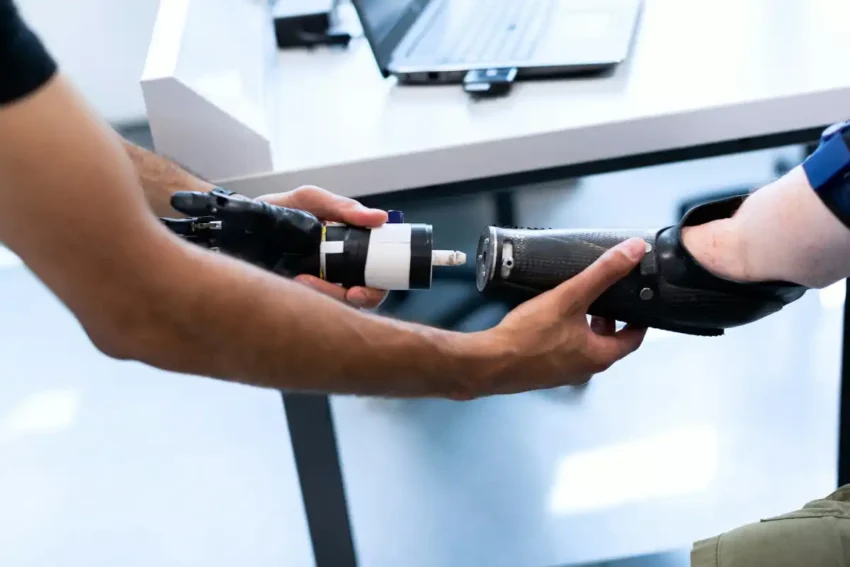
Artificial limbs consist of several main parts that work together. The pylon provides the structural strength needed to support body weight. Manufacturers use titanium or aluminum to keep the weight low. The metal rod mimics the function of a human bone and stays hidden beneath a cosmetic cover in many models.
Connectors link the different sections together. The parts allow the prosthetist to align the limb correctly. Proper alignment helps a person walk without tripping or feeling off balance. A small shift in angle can change how the foot hits the ground.
Suspension Systems And Socket Fit
A secure connection between the limb and the body is critical for comfort. The recovery process after losing a limb requires patience and support. Reading a modern prosthetics guide helps patients understand the various stages of fitting and rehabilitation. Every person has unique needs when selecting their new equipment.
The socket is the custom-molded piece that fits over the residual limb and must distribute pressure evenly across the skin. Suction or vacuum systems hold the device in place during movement. Liners made of silicone or gel provide a cushion between the skin and the hard plastic. The soft layer protects the area and keeps the limb attached firmly.
The Rise Of Smart Microprocessor Technology
Older models relied on mechanical hinges and springs to move. Modern versions use sensors to detect changes in speed and terrain. Microprocessor-controlled devices made up about 42.6% of the technology market. High-tech joints process environmental data instantly and can stiffen or loosen depending on whether a person is walking or standing.
Electricity lets the limb assist the user in climbing stairs or walking on grass. Users plug their limbs into a wall outlet at night to recharge. Batteries power these small computers for an entire day of use. Smart knees prevent the leg from buckling on uneven ground and adapt to the way a person walks.
Growth And Investment In The Prosthetics Field
More companies are investing money into researching lighter and stronger materials. Innovation happens faster when there is financial backing. A recent market study estimated the global value of this industry at $6.56 billion in 2024. Projections suggest the market could reach $8.48 billion by 2030.
Increased spending means more people get access to better care. Better manufacturing techniques lower the cost of basic limbs. Funding supports the development of specific designs for athletes. Special feet allow runners to reach high speeds on the track.
Sensory Feedback And Neural Control
Some high-tech feet allow users to control movement with their thoughts. Brain signals travel down the nerves to the end of the limb. Users can rotate and flex their feet at speeds 41% faster than older models: the speed comes from the direct link between the person and the machine. Sensors on the skin pick up muscle twitches to move the foot.
Electrical technology uses small pulses to send messages back to the brain. A user might feel pressure when their artificial foot touches the floor. Advanced sensors improve the experience for the user. The connection between the mind and the device grows stronger.
Materials Used In Modern Manufacturing
Weight is a major factor when designing a limb that is easy to wear all day. Engineers pick materials that offer durability without being too heavy. Heavy limbs cause fatigue and muscle strain. Common materials include:
- Titanium for joint components
- Aluminum for pylons and connectors
- Silicone for soft liners
- Carbon fiber for foot plates
Carbon fiber is a popular choice for its strength and flexibility. Plastics and resins create a comfortable fit for the socket area. Smart material choices allow the limb to withstand daily stress.
Life With A Functional Prosthesis
Users learn how to shift their weight and trust the mechanical parts. Training the brain to use the new limb is hard work. Regular check-ups with a prosthetist keep the device in top shape. Small adjustments to the fit make a huge difference in daily comfort.
Most people find they can return to work and hobbies with the right setup. Support groups provide a place to share tips and success stories. Success depends on a mix of good technology and a positive attitude.
Advances in engineering continue to bridge the gap between human and machine. Every year brings new improvements in how these devices feel and function. Seeing the progress in this field gives hope to millions of people. Technology turns a difficult loss into an opportunity for a new beginning.