How Professional Plumbers Prevent Costly Water Damage
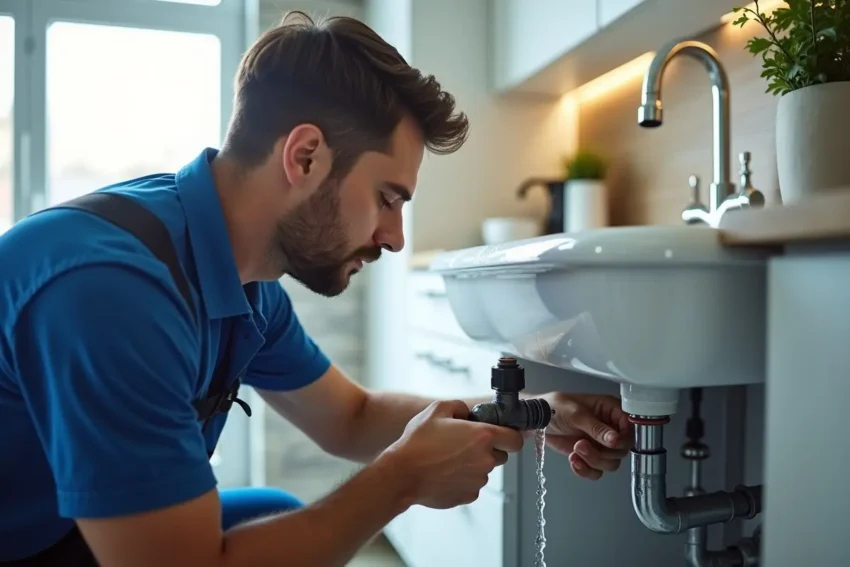
Professional plumbers prevent expensive water damage through proactive inspections, advanced diagnostic tools, and strategic maintenance routines. They identify hidden vulnerabilities before they escalate – checking pipe integrity, monitoring water pressure fluctuations, and ensuring proper drainage around foundations.
By addressing minor issues like worn seals or slow drips early, they avoid catastrophic failures that could destroy drywall, flooring, and structural elements. This preventative approach saves homeowners thousands in repairs while protecting their property’s long-term value and safety.
Contents
Introduction
Picture this: you wake to the faint smell of dampness. By afternoon, a bulge appears on your ceiling. Within hours, that small anomaly becomes a full-blown disaster – warped hardwood, ruined drywall, and mould beginning to colonize your living space. Water damage rarely announces itself dramatically; it creeps in silently, compounding with every passing minute until restoration costs spiral beyond simple pipe repairs.
This is precisely why many Canadian homeowners partner with reliable local experts like Quicker Rooter services for routine system evaluations. Unlike reactive fixes after disaster strikes, professional plumbers focus on identifying risks before moisture ever touches your walls. They understand how our climate – with its deep freezes and rapid thaws – stresses plumbing infrastructure in ways warmer regions never experience.
Prevention isn’t about avoiding leaks entirely; it’s about catching them when they’re still manageable. The difference between a $150 repair and a $15,000 restoration often comes down to one thorough inspection. In the sections ahead, we’ll explore exactly how skilled tradespeople build layered defences into your home’s water systems – turning potential catastrophes into non-events.
Core Strategies Professional Plumbers Use to Stop Water Damage Before It Starts
Preventing water damage isn’t about luck – it’s a systematic approach built on experience, the right tools, and understanding how water behaves in Canadian homes. Skilled plumbers deploy layered defences that address both obvious vulnerabilities and hidden risks most homeowners never consider.
Advanced Diagnostic Tools for Hidden Threats
Modern plumbers go far beyond visual inspections. They deploy technologies that reveal problems behind walls and under slabs long before moisture surfaces:
- Thermal imaging cameras detect temperature differentials caused by hidden moisture accumulation
- Acoustic leak detectors pinpoint pinhole leaks in pressurized lines by listening for subtle vibrations
- Video pipe inspection scopes navigate drain lines to identify root intrusion, cracks, or bellied sections
- Moisture meters measure humidity levels in building materials to catch early saturation
These tools transform guesswork into precision. A plumber might discover a slow leak inside a wall cavity during a routine inspection – repairing a $75 fitting before it causes $8,000 in drywall and mould remediation.
Climate-Specific Protection for Canadian Homes
Canada’s freeze-thaw cycles create unique plumbing stresses that demand specialized prevention tactics:
| Vulnerability | Prevention Technique | Why It Matters in Canada |
| Exterior hose bibbs | Install frost-free sillcocks with shut-off valves inside heated space | Prevents pipe bursts when residual water freezes during sudden cold snaps |
| Basement foundation drains | Annual cleaning of weeping tile systems | Stops hydrostatic pressure buildup during spring thaw or heavy rains |
| Attic plumbing lines | Insulate pipes + seal air leaks near roof penetrations | Avoids freezing in unheated spaces during -30°C winter nights |
| Sump pump systems | Install battery backups + quarterly testing | Ensures operation during power outages common in winter storms |
Pressure Management as a Preventative Measure
Excessive water pressure silently damages pipes, joints, and appliance valves over time. Many Canadian municipal systems deliver 80+ PSI, while residential plumbing is designed for 40–60 PSI. Professional plumbers:
- Test static and dynamic pressure at multiple fixtures
- Install or adjust pressure-reducing valves where needed
- Recommend expansion tanks for closed systems with thermal expansion
- Monitor for pressure spikes after municipal main repairs
This proactive tuning prevents cumulative stress fractures that eventually lead to sudden failures – often while homeowners are away during winter vacations or summer trips.
Water damage prevention ultimately hinges on shifting from reactive repairs to scheduled system stewardship. By treating plumbing as a living system requiring maintenance – not just something that gets fixed when broken – professionals intercept disasters at their earliest, most affordable stage.
Practical Steps Homeowners Can Take Between Professional Visits
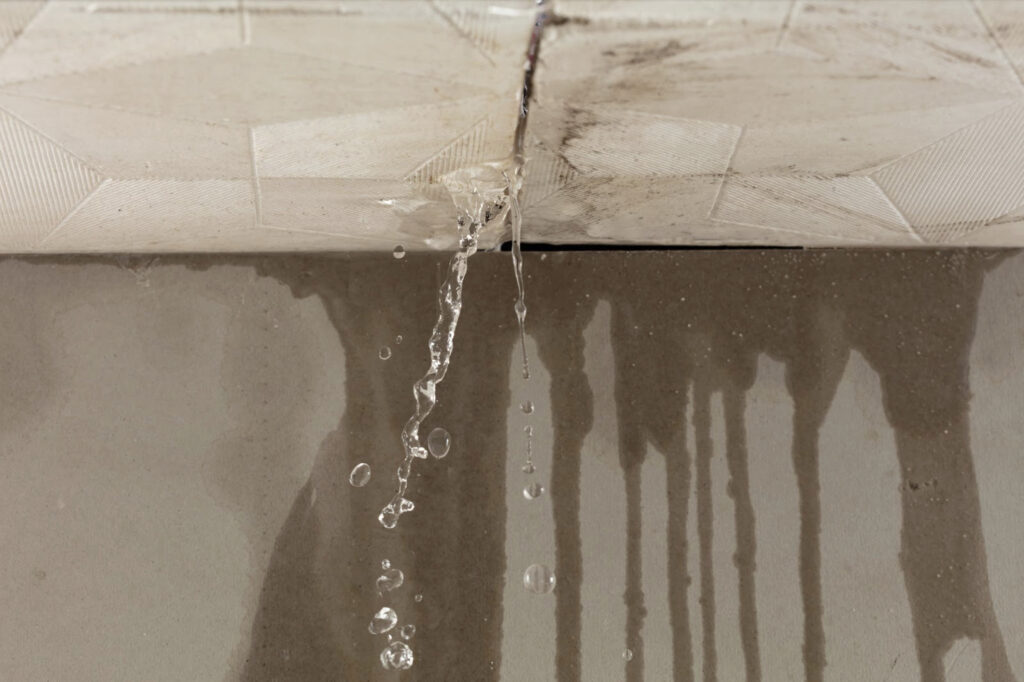
Even with expert support, your daily habits significantly influence your home’s resilience against water-related incidents. These actionable practices bridge the gap between annual inspections and unexpected emergencies – giving you control without requiring specialized tools or training.
Seasonal Maintenance Checklist for Canadian Climates
Timing matters as much as the task itself. Align these checks with our distinct seasonal shifts:
- Early fall: Disconnect and drain outdoor hoses; shut off interior valves supplying exterior taps; inspect attic insulation around plumbing penetrations before deep cold arrives
- Mid-winter: During extended absences, set thermostats no lower than 13°C and open cabinet doors under sinks on exterior walls to allow warm air circulation
- Spring thaw: Check basement walls and floors for new damp spots after snowmelt; test sump pumps by pouring water into the pit to trigger activation
- Late summer: Examine roof flashing around plumbing vents after storm season; clean gutters to prevent water backup against foundation walls
These small, timed interventions address vulnerabilities unique to our climate cycles – preventing issues that generic year-round advice often misses.
Recognizing Early Warning Signs Most People Ignore
Water damage rarely begins with a gushing pipe. Train yourself to notice subtle indicators:
- A persistent musty odour near laundry hookups or under sinks (often mistaken for general dampness)
- Unexplained spikes in water meter readings when all fixtures are off
- Discoloured patches on ceilings directly below second-floor bathrooms
- Warped cabinet bases beneath sinks – especially if surfaces feel dry to touch
- Faint hissing sounds near toilets after flushing (indicates silent leaks wasting hundreds of litres weekly)
Documenting these observations with photos and dates helps professionals diagnose issues faster when you schedule leak detection services.
Building a Home Water Emergency Kit
Preparation reduces panic and minimizes damage during unexpected incidents. Keep these items accessible:
| Item | Purpose | Storage Location |
| Main water shut-off wrench | Quickly stops flow during major leaks | Near shut-off valve or in utility closet |
| Silicone tape (self-fusing) | Temporary pipe repair until help arrives | Toolbox or under-sink kit |
| Moisture-absorbing crystals | Contains small spills on hard surfaces | Laundry room or basement storage |
| Flashlight with fresh batteries | Safe inspection during power outages | Easily reachable spot near exits |
Having these ready transforms a stressful situation into a manageable one – buying critical time before an emergency plumbing response arrives.
Final Thoughts: Prevention Pays Dividends Long Before Disaster Strikes
The true value of proactive plumbing care reveals itself not in dramatic rescues, but in disasters that never happen. While no system is entirely immune to failure, the homes that avoid catastrophic water damage share one trait: their owners treat plumbing as infrastructure requiring attention – not just something that gets fixed when it breaks. This mindset shift transforms water management from a series of stressful emergencies into quiet, consistent stewardship.
Investing in thoughtful residential plumbing solutions today creates compounding benefits: preserved structural integrity, uninterrupted daily life, and the confidence that comes from knowing your home’s hidden systems are sound. In a country where weather extremes test our homes relentlessly, that peace of mind isn’t a luxury – it’s practical home ownership.