The Power of Minimalism in Restaurant Interiors
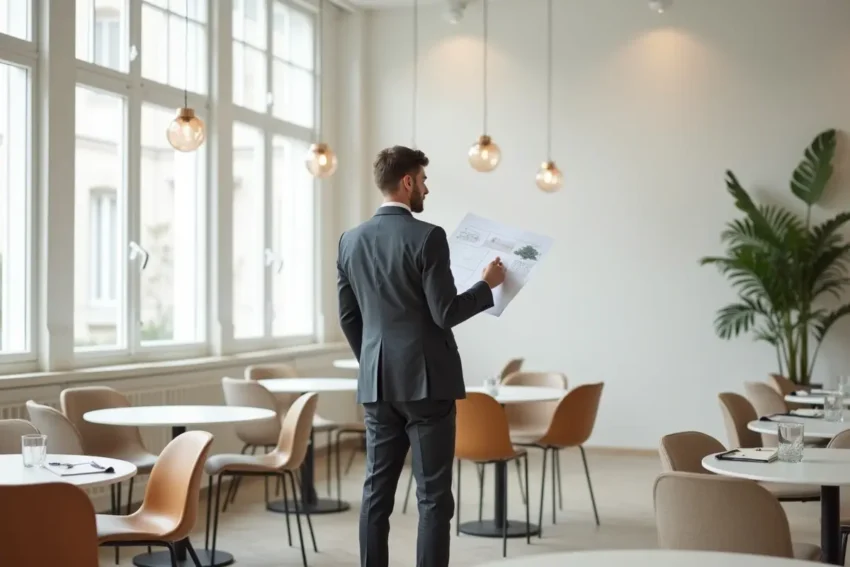
Minimalism is not just a design trend. It is becoming the new standard in modern restaurants. Clean lines, open space, and purposeful details create a calm, inviting atmosphere the moment guests walk in. Today’s diners want more than good food; they want an experience that feels thoughtful and uncluttered.
Minimalism brings together functionality and beauty, removing distractions so the focus stays on the meal and the people around the table. In a world that is always rushing, a minimalist restaurant provides something rare: space to breathe, connect, and fully enjoy the dining experience.
Contents
- 1 Minimalist Tabletop Design: The Role of Cutlery Holders
- 2 Creating Calm and Clarity Through Clean Lines + Open Space
- 3 Choosing Materials and Colour Palettes That Support Minimalism
- 4 Lighting: The Quiet Hero of Minimalist Design
- 5 Furniture + Décor: Less, but Better
- 6 Minimalism Makes the Experience Matter
Minimalist Tabletop Design: The Role of Cutlery Holders
Minimalist tabletop design focuses on creating a clean, intentional space that feels effortless. Cutlery plays a bigger role than most people realize. Simple, well-designed cutlery holders instantly reduce clutter, making the table look organized without trying too hard.
Instead of scattered utensils or bulky containers, minimalist pieces give the table a calm, polished feel that guests notice immediately. This is where cutlery holders for restaurants become a quiet but powerful design choice.
Materials matter as well. Wood, brushed metal, matte finishes, and neutral tones blend seamlessly into a minimalist aesthetic. These textures add warmth and style without overwhelming the table. Beyond looks, they help your team work faster. Resets are quicker, placements stay consistent, and there is less visual noise to manage during busy service.
Even subtle tabletop details can reinforce brand identity. A sleek metal holder conveys modern sophistication, whereas a simple wooden design evokes warmth and authenticity. Minimalist cutlery solutions do not shout for attention, but they elevate the entire experience. They show intention, care, and a commitment to thoughtful design, which today’s diners truly appreciate.
Creating Calm and Clarity Through Clean Lines + Open Space
Walking into a restaurant with clean lines and open space instantly makes diners feel more relaxed and less overwhelmed. When furniture is spaced out and décor is minimal, the spaciousness quiets the mind, allowing people to focus on their food, their company, and the moment itself.
Minimalist environments are more than just visually appealing. Research indicates that simpler, clutter-free interiors can reduce stress, improve comfort, and enhance perceived quality.
Design tweaks can make a big difference. Remove bulky décor, choose neutral colors, use soft lighting, and allow enough breathing room between tables. Even subtle choices, like a clean wall, uncluttered surfaces, and clear sightlines, help reduce visual noise and make space feel intentional.
Minimalism also encourages flexibility in layout. Open spaces allow restaurants to adapt quickly for different group sizes, special events, or seasonal changes in decor, enhancing both efficiency and guest experience.
In short, a minimal, open design is not about empty emptiness. It is about creating calm, clarity, and comfort. It is a space where diners can settle in, relax, and truly savor the experience.
Choosing Materials and Colour Palettes That Support Minimalism
When embracing minimalism, the materials and colors you select set the mood. Natural materials such as wood, stone, concrete, or stainless steel bring warmth, texture, and timelessness, which are ideal for spaces meant to feel grounded and calm.
For color palettes, lighter neutrals such as soft whites, grays, taupes, or earth tones create a sense of airiness and simplicity. These muted shades make rooms feel larger, cleaner, and more peaceful.
When paired well, natural materials and neutral colors control the atmosphere. They make a space feel welcoming, uncluttered, and intentionally designed. Whether designing a restaurant or a cozy café corner, this combination helps every element stand out, from furniture to lighting, without overwhelming the senses. Minimalism becomes not just a look, but a feeling.
Lighting: The Quiet Hero of Minimalist Design
Lighting is not just about seeing. It influences how guests feel when they enter a space. In minimalist design, soft, warm, or indirect lighting is highly effective. A few well-placed lights can transform a room into something calm and welcoming without overpowering the décor’s simplicity.
Fewer, carefully positioned lights allow shadows and space to breathe. That clarity makes the room feel larger, airier, and more intentional.
Gentle, deliberate lighting anchors the mood. Minimal visual noise. Quiet focus. Guests relax, food looks more inviting, and every detail, from table settings to architecture, stands out on its own. In a minimalist restaurant, lighting does not compete with anything. It guides, frames, and sets the tone.
Furniture + Décor: Less, but Better
Minimalist furniture and décor means choosing pieces that are functional and visually light. Nothing should be bulky or ornate. Chairs and tables should have clean lines, simple shapes, and materials that do not scream for attention.
The trick is to avoid over-accessorizing. Instead of filling every corner with knick-knacks, select a few well-chosen items, such as a textured pendant light, a simple vase, or a piece of wall art. This way, décor adds personality without cluttering the space.
Texture becomes the star. Natural materials such as wood, linen, stone, or metal add subtle depth and warmth without sacrificing the clean look.
Thoughtful furniture placement also encourages natural traffic flow. By arranging pieces intentionally, restaurants can prevent crowding, create intimate seating areas, and improve the overall dining rhythm, enhancing comfort for both guests and staff.
With minimalist furniture and décor, every piece has a purpose, and nothing gets in the way of the dining experience. The result is a space that feels intentional, calm, and timeless, where comfort and style go hand in hand.
Minimalism Makes the Experience Matter
Minimalist design is not about having less. It is about creating more impact with every detail. When spaces are clean, calm, and intentional, diners notice it. From lighting to layout to the smallest tabletop choices, minimalism lets the food, the atmosphere, and the connections between people truly shine.