Hidden Plumbing Issues That Impact Home Design and Property Value
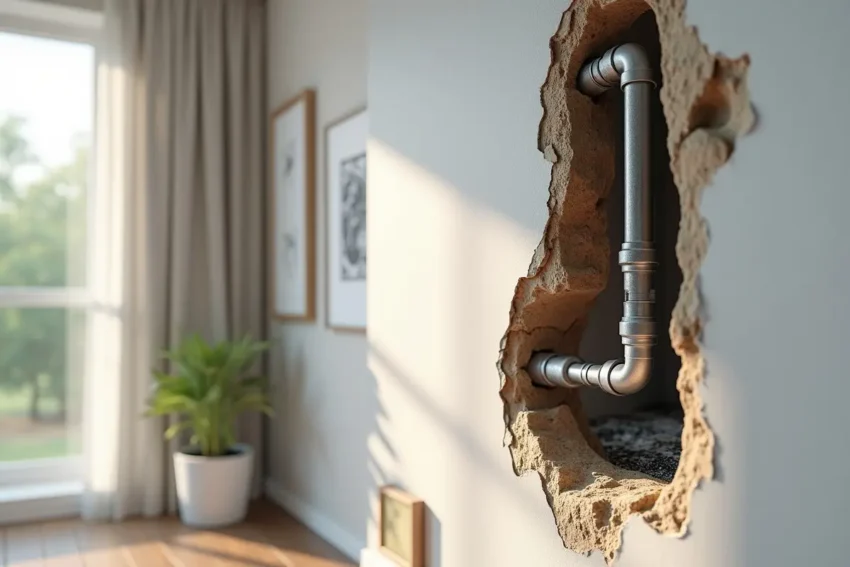
Modern home design often focuses on aesthetics, functionality, and comfort. Open floor plans, natural lighting, and minimalist interiors dominate today’s residential trends. However, behind every visually appealing home lies an infrastructure that directly affects how long these design choices can last. One of the most overlooked components in residential design and real estate value is the plumbing system.
Contents
- 1 Why Plumbing Matters Beyond Functionality
- 2 The Role of Plumbing in Real Estate Valuation
- 3 Design Choices That Depend on Infrastructure
- 4 Common Plumbing Problems Found in Older Homes
- 5 Water Pressure and Its Impact on Daily Comfort
- 6 Preventive Maintenance as Part of Smart Home Planning
- 7 Designing Homes That Last
Why Plumbing Matters Beyond Functionality
Plumbing issues rarely start as visible problems. In many homes, they develop quietly behind walls, under flooring, or beneath foundations. Small leaks, aging pipes, or outdated materials can gradually compromise not only the structure of a house but also its interior design. Warped flooring, damaged cabinetry, wall discoloration, and persistent moisture often stem from unresolved plumbing concerns rather than surface-level design flaws.
The Role of Plumbing in Real Estate Valuation
From a real estate perspective, plumbing health plays a critical role in property valuation. Buyers may initially be drawn to a beautifully staged home, but inspection reports frequently reveal hidden issues that affect final pricing or delay transactions. Even minor plumbing deficiencies can raise red flags, increasing negotiation pressure or leading to costly repair requests before closing.
Design Choices That Depend on Infrastructure
Design professionals and homeowners alike are increasingly recognizing the importance of integrating maintenance planning into design decisions. Choosing moisture-resistant materials, ensuring proper drainage, and allowing access points for future repairs are now considered best practices rather than optional upgrades. Thoughtful coordination between design and infrastructure helps preserve both visual appeal and long-term usability.
Common Plumbing Problems Found in Older Homes
One common challenge in older homes is pipe corrosion. Over time, metal pipes deteriorate, leading to reduced water pressure and increased risk of leaks. These issues often surface after renovations, when walls are opened or fixtures are replaced. Without addressing the underlying plumbing system, even the most carefully executed redesign may face premature wear.
Water Pressure and Its Impact on Daily Comfort
Another frequently underestimated issue is improper water pressure regulation. Excessively high pressure can strain fixtures and connections, increasing the likelihood of leaks behind finished surfaces. Conversely, low pressure affects daily functionality and reduces overall living comfort. Both scenarios influence how occupants perceive the quality of a home, regardless of its design sophistication.
Preventive Maintenance as Part of Smart Home Planning
Preventive inspections and timely maintenance help bridge the gap between form and function. Homeowners planning renovations or preparing properties for sale benefit from evaluating plumbing systems early in the process. This proactive approach minimizes unexpected setbacks and protects investments made in interior upgrades.
For those seeking deeper insight into residential plumbing considerations and professional solutions, you can view more information related to plumbing services that support long-term home performance.
Designing Homes That Last
Ultimately, successful home design is not limited to what is visible. The systems that operate behind the scenes shape durability, comfort, and value. By acknowledging the relationship between plumbing infrastructure and design integrity, homeowners and professionals can make informed decisions that enhance both aesthetics and functionality for years to come.