Safe and Effective Pest Management Methods for Every Home
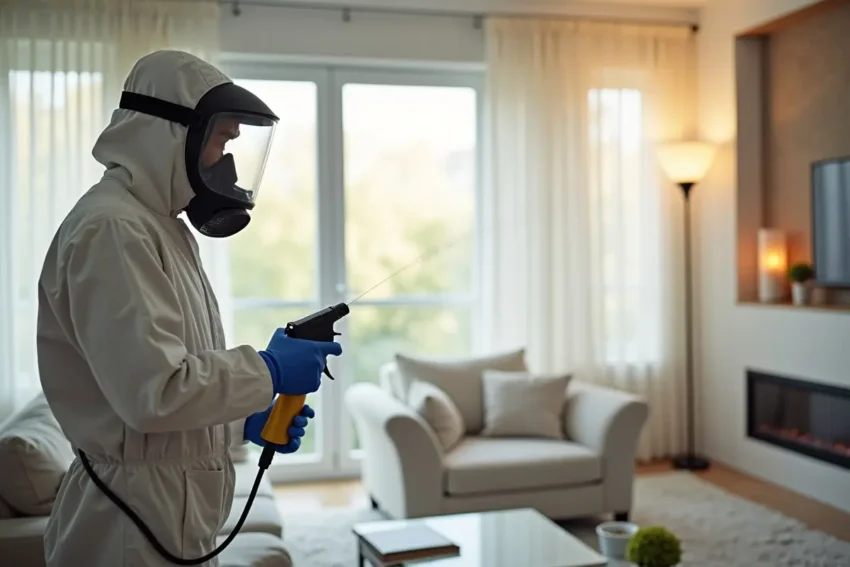
Keeping your home free from pest is vital for both well-being and peace of mind. Homeowners seeking practical solutions can explore a combination of proven approaches to effectively manage pests. For those interested in learning about sustainable approaches to pest control, many safe strategies minimize risks to families and the environment.
Modern pest management emphasizes prevention and ongoing monitoring to avoid infestations and reduce the need for chemical treatments. By adopting integrated, eco-friendly strategies, every homeowner can enjoy a more comfortable, healthier living space.
Along with prevention, professional pest inspection services can play a crucial role in early detection and management, protecting homes from costly infestations before they become significant issues.
Contents
Understanding Integrated Pest Management (IPM)
At the core of safe pest control is Integrated Pest Management (IPM), a sustainable, science-based approach that balances prevention, monitoring, and selective intervention. IPM reduces the need for harmful chemicals by focusing first on blocking pests’ access, eliminating their food and water sources, and using physical or biological controls.
According to the U.S. Environmental Protection Agency, IPM combines practical strategies such as habitat modification, the use of resistant plant varieties, and targeted biological interventions. By relying on these non-chemical methods, families can address both indoor and outdoor pest problems more safely.
Regular Home Inspections
Early detection is a cornerstone of effective pest management. Homeowners are encouraged to regularly check areas around doors, windows, basements, and crawl spaces for signs of pests or small openings. Look for cracks and gaps, gnaw marks, droppings, or insect wings, especially near entry points and areas where food is stored. Spotting the first indicators of infestation allows for quick, targeted action, often preventing larger problems before they take hold.
Maintaining Cleanliness and Sanitation
Cleanliness is essential to keeping a home uninviting to pests. Kitchens, pantries, and dining areas should be cleaned frequently to remove crumbs, food scraps, and standing water. Trash should be securely covered, and recyclables rinsed thoroughly before storage. Minimizing clutter in storage areas and regularly emptying garbage bins further decreases opportunities for pests to thrive. The Centers for Disease Control and Prevention (CDC) highlights sanitation as a key factor in pest prevention, particularly in food-preparation areas.
Sealing Entry Points
Excluding pests from the home is often as simple as locating and sealing gaps in the building envelope. Common entry points include cracks in the foundation, gaps around utility lines, or poorly sealed windows. Materials like silicone caulk, weatherstripping, and steel wool are excellent choices for filling in these areas. Window and door screens should be repaired or replaced as needed to keep tiny invaders outside. Consistent maintenance not only prevents immediate infestations but also improves the home’s overall energy efficiency.
Utilizing Natural Repellents
Many natural remedies can deter pests and greatly reduce the need for chemical insecticides. Essential oils such as peppermint, citronella, and eucalyptus are known to repel insects, including ants, spiders, and mosquitoes. A few drops of peppermint oil on cotton balls, placed near entryways, can discourage crawling insects. Outdoor landscaping can also play a role: herbs and plants such as lavender, basil, and rosemary planted near windows and doors offer a fragrant, natural barrier. Sources like Healthline cover using plants and oils for pest prevention, highlighting practical, safe methods for keeping common pests at bay.
Implementing Physical Barriers and Traps
Physical controls can be highly effective. Door sweeps, mesh screens, and caulking block common entry points without chemicals. Simple traps, such as sticky strips for insects or mechanical traps for rodents, provide focused treatment for existing problems. These options are typically low-risk to humans and pets and, when monitored closely, can help prevent pest populations from returning.
Proper Use of Pesticides
Occasionally, chemical pesticides may be necessary for certain stubborn infestations. Homeowners should select products registered with the U.S. EPA, strictly adhere to label instructions, and apply treatments only in affected areas. Responsible pesticide use is critical to limit exposure risks to children and pets, and to ensure long-term environmental safety. Guidance from resources like the New York Times provides solid advice on safe application and common-sense restrictions for household pesticide use.
Conclusion
By integrating simple preventive practices, regular maintenance, and natural barriers, homeowners can greatly reduce pest problems without relying solely on chemicals. Thoughtful strategies such as IPM, careful cleaning, and secure sealing protect both the home and the people inside. For added peace of mind, seeking professional assessments or treatments ensures that any pest challenge is managed thoroughly and safely.