How Permanent Foundations Transform Post-Frame Construction
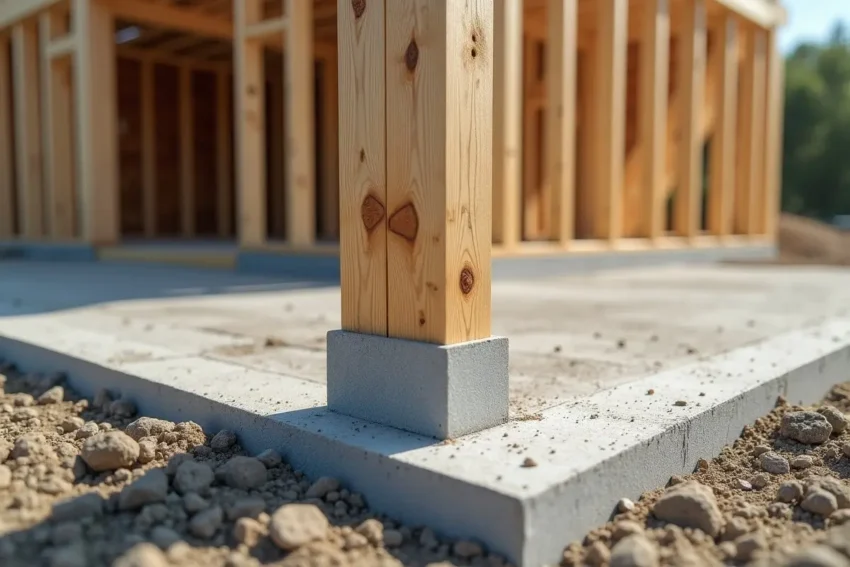
Post-frame construction remains a popular choice for agricultural, commercial, and residential projects due to its affordability and flexibility. As building owners demand greater longevity and safety from their investments, the evolution of foundation systems is emerging as a cornerstone of modern construction. The move toward Post Frame Building Foundations marks a pivotal step for the post-frame industry, introducing strength, durability, and enhanced environmental value from the ground up.
Historically, the standard approach involved securing wooden posts directly in the ground, which exposed the wood to moisture and pests. As awareness of these vulnerabilities grew, builders and property owners began to seek more innovative alternatives. Permanent foundation solutions align with this shift, offering both protection and improved building performance for all types of post-frame structures.
Contents
The Shift to Permanent Foundations
Traditional post-frame building techniques faced persistent challenges. When wood is placed directly in contact with soil, even pressure-treated lumber can eventually deteriorate. Persistent exposure to groundwater, fluctuating soil conditions, and insect activity steadily erode the base of such buildings, leading to costly repairs and even structural failures over time. In response, manufacturers designed permanent foundation systems, such as precast concrete columns, to thoroughly separate the wood from direct ground contact. This innovation neutralizes the most common causes of premature post-failure.
Permanent foundations, especially precast columns or piers, are increasingly being integrated into modern post-frame construction as their reliability is recognized. By blending time-tested post-frame architecture with high-strength foundation supports, builders can now provide their clients with greater peace of mind and lower long-term costs. According to the Houston Chronicle, modern building techniques that prioritize durable and environmentally friendly materials are reshaping the construction landscape at all levels.
Enhanced Durability and Strength
One of the standout benefits of permanent foundations is their exceptional durability. Engineered concrete, for example, offers resilience against shifting soils, freeze-thaw cycles, and wind loads. Unlike wood, which can move or decompose over time, reinforced concrete columns provide a long-lasting anchor for the superstructure. Many systems, such as precast columns, are tested to withstand forces up to three times greater than standard concrete alone. These performance metrics assure building owners of remarkable strength and stability, even in demanding environments.
Environmental and Economic Benefits
The reduced need for chemical treatment on wooden components means less potential contamination of surrounding soils and groundwater. This positions permanent foundations as a compelling choice for those prioritizing sustainability. Precast concrete options, often made with locally sourced materials, align with environmentally responsible principles and contribute to green building certifications.
Over time, the resilience of permanent foundations also represents a cost-saving measure, eliminating repeated repairs, post replacements, and associated labor costs throughout the building’s lifespan. As highlighted by the Houston Chronicle, sustainable construction practices benefit not only the planet but also a project’s bottom line.
Seamless Integration with Existing Techniques
Concerns about complicated installation are minimal. Modern permanent foundation systems are engineered to be compatible with standard post-frame designs, making them straightforward for builders to adopt. Many solutions come prefabricated with pre-drilled fastening points, meaning there is no need for specialized skills, heavy equipment, or significant adjustments. Construction timelines remain on track, and the learning curve for crews is minimal. This approach ensures builders can offer upgraded services to their clients with minimal disruption to their operations.
Industry Adoption and Certification
As the market for permanent foundations grows, so does recognition from national regulatory agencies. Products like Perma-Column® have earned certification from the International Code Council (ICC), demonstrating compliance with rigorous safety and building code requirements. Such certifications provide peace of mind for builders, code officials, and property owners alike, enabling faster permitting and reducing concerns related to future inspections or appraisals. The movement toward certified, lasting solutions signals a new benchmark in post-frame construction quality and reliability.
Real-World Applications
Builders in agricultural, commercial, and residential construction are increasingly adopting permanent foundation technologies to deliver superior results and exceed client expectations. By prioritizing engineered foundation solutions, companies like FF Buildings demonstrate a commitment to long-term structural integrity and innovation in construction.
These advanced foundation systems provide enhanced strength and stability, reducing the likelihood of future repairs or maintenance issues. As a result, property owners benefit from more durable structures that stand the test of time, lower lifecycle costs, and increased overall value. Embracing these technologies reflects a forward-thinking approach that combines quality, efficiency, and client satisfaction.
Conclusion
The shift toward permanent foundations marks a significant milestone in the evolution of the post-frame building industry. Traditional wood-in-ground methods often face challenges such as rot, instability, and limited lifespan. Still, permanent foundation systems overcome these vulnerabilities by providing enhanced structural strength and long-term reliability.
These foundations not only support heavier loads and improve building performance but also promote environmental responsibility by reducing maintenance and material waste. Whether applied to new construction or retrofitting existing structures, embracing advanced foundation technologies ensures that post-frame buildings achieve modern standards of durability, energy efficiency, and sustainability, meeting the expectations of today’s building owners.