Top Hazardous Waste Removal Companies & Best Practices for Safe Disposal
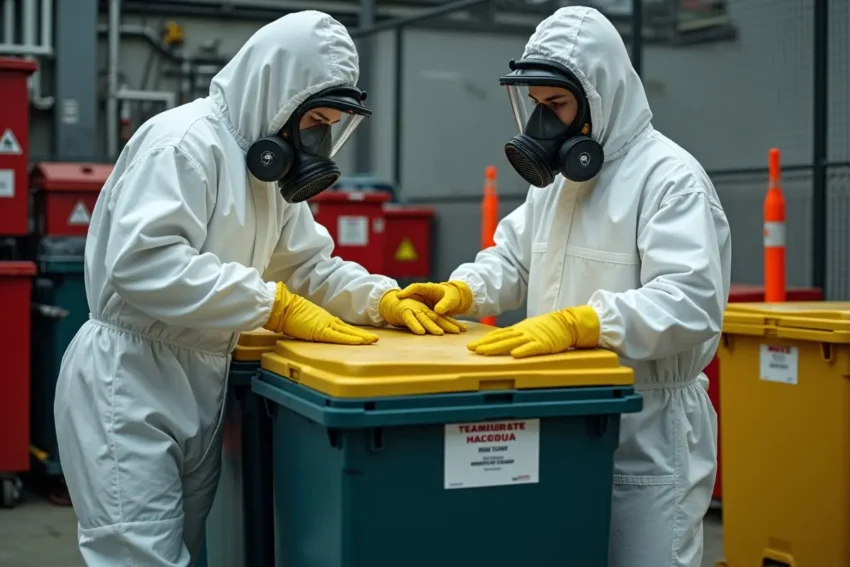
Hazardous waste poses a complex challenge for industries worldwide. Improper handling and disposal can lead to severe environmental damage, safety risks, and significant legal and financial penalties. Navigating the strict regulations and technical requirements involved in hazardous materials management is crucial for any business that generates such waste.
This extensive guide explores the critical role of specialized companies in safely managing and removing hazardous materials. It will delve into the various types of waste handled, the essential services provided, and the stringent regulations that govern the industry. Understanding these aspects helps organizations ensure compliance and protect both people and the planet.
Readers will learn about advanced treatment technologies, the implications of improper disposal, and how to strategically select a reputable removal and disposal partner. We will also cover emergency response protocols and address common questions regarding hazardous waste management.
The movement of hazardous materials is a critical component of numerous industrial operations, including manufacturing and healthcare, as well as energy production and research. Effective hazardous materials logistics ensures that these substances, which may include liquid waste, solid residues, sludge, or gas cylinder transport, are transported safely, securely, and in strict compliance with regulatory frameworks. This specialized field extends beyond simple transportation, encompassing careful planning, risk assessment, and the deployment of advanced technologies to maintain supply chain integrity.
Modern industries rely on a sophisticated network of transportation modes, including intermodal shipping containers for chemical transport, rail logistics for bulk quantities, maritime shipping for international movements, and truck-to-rail trans-loading for optimized efficiency. Each mode presents unique challenges and requires specific protocols to prevent incidents and protect public health and the environment. The goal is to move hazardous materials from their point of generation to treatment, storage, or disposal facilities without incident, minimizing exposure and environmental impact.
Understanding the broader context of waste, even at the household level, can illuminate the universal need for careful handling. For those seeking general information on managing household hazardous waste, a helpful resource guides everyday household items that require special disposal. This underscores that dangerous materials management is a concern across all sectors, from large industries to individual households.
Contents
- 0.1 Optimizing Hazardous Materials Logistics for Global Supply Chains
- 0.2 Safety Protocols within Hazardous Materials Logistics
- 1 Regulatory Frameworks and Compliance Standards
- 2 Advanced Technologies in Waste Treatment and Sustainability
- 3 Strategic Selection of Removal and Disposal Partners
- 4 Emergency Response and Risk Mitigation
- 5 Frequently Asked Questions about Hazardous Waste Management
- 6 Conclusion
Optimizing Hazardous Materials Logistics for Global Supply Chains
Optimizing hazardous materials logistics involves a multifaceted approach focused on efficiency, safety, and compliance across global supply chains. Companies specializing in this area manage diverse waste streams, from bulk waste generated by extensive industrial processes to smaller quantities handled through precise drum scheduling and container management. They deploy a specialized fleet of vehicles and equipment, designed to transport materials in various forms and safe amounts.
Effective logistics coordination is paramount. This includes meticulous route planning, adherence to strict timelines, and continuous monitoring of shipments. The objective is to reduce transit times, minimize handling points, and ensure that hazardous materials reach their destination without delay or compromise.
Service providers often offer customized pick-up schedules and online waste profiling tools, streamlining the process for generators and providing transparency throughout the waste management lifecycle. This level of optimization not only enhances operational efficiency but also significantly reduces the environmental footprint and potential risks associated with hazardous material transport.
Safety Protocols within Hazardous Materials Logistics
Safety is the cornerstone of hazardous materials logistics. Companies involved in this sector adhere to stringent safety protocols to protect their employees, the public, and the environment. This begins with comprehensive employee accreditation and training, ensuring that all personnel handling hazardous materials are equipped with the necessary knowledge and skills. Personal Protective Equipment (PPE) requirements are strictly enforced, tailored to the specific hazards of the materials being handled.
Risk reduction strategies are continuously evaluated and implemented, with a focus on preventive measures such as spill prevention and robust fire safety plans. Specialized vehicles are regularly inspected and maintained to meet or exceed safety standards. In the event of an incident, rapid response protocols are in place to contain and mitigate any potential damage.
Selecting a transportation partner is critical, and verifying their credentials is a key step to ensuring safety. For instance, a list of permitted transporters can help businesses identify licensed entities authorized to handle and transport hazardous waste, providing an essential layer of assurance regarding safety and compliance. These rigorous safety measures are not merely regulatory obligations but fundamental practices that underpin the entire hazardous materials logistics industry.
Regulatory Frameworks and Compliance Standards
The landscape of hazardous waste management is defined by a complex web of regulatory frameworks and compliance standards, primarily designed to protect human health and the environment. In the United States, the Resource Conservation and Recovery Act (RCRA) sets the national standard for the management of hazardous waste from “cradle to grave.” This includes detailed requirements for hazardous waste identification, generation, transportation, treatment, storage, and disposal.
Beyond RCRA, the Department of Transportation (DOT) mandates specific requirements for the safe transportation of hazardous materials, covering packaging, labeling, placarding, and driver training. The Toxic Substances Control Act (TSCA) addresses the production, importation, use, and disposal of specific chemical substances, notably polychlorinated biphenyls (PCBs). Companies operating in this space must also obtain an EPA ID number, which identifies them as participants in the hazardous waste management system.
A critical tool for tracking hazardous waste shipments is the uniform hazardous waste manifest. This multi-part form accompanies dangerous waste from generation to its final destination, ensuring accountability and transparency. The federal e-Manifest system has modernized this process by enabling electronic tracking and reporting, enhancing efficiency and data accuracy. Generators, transporters, and treatment, storage, and disposal facilities (TSDFs) utilize online portals, such as the RCRAInfo portal, to submit and manage manifests electronically.
Compliance also involves understanding state-specific regulations, which can often be more stringent than federal requirements. Generators are categorized based on the quantity of hazardous waste they produce (Small Quantity Generators (SQG) vs. Large Quantity Generators (LQG)), with different compliance obligations for each.
Maintaining comprehensive recordkeeping mandates is essential, as is proper exception reporting for any discrepancies in manifest tracking. Navigating these intricate regulations requires specialized expertise in hazardous materials management, often provided by experienced environmental service companies that can help ensure businesses meet all legal requirements and minimize their liability.
Implications of Improper Disposal and Non-Compliance
The implications of improper hazardous waste disposal and non-compliance with regulatory standards are severe and far-reaching. Environmentally, it can lead to widespread contamination of soil, water, and air, posing direct threats to ecosystems, wildlife, and human health. Contaminants can leach into groundwater, pollute surface waters, and release toxic fumes into the atmosphere, creating long-term environmental damage that is costly and difficult to reverse.
Legally, businesses found in violation of hazardous waste regulations face substantial penalties, including hefty fines, criminal charges against responsible individuals, and mandated cleanup. These legal actions can result in significant financial liability, often totaling millions of dollars in remediation costs and legal fees. Beyond monetary costs, improper management can inflict severe damage on a company’s corporate reputation, eroding public trust and stakeholder confidence. Negative publicity stemming from environmental violations can have lasting impacts on brand image and market value.
Furthermore, the generator of hazardous waste retains liability for its proper disposal, even if a third-party contractor is used. This “cradle-to-grave” responsibility means that if a chosen disposal company acts negligently, the original generator can still be held accountable for cleanup costs. Therefore, due diligence in selecting a reputable and compliant hazardous waste service provider is paramount.
Resources like the EPA’s compliance history search tool allow businesses to investigate a potential provider’s past regulatory performance, helping mitigate the risk of partnering with a non-compliant entity and safeguard against future liabilities. The consequences of overlooking these responsibilities are too significant to ignore, underscoring the critical need for meticulous hazardous waste management practices.
Advanced Technologies in Waste Treatment and Sustainability
The hazardous waste management industry continually evolves, embracing advanced technologies to treat and dispose of materials more effectively and sustainably. These innovations aim to reduce waste volume, neutralize harmful properties, and even recover valuable resources.
One of the most potent methods for destroying hazardous organic compounds is high-temperature incineration. Modern facilities, such as those operating with advanced rotary kilns, can achieve destruction efficiencies of up to 99.9999% for hazardous constituents, effectively eliminating a wide range of toxic substances. This thermal destruction process converts waste into inert ash and gases, which are then rigorously treated to meet stringent air-quality standards.
Another significant advancement is fuel blending, where high-BTU hazardous waste materials (liquids, sludges, and solids) are processed into an alternative energy source. This blend can then be safely combusted in industrial kilns, particularly cement kilns, offsetting the use of fossil fuels and contributing to a circular economy. This not only disposes of waste but also recovers energy, aligning with sustainability goals.
Wastewater treatment facilities employ sophisticated processes like chemical oxidation, neutralization, precipitation, and biological treatment to render industrial wastewater safe for discharge or reuse. These methods remove contaminants, heavy metals, and organic pollutants, preventing their release into aquatic environments.
Sustainability is also driven by recycling and recovery initiatives. Solvent recovery processes reclaim valuable chemicals for reuse, reducing the demand for virgin materials. The recycling of lead-acid batteries is a notable success story, with specialized facilities recycling over 10 million batteries annually. This prevents toxic lead and acid from entering landfills and conserves significant resources. Emerging technologies are also tackling complex waste streams, such as advanced methods for PFAS destruction, which target “forever chemicals,” and catalyst reclamation, which recovers precious metals from spent industrial catalysts.
The choice of treatment method depends on the type and characteristics of the waste. The following table provides a general comparison:
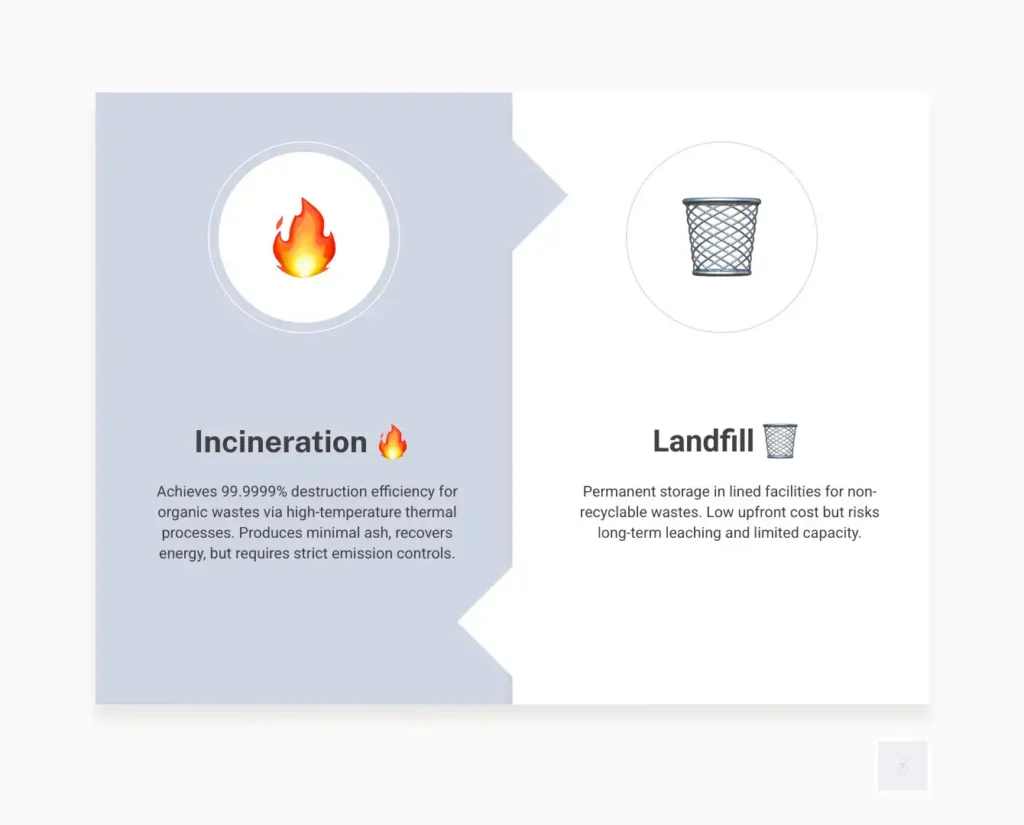
These technological advancements, coupled with robust sustainability metrics, underscore the industry’s commitment to minimizing environmental impact while managing the most challenging waste streams.
Strategic Selection of Removal and Disposal Partners
Choosing the proper hazardous waste removal and disposal partner is a critical business decision that can impact regulatory compliance, financial stability, and environmental responsibility. It goes beyond simply finding a company that offers the service; it requires a strategic evaluation of their capabilities, credentials, and commitment to safety and sustainability.
A primary consideration is professional expertise. Reputable companies employ specialists with deep knowledge of hazardous waste identification, classification, and regulatory requirements. They operate or partner with permitted Treatment, Storage, and Disposal Facilities (TSDFs), which are regulated sites authorized to handle hazardous waste.
Verification of these permits and licenses is crucial. Businesses should also inquire about the partner’s insurance coverage and financial assurance, which ensures funds are available to cover potential cleanup costs in the event of an unforeseen incident. For example, a directory of household waste companies can serve as a starting point for individuals seeking local services, underscoring the importance of such listings for both commercial and residential needs.
Cost-effectiveness is naturally a factor, but it should never compromise safety or compliance. Companies typically calculate costs based on factors such as waste volume, type, hazardous properties, and disposal method. Distance to disposal facilities also plays a role. While comparing quotes, understand what is included in the pricing—some offer all-inclusive pricing, while others may have hidden fees.
Many organizations benefit from vendor consolidation, partnering with a single provider that can manage diverse waste streams and services. This streamlines operations, reduces administrative burdens, and often leads to better pricing due to economies of scale. Furthermore, a reputable partner should provide a certificate of assurance and indemnification, offering liability protection against accidents or spills involving your waste while it is in their possession.
The benefits of on-site recycling programs, offered by some providers, can significantly reduce waste volume and associated costs. Finally, ensuring the accuracy of waste identification is paramount, and a resource for finding accredited labs can be invaluable for proper waste profiling and characterization. This comprehensive approach to partner selection helps build a resilient and compliant hazardous waste management program.
Emergency Response and Risk Mitigation
Despite the most rigorous safety protocols, accidents involving hazardous materials can occur. Therefore, robust emergency response and risk mitigation strategies are indispensable for any entity involved in hazardous materials management. Specialized dangerous waste removal companies are equipped to handle such crises quickly and with expertise, minimizing damage and ensuring public safety.
These companies maintain 24/7 emergency response capabilities, often coordinated through national centers such as the National Response Center (NRC) in the U.S. Their teams are trained for rapid deployment and employ advanced containment strategies to prevent spills from spreading. Upon arrival, they focus on assessing the situation, containing the release, and initiating cleanup operations. Following the immediate response, detailed after-action reports are compiled to analyze the incident, identify root causes, and refine future prevention and response protocols.
Decontamination services are a critical component of emergency response, ensuring that affected areas, equipment, and personnel are thoroughly cleaned to remove hazardous residues. For larger incidents involving environmental contamination, remediation, including soil and groundwater investigation and cleanup, is undertaken to restore affected sites to safe conditions. For businesses needing to identify qualified spill cleanup contractors quickly, a list of such contractors can be a vital resource, providing immediate contacts.
Risk mitigation also extends to proactive measures, even for consumers. Many communities and waste management companies offer household hazardous waste collections, making it easier for residents to dispose of items like paints, chemicals, and electronics responsibly. Services like the “At Your Door” program, detailed at At Your Door service, exemplify convenience by picking up potentially hazardous household materials directly from homes.
Additionally, mail-in recycling kits provide a safe and convenient way to return dangerous items, such as mercury-containing products, ensuring they are properly managed and kept out of the environment. These integrated approaches to emergency response and risk mitigation are essential for protecting both human health and natural resources from the dangers of hazardous materials.
Frequently Asked Questions about Hazardous Waste Management
What are the primary differences between professional removal and in-house management?
The primary differences lie in expertise, compliance, and liability. Professional hazardous waste removal companies possess specialized knowledge, certifications, and equipment to safely and compliantly handle a wide range of dangerous materials. They are well-versed in federal, state, and local regulations, ensuring that all aspects of waste identification, segregation, transportation, treatment, and disposal adhere to legal standards.
Attempting to manage hazardous waste in-house, especially for complex industrial waste streams, often exposes businesses to significant risks. These include potential regulatory violations, environmental contamination, worker safety hazards, and substantial financial and legal liabilities. Professionals also offer economies of scale and access to advanced treatment technologies that are typically unavailable to individual companies.
How do companies calculate the costs of hazardous waste removal services?
Hazardous waste removal companies determine costs based on several key factors, though specific pricing information is not disclosed. These factors typically include the type and chemical composition of the waste, its physical state (liquid, solid, sludge, gas), its hazardous characteristics (flammable, corrosive, reactive, toxic), and its volume or weight.
The chosen disposal or treatment method (e.g., incineration, landfill, recycling, or fuel blending) also affects costs, as some methods are more resource-intensive than others. Additionally, transportation distance, regulatory fees, specialized packaging requirements, and any necessary laboratory analysis for waste profiling contribute to the overall expense. Many providers offer custom service programs and may provide more favorable rates for consolidated waste streams or long-term contracts.
What are the options for disposing of hazardous household materials safely?
Disposing of hazardous household materials safely is crucial to protect families and the environment. Options vary by community but generally include:
- Household Hazardous Waste (HHW) Collection Events: Many municipalities organize periodic collection events where residents can bring hazardous items for proper disposal.
- Permanent HHW Collection Facilities: Some areas have year-round facilities dedicated to accepting household hazardous waste.
- Retail Take-Back Programs: Certain retailers accept specific items, such as batteries, fluorescent bulbs, or motor oil, for recycling.
- Special Collection Services: Some waste management companies offer “At Your Door” service, which picks up hazardous items directly from your home, often for a fee.
- Mail-in Recycling Programs: For specific items, such as mercury-containing devices or certain electronics, specialized mail-in kits are available. It’s essential to check with your local waste management authority or municipal website for specific options and schedules in your area.
Conclusion
Navigating the complexities of hazardous materials shipping and logistics is a critical undertaking that demands unwavering attention to detail, regulatory adherence, and a strong commitment to environmental stewardship. For industries generating hazardous waste, partnering with specialized removal companies is not merely a convenience but a strategic imperative. These experts ensure that all aspects of hazardous waste management, from intricate logistics to advanced treatment, are handled with the highest standards of safety and compliance.
By leveraging professional expertise, businesses can mitigate risks, uphold a positive safety culture, and protect themselves from the significant legal and financial implications of improper disposal. The continuous evolution of treatment technologies and the emphasis on sustainability further underscore the value of these partnerships. A proactive approach to hazardous waste management contributes not only to long-term liability protection and industrial efficiency but also to the broader goal of safeguarding our planet for future generations.