Why Motorcycle Accident Claims Are Different From Car Accidents
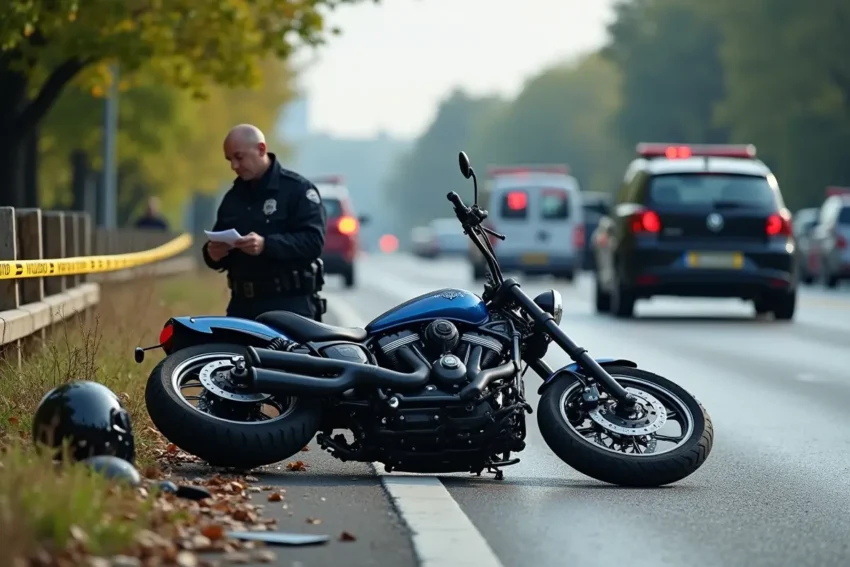
Motorcycle accidents are often discussed alongside car accidents, but legally and practically, they are very different. While both involve motor vehicles and road laws, the way claims are evaluated, negotiated, and litigated can vary dramatically. Understanding these differences is essential for injured riders and their families, especially when pursuing compensation after a serious crash.
Motorcycle accident claims tend to involve higher stakes, more complex liability questions, and greater resistance from insurance companies. These factors combine to make motorcycle cases uniquely challenging compared to standard car accident claims.
Contents
- 1 The Lack of Physical Protection Changes Everything
- 2 Why Legal Strategy Matters More in Motorcycle Cases
- 3 Injury Severity Directly Impacts Claim Complexity
- 4 Bias Against Motorcyclists Affects Liability Decisions
- 5 Motorcycle Accidents Often Involve Visibility Issues
- 6 Helmet Laws and Gear Can Influence Compensation
- 7 Insurance Coverage Gaps Are More Common
- 8 Understanding the Differences Protects Your Rights
The Lack of Physical Protection Changes Everything
One of the most fundamental differences between motorcycle and car accidents is the absence of physical protection for riders. Motorcycles do not have seatbelts, airbags, or steel frames surrounding the operator. Even at low speeds, a rider is fully exposed to impact with vehicles, pavement, or roadside structures.
This exposure often leads to more severe injuries. Traumatic brain injuries, spinal cord damage, road rash requiring skin grafts, and multiple fractures are far more common in motorcycle crashes. These injuries typically require longer recovery periods, extensive rehabilitation, and sometimes lifelong medical care.
Because damages are higher, motorcycle accident claims tend to be more aggressively contested by insurers. Larger medical bills and long-term losses increase the financial risk for insurance companies, prompting closer scrutiny and tougher settlement negotiations.
Why Legal Strategy Matters More in Motorcycle Cases
Because of higher damages, stronger bias, and more complex liability arguments, motorcycle accident claims demand a different legal strategy than car accident cases. Evidence must be more thorough, medical documentation more detailed, and negotiations more precise.
Without a carefully built case, injured riders risk receiving settlements that fail to reflect the true cost of their injuries. Taking the time to understand these differences can make a significant impact on the outcome of a claim.
For riders seeking deeper insight into how claims are evaluated and what steps matter most, you can visit page resources dedicated to motorcycle accident litigation and injury recovery.
Injury Severity Directly Impacts Claim Complexity
In car accident cases involving minor injuries, claims are often resolved quickly with limited investigation. Motorcycle accident claims rarely follow that pattern. The severity of injuries usually requires detailed medical documentation, expert testimony, and long-term prognosis evaluations.
Future damages play a major role in motorcycle claims. Loss of earning capacity, permanent disability, and ongoing treatment costs must be carefully calculated. This adds complexity and time to the claims process, particularly when insurers challenge whether future care is truly necessary or accident-related.
Disputes over medical causation are more common in motorcycle cases. Insurers may argue that injuries were pre-existing or exaggerated, even when the physical trauma is obvious.
Bias Against Motorcyclists Affects Liability Decisions
Another key difference is the perception of fault. Motorcyclists often face unfair stereotypes that do not affect car drivers. Riders are frequently portrayed as reckless, aggressive, or risk-seeking, regardless of the actual circumstances of the crash.
This bias can influence insurance adjusters, opposing attorneys, and even jurors. In many motorcycle accident claims, liability is contested more aggressively, with insurers attempting to shift blame onto the rider by alleging speeding, lane splitting, or unsafe maneuvering.
Even when a motorcyclist follows traffic laws, insurers may argue that riding itself is inherently dangerous and that the rider assumed the risk. Overcoming these arguments requires strong evidence, including accident reconstruction, witness statements, and sometimes traffic camera or dashcam footage.
Motorcycle Accidents Often Involve Visibility Issues
Visibility plays a significant role in motorcycle accident claims. Many crashes occur because drivers fail to see motorcycles, particularly at intersections or during lane changes. Statements like “I didn’t see the motorcycle” are common in these cases.
From a legal perspective, visibility issues introduce nuanced liability arguments. While failing to see a motorcycle is not a valid defense, insurers often use it to muddy the waters, suggesting that the rider was in a blind spot or traveling unpredictably.
Establishing fault in these cases often requires expert analysis. Skid marks, vehicle positioning, lighting conditions, and road design may all be examined in detail to prove negligence.
Helmet Laws and Gear Can Influence Compensation
Unlike car accidents, motorcycle claims are frequently affected by helmet laws and protective gear. In some jurisdictions, failure to wear a helmet does not prevent an injured rider from filing a claim, but it may reduce compensation under comparative negligence rules.
Insurance companies often argue that injuries would have been less severe if proper gear had been worn. These arguments can affect damages even when the accident itself was clearly caused by another driver.
This added layer of legal analysis is rarely present in car accident cases, where seatbelt use is more standardized and less contentious in injury disputes.
Insurance Coverage Gaps Are More Common
Motorcycle accident claims are also complicated by insurance coverage issues. Motorcycles are sometimes underinsured compared to cars, and not all policies include adequate uninsured or underinsured motorist coverage.
When a negligent driver has minimal coverage, recovering full compensation becomes more difficult. Riders may need to rely on their own policies or pursue additional legal avenues to cover medical expenses and long-term losses.
These coverage challenges often require deeper policy analysis and more strategic negotiation than typical car accident claims.
Understanding the Differences Protects Your Rights
Motorcycle accident claims are not just car accident claims on two wheels. They involve unique legal, medical, and insurance challenges that require focused attention and informed decision-making.
Recognizing these differences early helps injured riders protect their rights, avoid common pitfalls, and pursue compensation that truly reflects the impact of the crash on their lives.