Modern Solutions for Tamper-Resistant Fastening
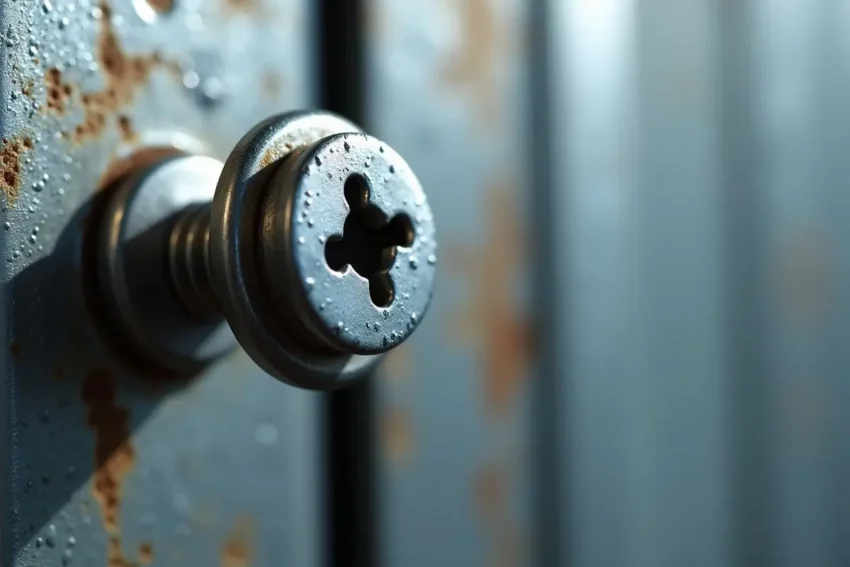
Tamper-resistant fasteners are specialized hardware designed to prevent unauthorized access or removal of equipment, fixtures, and other secured components. Unlike standard screws and bolts, these fasteners often feature unique head designs that require specific tools for installation and removal. This added layer of security makes them particularly useful in public spaces, electronic devices, and industrial settings where theft or tampering could pose safety risks. Understanding the different types, from one-way screws to pin-in-tamper designs, helps users select the right option for their specific security needs.
For comprehensive information on types, drive styles, and security features, the Best Security Screws resource offers valuable insights into the most effective tamper-resistant solutions currently available on the market. By learning how these fasteners function and where they are best applied, individuals and businesses can significantly reduce the risk of damage or unauthorized interference, making tamper-resistant hardware a practical choice for long-term security and durability.
Contents
Recent Innovations in Fastening Technology
The fastener industry has recently experienced significant technological advances, with a focus on developing more complex and reliable tamper-resistant solutions. A major breakthrough involves integrating sophisticated anti-tamper mechanisms, which often combine proprietary drive patterns with hardware features such as built-in washers, captive screws, and compression springs. These features not only deter unauthorized access but also ensure a secure fit even in environments with vibrations or harsh conditions.
Many modern fasteners are crafted from specialty alloys with corrosion-resistant coatings, making them suitable for outdoor and industrial applications. Cutting-edge trends include using advanced alloys and composite materials to enhance strength and durability, as well as applying surface treatments such as zinc-nickel plating or ceramic coatings for extreme conditions. Additionally, rapid prototyping with 3D printing facilitates quicker testing and implementation of new tamper-evident features.
Applications Across Industries
The benefits and necessity of tamper-resistant fasteners extend broadly across multiple sectors, each facing distinct security challenges that require tailored approaches:
- Aerospace and Defense: Highly sensitive military, aerospace, and satellite components rely on tamper-resistant fasteners to protect mission-critical systems from interference and unauthorized disassembly. Fasteners engineered for these environments must meet strict reliability guidelines, and their selection is often dictated by comprehensive security protocols that consider both physical and electronic threats.
- Public Infrastructure: City governments, transportation authorities, and utilities use tamper-resistant hardware to safeguard equipment exposed to the public, including benches and streetlights, bridges, signage, and utility cabinets. The anti-tamper features of these fasteners discourage theft, deter misuse, and help reduce long-term repair and replacement costs stemming from vandalism.
- Electronics: In the world of electronics, security screws, tamper-proof nuts, and locking assemblies are common in consumer products ranging from vending machines and laptops to smart home devices and sensitive banking equipment like ATMs. These specialized elements protect against unauthorized repair, reverse engineering, and intrusion. Manufacturers must strike a balance between product repairability and effective defense against hacking or misuse.
Choosing the Right Fastener
Choosing the right tamper-resistant fastener involves more than just a difficult-to-remove head. Key considerations include material compatibility, environmental exposure (moisture, chemicals, UV radiation, extreme temperatures), and the required level of tamper resistance. Organizations should assess their specific security needs; some settings require maximum security, while others benefit from a balance between security and ease of access.
Consulting industry experts, adhering to technical standards, and selecting reputable suppliers are crucial to making informed decisions that minimize hardware failures and ensure regulatory compliance. Maintenance needs should also guide fastener selection; options allowing authorized removal with less common tools can facilitate upkeep while deterring unauthorized access. Standardizing hardware across similar applications can streamline maintenance and auditing.
Installation Best Practices
Proper installation is as vital as selecting the fastener itself. Even the most expensive or advanced tamper-resistant hardware can be rendered ineffective if incorrect tools or improper installation techniques are used. Key installation recommendations include following the manufacturer-provided torque specifications, ensuring proper thread engagement, and checking alignment. Over-torquing can lead to premature failure, while cross-threading may reduce both grip and security.
Additionally, investing in training for installation teams is crucial, as it ensures that every team member understands the specific requirements for tamper-resistant assemblies. Regular site audits and scheduled inspections help verify that fasteners remain tight and intact, providing an early warning system for potential tampering or wear. Comprehensive documentation and record-keeping further enhance site security and support efficient troubleshooting if issues arise.
Future Trends in Fastening Solutions
The future of tamper-resistant fasteners combines physical and digital security, with R&D exploring ‘smart” fasteners embedded with RFID chips or sensors that detect tampering and send real-time alerts. Some prototypes record access attempts with timestamps and user IDs, serving as deterrents and creating audit trails.
Environmental sustainability also influences innovation, focusing on durability and recyclability, like non-toxic coatings and recycled metals. As environmental goals become more important and demand for eco-friendly products increases, the industry increasingly incorporates sustainability into tamper-resistant hardware.
Conclusion
Modern tamper-resistant fasteners form the backbone of physical security in a world where threats are both physical and digital. Their ongoing evolution, driven by advances in materials science, engineering, and connected technologies, ensures they remain a robust defense against both routine tampering and sophisticated attacks.
By prioritizing the careful selection, precise installation, and regular evaluation of these components, organizations can stay ahead of emerging risks and support uninterrupted operations. Keeping pace with the latest innovation in fastener technology enables stakeholders to better protect valuable assets and foster resilient, secure environments in a rapidly changing world.