Modern Chimney Pipe Solutions for Design-Driven Homes
Contemporary residential design increasingly blurs the line between form and function. Nowhere is this balance more apparent than in the integration of heating elements, where performance requirements must coexist with refined architectural intent. Wood stoves remain popular in modern homes for their efficiency and atmosphere, but their visual impact depends largely on how the chimney system is designed and installed.
Rather than being hidden or treated as a necessary compromise, today’s chimney pipe solutions are becoming deliberate design features. Clean lines, precise material choices, and thoughtful placement allow chimney systems to complement modern interiors while enhancing exterior elevations. For architects and design-focused homeowners, the chimney is no longer an afterthought but a continuation of the home’s visual language.
Contents
- 1 The Role of the Chimney in Modern Architectural Design
- 2 Interior Integration Without Visual Clutter
- 3 Material Choices That Define Modern Chimney Aesthetics
- 4 Durability Meets Design Performance
- 5 Exterior Chimney Design and the Modern Facade
- 6 Harmonizing With Outdoor Living Spaces
- 7 Designing for Longevity and Timeless Appeal
- 8 A Thoughtful Balance of Function and Form
The Role of the Chimney in Modern Architectural Design
In contemporary architecture, every visible component contributes to the overall composition. A chimney pipe intersects multiple planes, moving from interior spaces through ceilings and rooflines before becoming part of the exterior silhouette. When handled carefully, this transition can reinforce architectural clarity rather than disrupt it.
Modern homes favor restraint and intentionality. Excess ornamentation is replaced by clean geometry, neutral palettes, and honest materials. A well-designed chimney aligns with these principles by maintaining visual continuity from inside to out. The pipe becomes a vertical axis that anchors the heating element while echoing the home’s structural rhythm.
Interior Integration Without Visual Clutter
Inside the home, modern design prioritizes openness and simplicity. Exposed chimney pipes are often visible in living areas, making their appearance just as important as their performance. Smooth finishes, consistent diameters, and subtle detailing help the chimney feel integrated rather than imposed.
A black wood stove pipe, used intentionally, can act as a strong visual counterpoint within a minimalist interior. Against light walls or natural materials such as wood and concrete, the pipe introduces contrast without overwhelming the space. Its vertical presence can frame a stove installation, giving it a sculptural quality that aligns with contemporary design sensibilities.
Material Choices That Define Modern Chimney Aesthetics
Material selection plays a central role in how chimney systems are perceived. Modern homes often rely on a limited palette, allowing textures and finishes to stand out through repetition and balance. Chimney pipes that reflect this approach appear cohesive rather than utilitarian.
Steel finishes are particularly popular in modern installations. Matte black, satin charcoal, and brushed metallic surfaces reduce glare and create a refined, architectural feel. These finishes also age well, maintaining their appearance over time without drawing unwanted attention.
Durability Meets Design Performance
Beyond aesthetics, modern homes demand materials that perform consistently under varying conditions. Chimney systems must withstand high temperatures, condensation, and outdoor exposure while maintaining a clean appearance. High-quality insulated systems, including class A chimney pipe, are designed to meet these demands without compromising visual appeal.
By integrating insulation within the pipe structure, these systems maintain slim profiles that suit modern rooflines and façades. The result is a chimney that meets safety and performance standards while preserving the crisp outlines favored in contemporary architecture.
Exterior Chimney Design and the Modern Facade
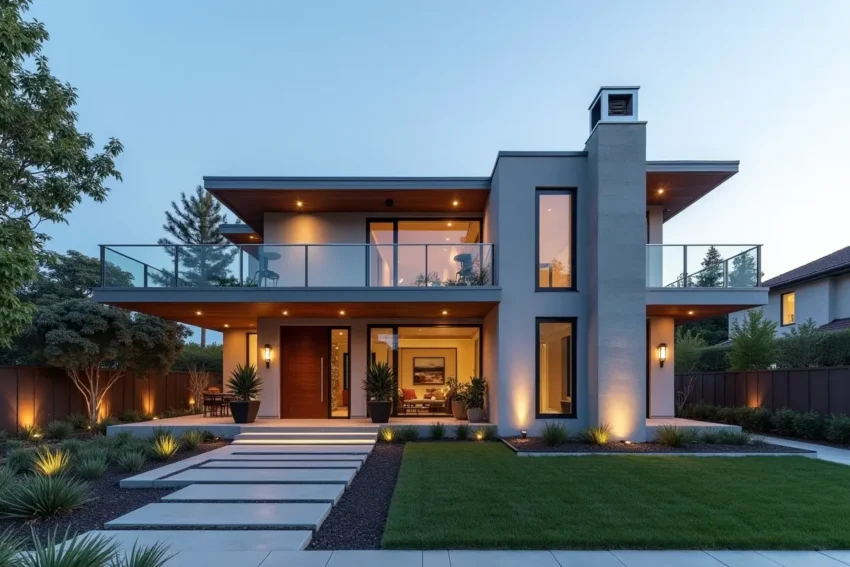
The exterior portion of a chimney often defines how visible the system becomes from the street or landscape. In design-driven homes, exterior chimneys are carefully aligned with walls, roof edges, or vertical cladding seams to preserve visual order.
Modern exteriors emphasize continuity. Chimney pipes that extend cleanly through the roof or run vertically along façades can reinforce this continuity when their finish complements surrounding materials. Dark metal pipes often pair well with standing-seam roofing, fiber cement panels, and modern masonry, allowing the chimney to feel intentional rather than intrusive.
Harmonizing With Outdoor Living Spaces
Many modern homes blur indoor and outdoor living through large openings and transitional spaces. Chimney systems that serve wood stoves in great rooms or garden-facing lounges must visually align with both environments. A thoughtfully selected pipe finish ensures the chimney feels consistent whether viewed from inside the home or from outdoor gathering areas.
When designed as part of the architectural concept, chimney pipes can enhance outdoor elevations by adding vertical emphasis. Rather than hiding the system, designers increasingly use it to punctuate façades and reinforce the home’s proportions.
Designing for Longevity and Timeless Appeal
Trends in residential design evolve, but well-executed modern elements tend to age gracefully. Chimney systems that rely on simple forms and durable finishes are less likely to feel dated over time.
By avoiding overly decorative components and focusing on proportion and material integrity, designers ensure the chimney remains relevant as interiors and furnishings change.
A restrained approach also supports future adaptability. Homes may evolve in layout or use, but a cleanly integrated chimney system continues to serve both functional and aesthetic roles without requiring redesign.
A Thoughtful Balance of Function and Form
Modern chimney pipe solutions demonstrate how technical requirements can enhance, rather than hinder, architectural expression. By considering the chimney as a visible design element, homeowners and designers create installations that support efficient heating while reinforcing contemporary aesthetics.
When materials, proportions, and placement are aligned with the overall design intent, chimney systems become an integral part of the home’s identity. The result is a wood stove installation that delivers warmth and performance while contributing to the clarity, balance, and sophistication that define modern design.