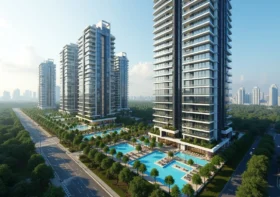
The Modern Apartment Reconsidered
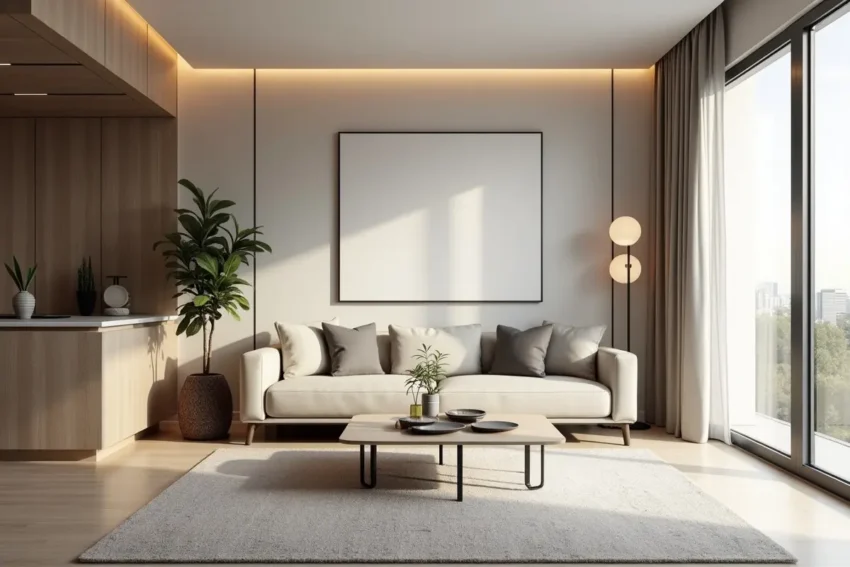
Apartments have changed. Not only in layout or finish, but in meaning.
They are no longer viewed as temporary spaces between larger milestones. For many people, apartments represent flexibility, access, and intentional living. They offer proximity to work, culture, and transit. They reduce maintenance burdens. And they support mobility in a world where plans shift more often than they once did.
The conversation around apartment living deserves to evolve with it.
Contents
- 1 Apartment Living as a Strategic Choice
- 2 Design Expectations Have Shifted
- 3 Location Remains Foundational
- 4 Amenities With Purpose
- 5 Transparency in the Rental Process
- 6 Long Term Renting as a Lifestyle
- 7 Professional Management Matters
- 8 The Emotional Dimension of Space
- 9 A Considered Approach to Renting
Apartment Living as a Strategic Choice
There is a lingering assumption that renting is a compromise. That assumption no longer reflects reality.
For professionals relocating to new cities, entrepreneurs building businesses, or families seeking proximity to schools and transit, apartments offer agility. They allow individuals to align their housing decisions with career movement and lifestyle goals.
The modern renter is not avoiding responsibility. They are optimizing for flexibility.
An apartment can provide access to neighbourhoods that might otherwise be financially inaccessible. It can place residents steps from transit corridors, cultural institutions, and employment hubs. In cities where time is currency, proximity has measurable value.
Design Expectations Have Shifted
The standard for apartment living has risen.
Natural light, efficient layouts, sound insulation, and integrated storage are no longer premium features. They are baseline expectations. Residents look for spaces that support work from home routines as comfortably as they support hosting guests.
Open concept designs continue to appeal, but not at the expense of defined areas for focus and privacy. Well-considered apartments balance openness with separation. They offer fluidity without sacrificing function.
Material choices matter as well. Durable flooring, quality fixtures, and neutral palettes allow residents to personalize without clashing with the architecture of the unit itself.
An apartment should feel composed before furniture arrives.
Location Remains Foundational
Design and amenities attract attention, but location anchors long term satisfaction.
Walkability, transit access, and neighbourhood character influence daily life more than square footage alone. A smaller unit in a well-connected area often provides more practical value than a larger one removed from essential services.
When evaluating apartments, consider not only the building but the surrounding ecosystem.
Are grocery stores accessible without a car?
Is public transit reliable?
Are there parks, cafes, or community spaces nearby?
These factors shape the lived experience far more than promotional photography.
Amenities With Purpose
Modern apartment buildings often include shared amenities. Fitness rooms, coworking spaces, rooftop terraces, and lounges have become standard in many urban developments.
The presence of amenities is not enough. Their usability matters.
A well designed fitness space should feel functional rather than ornamental. A shared workspace should offer reliable connectivity and quiet zones. Outdoor areas should feel intentional, not residual.
Amenities should extend living space in meaningful ways. They should not exist solely to enhance marketing materials.
When integrated properly, shared facilities reduce the need for external memberships and increase daily convenience.
Transparency in the Rental Process
As expectations rise, so does the importance of transparency.
Prospective renters want clear information about pricing, lease terms, building policies, and maintenance standards. They want accurate photography and honest descriptions.
Digital platforms have reshaped how apartments are discovered and evaluated. A refined search experience allows individuals to filter by neighbourhood, price range, and features with efficiency.
Companies like MyRental.ca provide centralized listings that help renters compare options thoughtfully rather than reactively. Access to comprehensive information supports measured decisions.
The rental process should feel organized, not rushed.
Long Term Renting as a Lifestyle
In previous generations, renting was often framed as a short term phase. Today, many individuals choose long-term renting intentionally.
This shift reflects broader economic and cultural trends. Mobility, career fluidity, and evolving family structures influence housing priorities.
Long term renters often invest in their spaces differently. They select furnishings with intention. They establish routines and community ties. and they expect property management to respond with professionalism.
In this context, apartment living is not transitional. It is stable and considered.
Professional Management Matters
The quality of property management directly impacts the apartment experience.
Responsive maintenance teams, clear communication, and consistent upkeep contribute to resident satisfaction. Neglect in these areas undermines even the most thoughtfully designed buildings.
A well managed property reflects attention to detail. Common areas are maintained. Systems function reliably. Concerns are addressed without friction.
These operational standards reinforce trust between residents and management.
In competitive urban markets, that trust becomes a differentiator.
The Emotional Dimension of Space
While practical considerations dominate rental decisions, the emotional dimension of space should not be ignored.
An apartment should feel proportionate to its occupant’s life. It should accommodate work, rest, and social interaction without tension.
Good design supports routine. It allows light in the morning and privacy at night. It absorbs noise rather than amplifying it. And it feels stable during seasonal changes.
These qualities are subtle, but they accumulate.
Over time, a well chosen apartment becomes more than an address. It becomes an anchor point.
A Considered Approach to Renting
Apartment living today is neither compromise nor placeholder. It is a deliberate choice shaped by flexibility, design, and location.
Prospective renters benefit from approaching the process with clarity. Define priorities before browsing. Evaluate neighbourhood context as carefully as interior finishes. Seek transparency in listings and lease terms.
Digital tools and comprehensive platforms have made this process more accessible. With thoughtful research and realistic expectations, renters can identify spaces that align with both present needs and future plans.
An apartment should support life, not complicate it.
When chosen with intention, it does exactly that.