7 Mistakes When Selling Bike Lights In Your Retail Store
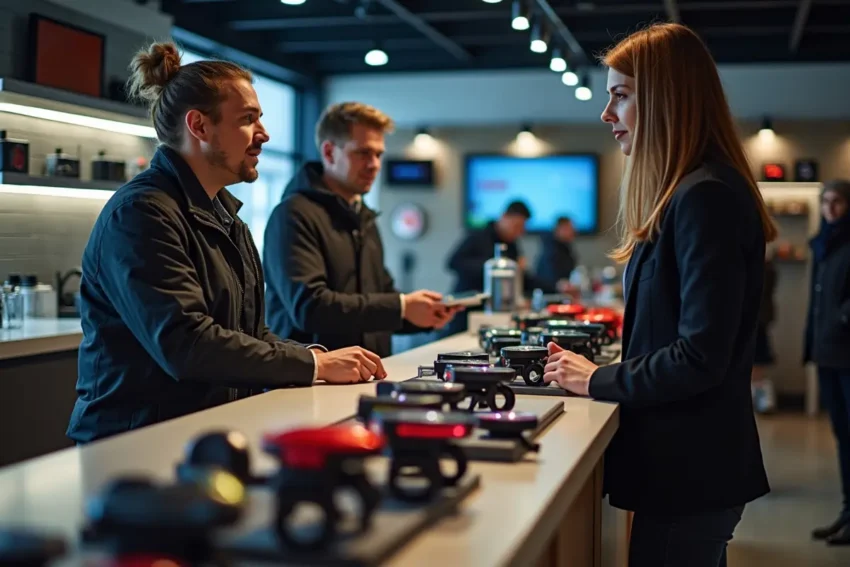
Selling bike lights might sound easy; after all, they’re small, practical, and every rider needs them. But many stores miss out on sales because of simple mistakes that push buyers away. Whether you run a local bike shop or sell online, understanding what stops customers from buying can make a big difference to your bottom line. In this article, you will go through seven common mistakes and how to avoid them.
Contents
- 1 1. Forgetting to Explain Why Bike Lights Matter
- 2 2. Selling Only One Type of Light
- 3 3. Poor Product Display and Store Layout
- 4 4. Skipping Product Demos
- 5 5. Ignoring Rechargeable Options
- 6 6. Missing Upselling Chances
- 7 7. Not Staying Updated With New Tech
- 8 Turn Bike Lights Into a Top-Selling Product
1. Forgetting to Explain Why Bike Lights Matter
Always remember, most store owners believe people understand the importance of bike lights. Instead of showing the lights in action, show the way they keep riders visible in the mornings or in bad weather. Explain the differences in function between front and rear lights. When customers realise that, they will think of bike lights as part of the essential gear, rather than an optional accessory.
2. Selling Only One Type of Light
Some riders require bright, high-lumen lights for tackling dark country roads; others simply seek a small, rechargeable light to navigate the short distances common in city riding. If your shop only features one variety, you’re limiting a big part of your market. Provide options, from intense headlights to sleek and compact. Customers who have more options will stay on and often come back for upgrades or spares.
3. Poor Product Display and Store Layout
The bike lights are hidden away in a corner or behind a counter where customers don’t bother to look. Rather, provide a little display next to the bikes where customers can try the brightness or see how the lights attach. Consider adding a night-like setting, where you show how the lights really perform in low light. The bright, illuminated display will attract business and the impulse purchases that come with it.
4. Skipping Product Demos
People like to see how things work before they buy, particularly with gear like bike lights. If they can’t power up or test drive them, customers may be reluctant to purchase. Establish a show area where customers can verify the light’s brightness, weight and mounting type. That kind of hands-on experience goes a long way, helping shoppers understand why one model might be more expensive.
5. Ignoring Rechargeable Options
Many stores still push traditional battery-powered lights, but rechargeable models are now the go-to choice. Riders prefer USB-rechargeable lights because they save money and are simply more convenient. Make sure your team explains the benefits: no more replacing batteries or running out of power mid-ride. Stocking rechargeable lights also shows your store cares about modern cycling needs.
6. Missing Upselling Chances
When someone buys a bike, it’s the perfect time to recommend lights, but many stores forget to mention them at checkout. Upselling doesn’t mean being pushy; it’s about helping your customers ride safely. Encourage your staff to suggest lights, locks, reflectors, or even helmet-mounted options. Little add-ons can increase your average sale and make your store the go-to place for complete cycling gear.
7. Not Staying Updated With New Tech
Take note that investing in durable, smart lights that adjust brightness automatically or connect to apps is getting more popular. If your store doesn’t keep up, tech-savvy riders might look elsewhere. Follow cycling brands, check out expos, and refresh your stock regularly. Don’t forget that when you carry newer models, you show customers that your shop stays current and values quality gear.
Turn Bike Lights Into a Top-Selling Product
Selling bike lights successfully comes down to showing their value, offering choices, and keeping customers informed. Avoid these seven common mistakes by educating customers, improving your display, and keeping up with new cycling trends. With the right approach and a good mix of quality lights, your store can turn a simple accessory into one of your best-selling items.