Why Modern Luxury Homes Are Being Designed Around Light, Space, and Simplicity
Luxury homes used to follow a predictable formula. Large rooms, ornate finishes, and dramatic architectural details were the standard signals of wealth. Buyers expected grand staircases, decorative moldings, and heavy materials throughout the home.
That formula is changing.
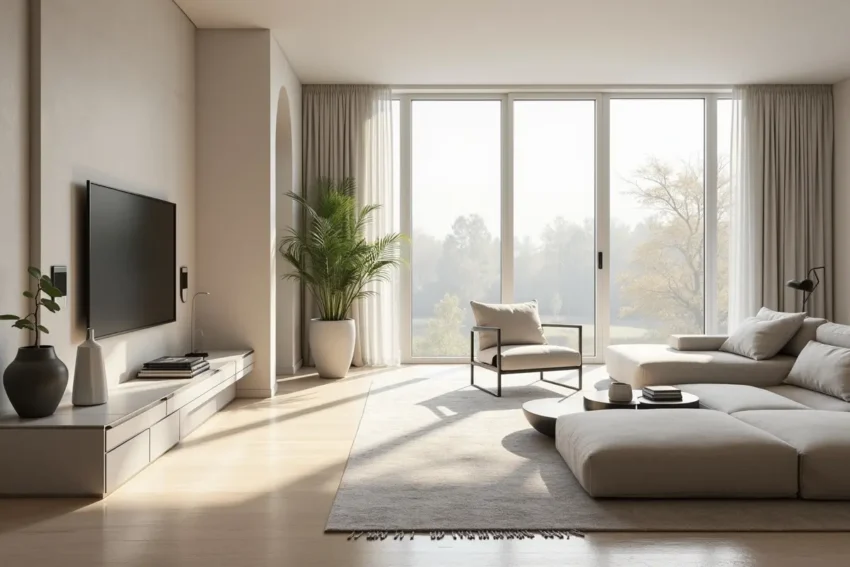
Many of today’s high-end buyers are drawn to homes that feel calm, open, and intentional. Instead of dramatic decoration, architects are focusing on proportion, natural light, and thoughtful material choices.
In other words, the definition of luxury design has shifted.
Contents
- 1 The Rise of Simpler Architectural Forms
- 2 Natural Light Is Now a Central Design Element
- 3 Interior Design Is Becoming More Intentional
- 4 Outdoor Living Is Now Part of the Architecture
- 5 The Role of Design in the Luxury Property Market
- 6 Why Design-Driven Homes Hold Long-Term Appeal
- 7 Where Luxury and Architecture Meet
The Rise of Simpler Architectural Forms
One of the most noticeable trends in high-end residential design is the move toward simpler forms.
Modern luxury homes often feature clean lines, open layouts, and large expanses of glass. Exterior facades rely on materials such as natural stone, wood, steel, and concrete rather than ornamental features.
This approach creates homes that feel modern without appearing overly stylized.
Architects often describe this type of design as restrained. Every element serves a purpose. Walls frame views, windows guide natural light, and materials are chosen for durability and texture rather than decoration.
The result is architecture that feels balanced and comfortable to live in.
Natural Light Is Now a Central Design Element
Another major shift in luxury residential design is the emphasis on natural light.
Instead of small windows placed around a home, modern luxury houses often use floor-to-ceiling glazing and open sightlines that allow light to travel across the interior.
This creates spaces that feel larger and more connected to the surrounding landscape.
Designers often orient rooms around views of gardens, city skylines, or water. The home becomes a frame for its environment rather than a barrier separating the interior from the outside.
For many buyers, this connection to light and landscape is more valuable than decorative features.
Interior Design Is Becoming More Intentional
The same philosophy extends to interior spaces.
Rather than filling rooms with furniture and decorative objects, designers are creating interiors that emphasize quality materials and thoughtful layout.
Wood, stone, plaster, and metal are used to introduce texture and depth. Colour palettes remain neutral so the architecture itself becomes the visual focus.
Furniture is often selected to complement the structure of the home rather than dominate it.
This approach creates spaces that feel calm and livable, which is one reason it has become so popular in contemporary residential design.
Outdoor Living Is Now Part of the Architecture
High-end homes are also being designed with outdoor living as an extension of the interior.
Terraces, gardens, and pool areas are integrated into the architectural layout instead of added later.
Sliding glass walls, covered patios, and landscaped courtyards allow indoor and outdoor spaces to blend together. The home expands into its surroundings, creating multiple areas for relaxation and entertaining.
For homeowners, this design approach offers flexibility throughout the year.
A single property can support quiet daily routines as well as larger social gatherings.
The Role of Design in the Luxury Property Market
Architectural quality plays a major role in how luxury properties are perceived in the real estate market.
Homes with strong design identity tend to attract attention because they offer something distinctive. Buyers looking at high-end properties often respond to craftsmanship, proportion, and thoughtful material choices.
In cities like Toronto, design-focused buyers frequently explore listings from firms recognized as leaders in the luxury real estate market to see properties located in established neighbourhoods where architecture and design play an important role.
Studying these homes reveals how different architectural approaches influence the character of high-end residential areas.
Why Design-Driven Homes Hold Long-Term Appeal
Homes built around thoughtful architectural principles tend to age well.
Materials such as stone, hardwood, and steel maintain their appearance over time. Open layouts allow interiors to adapt as lifestyles change. Generous windows continue to provide light and views long after construction is complete.
Because of this, well-designed homes often remain desirable for decades.
Rather than relying on trends, they focus on fundamentals that support comfortable living.
Where Luxury and Architecture Meet
Luxury housing is increasingly defined by design quality rather than size or decoration.
Architects, designers, and developers are responding to buyers who value simplicity, craftsmanship, and strong spatial design.
The result is a new generation of homes where architecture itself becomes the central feature.
Instead of relying on excess, these homes demonstrate that thoughtful design is often the most powerful expression of luxury.