Designing for the Future: Integrating Sustainability in Modern Architecture
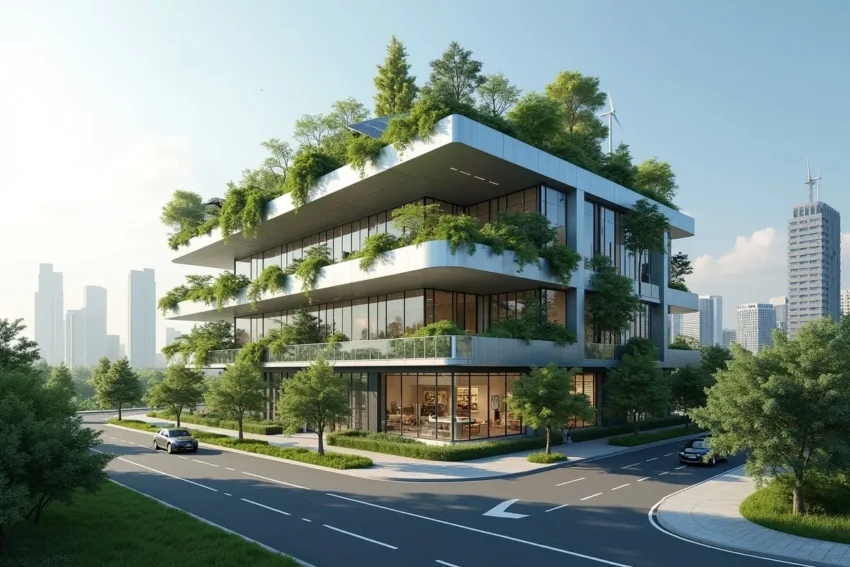
Sustainable architecture represents a design philosophy that seeks to minimize the negative environmental impact of buildings by efficiency and moderation in the use of materials, energy and development space. This approach promotes harmony between built environments and the natural world, ensuring the conservation of resources for future generations.
Visionary architects leverage innovative techniques to create spaces that balance environmental stewardship with human comfort, advancing the broader movement toward eco-minded urban development. Even professionals in related fields, such as Tulsa interior designers who increasingly incorporate eco-friendly finishes and energy-efficient layouts, are contributing to this growing shift toward sustainable living.
Over recent decades, eco-friendly design practices have moved from the fringes of architectural innovation to the mainstream, driven by growing concerns over climate change, urbanization and resource scarcity. Environmental degradation and drastic weather events continually remind industry leaders about the urgent need for change.
Contents
The Importance of Eco-Friendly Design
Traditional building methods often contribute to greenhouse gas emissions, excessive energy use, and depletion of natural resources. The environmental cost of the extraction, manufacturing, and transportation of construction materials is immense.
Not only do these approaches threaten ecosystems, but they also burden communities with higher operating costs and increased vulnerability to environmental changes. Poor air quality, resource scarcity, and urban heat islands are common side effects of unsustainable construction, affecting human health and quality of life.
In contrast, sustainable design focuses on creating structures that benefit both people and the planet. According to CNN, innovative green buildings around the world demonstrate how thoughtful design can dramatically reduce environmental impact while improving quality of life. High-performance buildings promote healthier indoor environments, minimize resource consumption, and significantly reduce waste.
Sustainable buildings often use passive design strategies, efficient mechanical systems, and renewable resources to reduce their environmental footprint, with the added benefit of lower utility bills for occupants. These advancements are essential as cities expand and resources become increasingly finite, fostering a culture of stewardship and resilience.
Innovative Strategies for Sustainable Building
Architects around the world are pioneering diverse solutions to minimize energy use and environmental impact. One core strategy is the integration of renewable energy sources, such as solar panels, geothermal heating, and wind turbines, to significantly reduce reliance on fossil fuels. By making renewable energy an integral part of the design phase, buildings can move toward energy independence and long-term operational cost savings.
Embracing energy-efficient materials is equally critical. Modern insulated windows, recycled steel, sustainably harvested wood, and high-performance insulation all contribute to lowering a building’s carbon footprint. Resources like the sustainable building material insights shared by U.S. News Real Estate highlight how thoughtful material selection plays a major role in reducing environmental impact.
Advances in material science have also led to the creation of surfaces that reflect heat, reduce cooling needs, and further enhance energy efficiency. Additionally, architects increasingly prioritize natural light and ventilation, designing spaces that reduce the need for artificial lighting and climate control while promoting occupant well-being through access to daylight and fresh air.
Innovation also extends to building automation and smart systems, technologies that optimize lighting, temperature, and energy use based on occupancy and weather patterns. These approaches not only improve operational efficiency but also enable architects and engineers to monitor and enhance building performance continually, making sustainability an ongoing process rather than a one-time achievement.
Challenges and Solutions in Green Design
Despite its clear advantages, sustainable design faces real obstacles. Budget constraints, limited investor awareness, stringent building codes, and material availability all pose formidable challenges. Furthermore, the process of incorporating advanced technology and new construction methods can sometimes encounter resistance from stakeholders accustomed to traditional approaches. Additionally, retrofitting existing structures to meet new efficiency standards can be both complex and expensive, requiring careful planning and collaboration.
However, forward-thinking architects and builders are leveraging technology to overcome these barriers. 3D modeling, advanced energy performance software, innovative building-integrated photovoltaics, and public-private collaborations are paving the way for effective and affordable sustainable solutions. Incentives from governments and shifts in consumer expectations have also fueled momentum, encouraging industries to push boundaries and rethink the possibilities of green design.
The Future of Sustainable Architecture
The future of sustainable architecture is bright, bolstered by rapid advances in smart building technology, adaptive reuse of existing structures, and increasingly stringent environmental codes. Integrated systems for resource management, biophilic design concepts, and modular construction techniques are emerging trends that will define the next era of green design. Adaptive reuse, for instance, turns abandoned factories or obsolete offices into vibrant, multifunctional spaces, reducing the need for new material extraction and minimizing waste.
As architects and clients alike prioritize flexibility, wellness, and circular economies, sustainable buildings will become the new standard in urban development worldwide. The industry’s focus continues to shift toward solutions that support human health, biodiversity, and transparency in sourcing and operations, fostering greater accountability and shared purpose.
Conclusion
The drive to integrate sustainability into modern architecture is not simply a trend but a fundamental shift in the industry’s values and practices. As illustrated by real-world case studies and ongoing innovations, eco-friendly design benefits communities and ecosystems today and for generations to come.
Now more than ever, it is vital for architects, builders, and stakeholders to champion creative, sustainable solutions—setting a new benchmark for excellence and responsibility in the built environment. The continued evolution of sustainable architecture marks not only an industry revolution but also an opportunity to create a positive environmental legacy.