Innovative Solutions for Microplastic Contamination
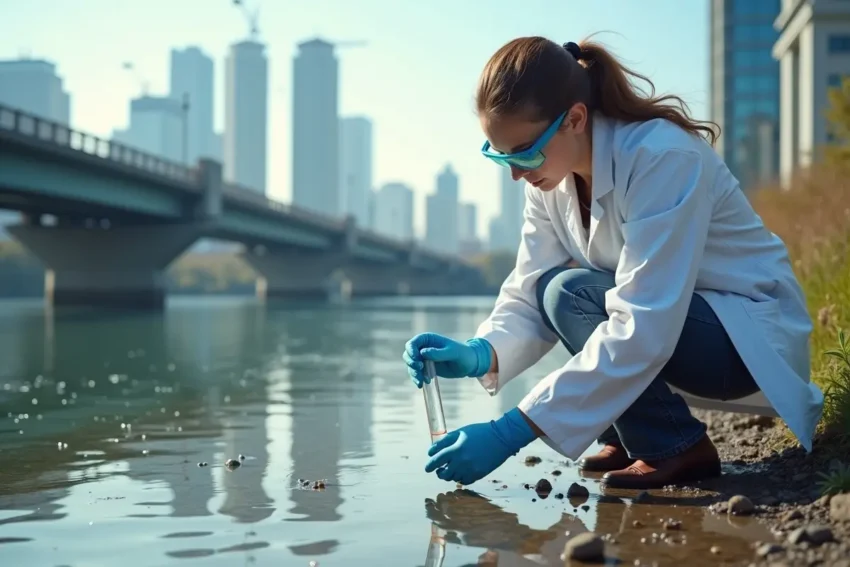
Microplastic, defined as plastic particles smaller than 5 millimeters, have become a widespread contaminant, infiltrating our oceans, rivers, soil, and even the air. Their persistence and pervasiveness present serious risks to aquatic life, ecosystems, and ultimately, human health. Addressing this escalating problem demands more than simple cleanup—it requires new, creative approaches to detection and removal. One innovative approach is the use of microplastic filters, which are engineered to capture even the smallest plastic particles from water sources, offering a proactive solution to minimize their spread and impact.
As researchers and environmental organizations intensify their efforts, advanced solutions continue to emerge, showing tangible promise for reversing some of the damage already done. These strategies range from rapid on-site testing and high-precision analysis to powerful filtration and degradation technologies. All are designed to reduce the health and environmental threats posed by microplastic, which have been linked to disruption across entire ecosystems and potential toxicity to humans through the food chain.
Awareness is growing globally about the need for comprehensive approaches, with stakeholders from academia, government, and industry joining forces to combat this threat. Efforts focus on preventing plastics from entering waterways, developing new methods for removing them, and encouraging broader behavioral and legislative change. The emphasis is now on scalable, long-lasting technologies that not only address current contamination but also prevent future pollution.
Contents
The Urgency of Addressing Microplastic Pollution
Microplastics permeate the most remote parts of the environment, from deep-sea sediments to alpine soils, and even in the atmosphere. Once released, these particles do not break down easily and can persist for centuries. This persistence is aggravating concerns, not only for marine species, which often ingest microplastics, mistaking them for food, but also for humans.
When microplastics enter the food chain, there is potential for bioaccumulation, posing still uncertain long-term health risks to people. Studies have detected microplastics in drinking water, seafood, and even salt, emphasizing their omnipresence and the urgent need for action. Implementing routine microplastics testing in water sources and food products has become a crucial step to monitor contamination levels, identify high-risk areas, and guide mitigation strategies.
Communities living near plastic manufacturing plants, waste sites, and heavily polluted waterways face the highest risks. However, no region is entirely immune. This level of contamination underscores the need to develop both preventive and remedial technologies to safeguard environmental and public health.
Cutting-Edge Detection Methods
The ability to accurately detect and characterize microplastics is fundamental to managing their environmental impact. Traditional detection methods have been limited by labor intensity and inconsistent sensitivity. However, advances have led to the development of high-tech solutions, such as surface plasmon resonance sensors, which use shifts in light to rapidly and efficiently identify a broad spectrum of synthetic polymers.
These tools provide researchers with the high-resolution data needed to assess pollution levels and refine removal strategies. Other breakthroughs include Raman spectroscopy and Fourier-transform infrared (FTIR) spectroscopy, enabling scientists to assess various environments—including drinking water sources and food products—quickly and with high specificity.
These emerging technologies not only increase detection speed but also enable the detection of smaller particles than ever before, shedding light on previously invisible threats. By enhancing our ability to locate and analyze microplastics, these advancements create new opportunities for intervention and global monitoring.
Advanced Removal Technologies
Once detected, targeted removal of microplastics is the next challenge. Enter the era of advanced removal technologies. Hydrogels, for example, have been engineered to bond with microplastics and break them down under UV light. These materials offer an efficient, non-toxic solution that is reusable, making them scalable for large-scale cleanup operations. Additionally, magnetic separation techniques are being refined, in which microplastics are attached to magnetic particles that can be easily separated from water using powerful magnets, reducing downstream ecological risks.
Scientists are also partnering with industry to explore biological approaches, using enzymes or microorganisms that can degrade plastic polymers into harmless components. These biotechnological advances, though still in early stages, have the potential to revolutionize water treatment and remediation. The goal is clear: to develop methods that are economically viable and capable of addressing contamination wherever it occurs.
Innovative Filtration Systems
Filtration technologies represent a critical front in preventing microplastics from reaching natural water systems. The rise of specialized filtration systems—like those using nanomaterials or self-cleaning, hydrodynamic force—has garnered attention for their ability to capture over 90% of particles as small as 50 microns. Unlike traditional screens or mechanical filters, these systems require minimal maintenance and can be integrated directly into washing machines, industrial plants, or municipal water treatment facilities.
Municipalities worldwide are evaluating these technologies for their water management programs, with pilot projects demonstrating marked improvements in microplastic retention. This progress is supported by policy initiatives and increasing consumer demand for products that protect aquatic environments.
Youth-Driven Innovations
Young scientists have become powerful drivers of change in the fight against microplastic pollution. A prime example is Sheyna Patel, a teenager whose development of a cost-effective hydrogel has been shown to remove up to 93% of microplastics from water samples. This invention not only demonstrates ingenuity but also inspires schools and communities to promote hands-on environmental science initiatives.
Encouraging STEM Engagement
These youth-led projects often gain attention at prestigious science competitions and can drive real-world adoption through partnerships with universities and industrial sponsors. In addition to their immediate impact, such innovations encourage a new generation of researchers and activists, bringing energy and fresh ideas to a rapidly evolving field.
Collaborative Efforts and Challenges
Despite technological advances, the scale of microplastic pollution requires multidisciplinary, international cooperation. However, challenges persist regarding scalability, long-term reliability, and the high costs associated with deploying novel solutions. Coordinated regulations, public awareness campaigns, and sustainable product design standards are essential counterparts to scientific innovation. Governments and industry leaders are increasingly aware that only unified, systemic strategies can make a lasting impact.
Conclusion
Tackling the complex challenge of microplastic contamination requires a blend of innovative detection, effective removal, and powerful filtration—scaffolded by cooperation among governments, industry, and communities. As technologies continue to evolve and youth-driven initiatives grow, there is tangible hope for restoring water quality worldwide. Ongoing research, public engagement, and investment in accessible solutions will help protect our ecosystems and health from one of the 21st century’s most pervasive pollutants.