How Proper Industrial Equipment Servicing Maximizes Operational Efficiency
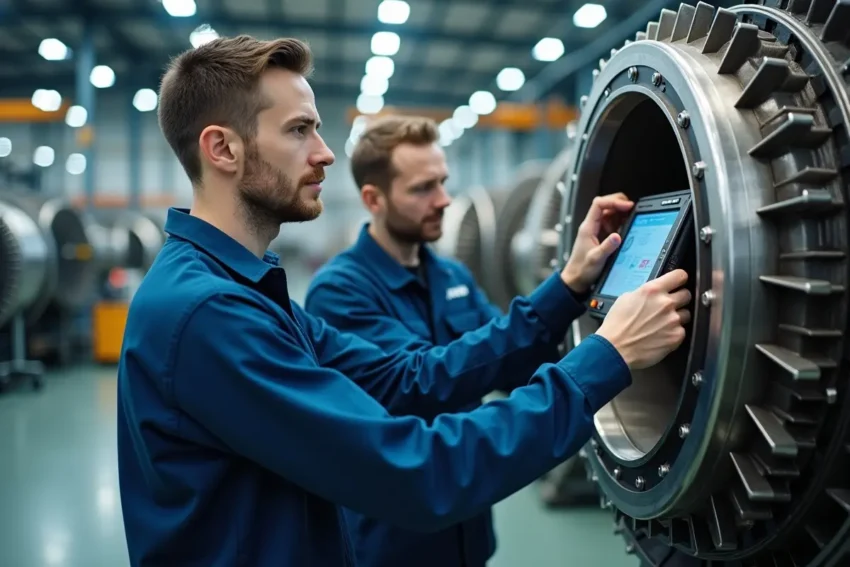
Proper maintenance of industrial equipment is essential for keeping operations running smoothly and efficiently. Regular servicing helps prevent unexpected breakdowns, reduces downtime, and extends the lifespan of machinery. By following a consistent maintenance schedule, facilities can ensure that all equipment performs at its intended capacity, supporting productivity and safety in daily operations. Neglecting maintenance, on the other hand, can lead to inefficiencies, higher repair costs, and delays that affect overall output.
One important aspect of industrial equipment servicing is attention to components that handle critical processes, such as heat exchangers. Tasks like heat exchanger cleaning & regasketing help maintain optimal heat transfer and prevent leaks, which can otherwise reduce efficiency and cause operational disruptions.
Regularly addressing these elements ensures that the equipment operates reliably and safely. Overall, a structured maintenance approach that includes such specific servicing steps contributes to smoother operations, consistent output, and cost savings over time, making it a key part of effective industrial management.
Contents
Minimizing Unexpected Downtime
Unscheduled machinery breakdowns can bring entire production lines to a halt, sometimes for hours or even days. The financial ramifications are substantial, as companies lose not only revenue but also customer confidence and market share. According to industry research, manufacturers lose an average of 323 hours of production per year due to downtime, underscoring the importance of maintenance programs for sustaining workflow continuity.
Preventative maintenance helps identify and resolve issues before they become critical. This proactive approach involves inspections, testing, and scheduled replacement of parts to detect vulnerable components before they fail.
Extending Equipment Lifespan
Consistent servicing ensures that all machine parts remain in optimal condition. Processes such as proper lubrication, alignment, and prompt component replacement keep wear and tear under control. By guarding against excessive stress, facilities reduce their need to invest in expensive replacements and major overhauls. This leads to substantial capital savings over time and increases overall equipment effectiveness (OEE).
Well-maintained equipment can perform reliably for years beyond initial projections, further maximizing the company’s return on investment. Comprehensive service records and regular check-ups form a solid foundation for long-term asset management strategies.
Enhancing Safety Standards
Safe workplaces are a top priority for every responsible business. When machines are well-maintained, the risk of accidents due to unexpected malfunctions decreases significantly. Regularly checking safety interlocks, guards, and emergency stops ensures that these vital mechanisms work as intended, protecting operators and maintenance staff.
In many industries, non-compliance with safety standards can result in serious regulatory penalties and reputational damage. Proactive maintenance supports continuous compliance, minimizing the risk of work stoppages or legal consequences arising from equipment failure.
Reducing Operational Costs
The financial logic behind regular maintenance is compelling. While ongoing service incurs its own costs, these are typically far lower than the expenses associated with emergency repairs, production losses, and frequent equipment replacements. A disciplined approach to maintenance allocates resources efficiently, prioritizing high-risk components and systems.
Companies integrating predictive and proactive maintenance measures have seen overall maintenance costs drop by as much as 30 percent, along with significant reductions in unplanned outages.
Improving Energy Efficiency
Equipment in peak condition naturally operates more efficiently. Friction, blockages, and misaligned components increase energy consumption and diminish output quality. Scheduled servicing ensures that all systems are clean, properly calibrated, and free from inefficiencies, promoting energy conservation and lower operational expenses.
Even minor adjustments or cleanings can result in palpable savings, as energy is often one of the highest ongoing costs for industrial operations. Conserving energy through maintenance aligns with both economic goals and sustainability initiatives, giving companies a dual advantage in a competitive marketplace.
Implementing Predictive Maintenance
Technology is transforming equipment maintenance through predictive tools. Sensors and Industrial Internet of Things (IIoT) platforms now enable real-time monitoring of machine conditions. These systems collect data points, such as vibration, temperature, and operational cycles, which are then analyzed for patterns indicating potential problems.
With predictive maintenance, maintenance teams receive early alerts that allow for timely repairs. This method minimizes both planned and unplanned downtime, reducing the need for emergency maintenance and preventing catastrophic breakdowns. Predictive analytics not only increases equipment reliability but also optimizes service schedules, further enhancing efficiency and lowering maintenance costs.
Training and Skill Development
Regular maintenance programs offer excellent opportunities for workforce training. Through hands-on experience and ongoing instruction, employees become more adept at identifying potential issues, understanding the intricacies of machinery, and performing necessary calibrations. This knowledge transfer fosters a culture of competence and responsibility within the team.
Skilled workers are not only more productive but also contribute to a safer environment by detecting early warning signs and suggesting operational improvements. Developing these capabilities is essential as machinery and technologies advance.
Conclusion
Routine servicing of industrial equipment is a strategic investment supporting operational efficiency, safety, and financial performance. By adopting a systematic maintenance approach, including practices such as heat exchanger servicing and the use of predictive tools, businesses position themselves for sustained success. Industries that prioritize proactive maintenance achieve better uptime, longer asset lifespans, and a competitive edge in a rapidly evolving sector.