Hybrid Workspace Solutions for Tomorrow’s Offices
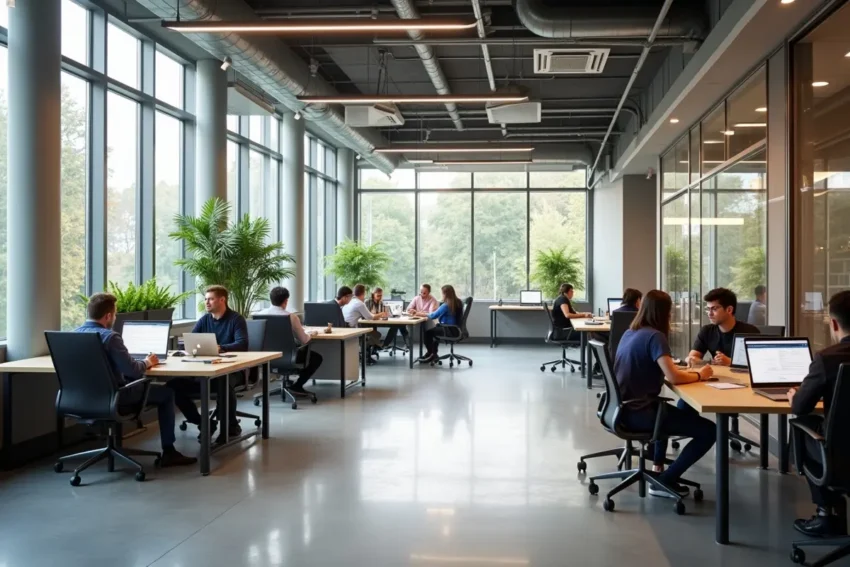
In a rapidly evolving professional landscape, organizations are reimagining their physical offices to better support hybrid work models. Employees now split their time between home and office, prompting businesses to explore effective ways to create flexible, collaborative, and employee-focused environments. Incorporating a smart workplace concept is a strategic move that helps balance in-person interactions with digital connectivity.
As companies plan for offices of the future, aligning workspaces with these new realities is more critical than ever. The need for hybrid workspace solutions is not a passing trend but a reflection of long-term workforce expectations. Employers are seeking to promote adaptability and well-being while ensuring operational efficiency. This involves integrating adaptable design elements and sustainable practices, along with advanced technology that brings teams together regardless of their physical location.
Modern businesses are also recognizing the competitive advantage in prioritizing employee satisfaction. Workspaces that focus on well-being, collaborative opportunities, and productive tools can attract and retain top talent, while also unlocking new levels of performance and innovation. The hybrid office, far from being merely a blend of remote and on-site work, is a deliberately designed environment that empowers employees and meets strategic objectives.
Beyond layout and technology, forward-thinking leaders are turning to industry data and expert research for guidance. Insights from global workplace surveys and design firms reveal a growing consensus: the physical office must evolve into a hub for collaboration, culture, and well-being.
Flexible Office Layouts
Traditional office setups featuring static desks and cubicles are quickly being replaced by adaptable layouts that encourage collaboration and creativity. Modern hybrid offices are designed to accommodate workers’ diverse needs and preferences. Features such as hot-desking stations invite employees to choose where they work on any given day, while adjustable furniture allows each individual to create a personalized and comfortable workspace.
Collaboration pods and meeting zones foster connectivity among colleagues, whether they are in the office or joining virtually. These flexible setups help bridge the gap between in-person and remote interactions, supporting more dynamic team projects, brainstorming sessions, and spontaneous conversations. By allowing for movement, group work, and privacy, flexible layouts contribute to improved morale and greater productivity.
Catering to both remote and in-office staff requires rethinking floor plans and investing in modular design elements that can be reconfigured as needs change. This agility ensures that office environments remain relevant and supportive, regardless of how teams evolve over time. Workplaces that embrace flexibility are better positioned to adapt quickly to shifting business requirements.
Smart Technology Integration
Technology is at the core of every successful hybrid workspace. Smart systems and digital platforms not only streamline workflows but also empower employees to work better together. Meeting rooms equipped with IoT-enabled controls can automatically optimize lighting and climate, ensuring comfort and reducing energy consumption.
Virtual whiteboards and cloud collaboration tools allow real-time idea sharing, breaking down barriers between on-site and remote contributors. AI-driven scheduling assistants and resource management software eliminate the friction of booking conference rooms or managing team calendars, turning what was once a logistical challenge into a seamless experience.
As artificial intelligence and automation advance, offices equipped with these technologies can focus on deeper collaboration and innovation while handling routine tasks more efficiently. Companies that prioritize smart office technologies see measurable increases in both productivity and employee engagement.
Employee Well-being
Support for physical and mental health is foundational to any successful hybrid workspace strategy. Forward-thinking offices are prioritizing ergonomic workstations that minimize discomfort and maximize access to natural lighting, which is linked to elevated mood and energy. Quiet zones and designated wellness areas provide employees with options for focused solo work or relaxation, addressing the growing need for work-life balance.
Building an environment where employees feel safe, supported, and valued directly translates into higher satisfaction, lower absenteeism, and stronger results. The American Psychological Association notes that prioritizing employee well-being leads to more resilient, engaged, and high-performing teams.
Conclusion
Hybrid workspace solutions are reshaping how companies approach the role of the office. By embracing flexible layouts, integrating smart technology, and prioritizing employee well-being, forward-looking organizations create environments where diverse work styles can flourish. In doing so, they enable collaboration, foster innovation, and position themselves to succeed in a continually changing business landscape.