How to Fix Water Damage Under Sink
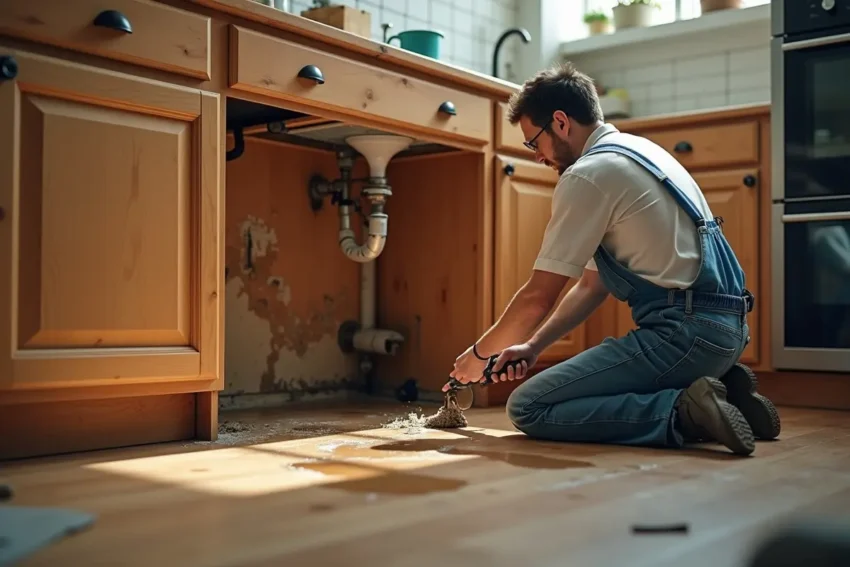
Water damage under the sink is a common issue for homeowners, often leading to costly repairs if not addressed promptly. Knowing how to fix water damage under sink is essential for maintaining a safe and dry home. Implementing effective repair strategies can help reduce potential damage and repair costs.
Water damage frequently occurs in kitchens and bathrooms due to constant exposure to moisture. Poor design choices can exacerbate these issues, leading to expensive repairs. By understanding the causes and implementing repair solutions, you can effectively mitigate these risks and protect your home.
Collaborating with professionals ensures that any existing damage is assessed and addressed thoroughly. For those needing expert assistance, a water damage public adjuster can provide valuable guidance in managing and resolving such issues. Homeowners often wonder how to fix water damage under sink to avoid escalating repair costs.
Contents
Identifying causes of water damage under the sink
Kitchens and bathrooms are particularly susceptible to water-related issues because of their frequent exposure to moisture. These areas often experience leaks, condensation and even water under sink but no leak and these situations can lead to significant problems if not addressed promptly. Contributing factors include poor ventilation, inadequate material selection, and lack of regular maintenance checks. These conditions allow water to seep into cabinetry or floors, causing long-term structural issues.
Recognizing the common causes of water damage enables you to take proactive steps in prevention. Outdated plumbing systems or improper sealing around sinks and tubs often lead to undetected leaks. Addressing these vulnerabilities through regular inspections can prevent minor issues from becoming major headaches. Investing in quality materials and modern fixtures also plays a vital role in minimizing the risk of water damage.
Repair techniques for water damage under the sink
Effective repair strategies are crucial in addressing water damage within your home’s most vulnerable areas. One such strategy involves ensuring proper ventilation in spaces like bathrooms and kitchens. Adequate air circulation helps reduce humidity levels, preventing condensation buildup that could lead to mold growth or structural deterioration. Installing high-quality exhaust fans and opening windows regularly are simple yet effective measures.
Another effective approach is incorporating waterproof materials into your home’s repair plan. Opting for moisture-resistant flooring such as vinyl or ceramic tiles can protect against spills and leaks. Raised cabinetry designs elevate cabinets above the floor level, minimizing direct exposure to potential water accumulation. These thoughtful repair choices not only enhance functionality but also extend the longevity of your home’s interior elements.
Selecting the right materials for repair
Choosing appropriate materials is essential in repairing water damage under sinks and other susceptible areas. Waterproof sealants around sinks and countertops act as barriers against moisture penetration, providing an additional layer of protection. Utilizing sustainable materials like bamboo or recycled tiles not only contributes to environmental conservation but also offers durability against moisture exposure.
Modern innovations in material technology provide homeowners with a variety of options that balance aesthetics and practicality. Opt for non-porous surfaces that resist stains and warping over time. These choices significantly reduce maintenance needs while preserving the visual appeal of your living spaces. By prioritizing durable, water-resistant materials, you create a resilient barrier against potential water damage.
Practical tips to safeguard your home
Homeowners can adopt several practical measures to reinforce their home’s defense against water damage. Regular maintenance checks are paramount; inspect plumbing fixtures periodically for signs of wear or leaks. Early detection of issues prevents escalation into more severe problems.
Incorporating these strategies into your routine helps maintain a dry and secure living environment. Schedule professional inspections annually to ensure all systems function optimally and address any concerns promptly. These proactive steps preserve your home’s integrity while offering peace of mind against unforeseen water-related challenges.