How Technology Is Shaping the Future of Home Buying
Technology is reshaping the real estate industry at an unprecedented pace, transforming the way buyers search, evaluate, and purchase homes. In the past, finding the perfect house meant sifting through newspapers and visiting multiple properties in person, a process that was both time-consuming and stressful.
Now, with the emergence of immersive virtual tours, intelligent recommendation algorithms, and secure digital transactions, the home buying process is not just more efficient but also more transparent and tailored than ever before.
Homebuyers can work seamlessly with mortgage brokers, real estate agents, legal advisors, and other industry professionals, often without ever leaving their current residence. Whether searching for a dream home in a neighboring city or across the globe, the process is accessible from almost anywhere with an internet connection.
Technological advancements have simplified real estate transactions by eliminating barriers such as distance, limited data access, and excessive paperwork. Buyers now benefit from online listings, real-time analytics, and digital communication tools, which enhance their decision-making and reduce stress. Innovations such as blockchain and smart home devices offer greater security and efficiency, transforming the real estate landscape and providing a new level of convenience and customization for homeowners.
Contents
- 1 Virtual and Augmented Reality: Touring Homes from Anywhere
- 2 Artificial Intelligence: Personalized Recommendations and Market Insights
- 3 Blockchain: Secure and Transparent Transactions
- 4 Smart Homes and IoT: Enhancing Property Appeal
- 5 Online Platforms and Mobile Apps: Streamlining the Search Process
- 6 Data Analytics: Informed Decision-Making
- 7 Conclusion
Virtual and Augmented Reality: Touring Homes from Anywhere
Virtual reality (VR) and augmented reality (AR) are revolutionizing the homebuying process by allowing buyers to virtually step inside potential properties without physically being present. Sophisticated VR tours deliver lifelike, interactive walkthroughs of homes on laptops, smartphones, or VR headsets, giving prospective buyers a sense of space, layout, and atmosphere before they even arrange a showing.
This technology significantly reduces the number of unnecessary in-person visits, saving valuable time for both busy buyers and sellers. It also opens new possibilities for those relocating from another city, state, or even country, enabling them to confidently shortlist their top choices remotely. Additionally, AR enables buyers to visualize renovations or interior changes before committing, making it easier to envision a property’s true potential and make informed decisions.
Artificial Intelligence: Personalized Recommendations and Market Insights
Artificial intelligence (AI) is revolutionizing the real estate market by using vast datasets and sophisticated algorithms to offer highly personalized home recommendations and predictive market analysis. Unlike the manual searching methods of the past, AI-powered solutions can assess a buyer’s preferences, previous search history, and financial circumstances to suggest properties that truly align with their unique needs automatically.
The integration of AI extends beyond mere suggestions, providing insights into pricing, neighborhood trends, and future property values. AI tools can forecast market shifts, identify promising opportunities, and predict the optimal time to buy or sell, granting homebuyers a potent data-driven edge that leads to smarter investments and increased confidence throughout the entire transaction process.
Blockchain: Secure and Transparent Transactions
Blockchain technology is introducing new standards for security, efficiency, and trust to the real estate sector. By utilizing decentralized digital ledgers, blockchain enables direct, peer-to-peer transactions that are nearly impossible to tamper with, minimizing the risk of fraud and reducing reliance on multiple intermediaries. The use of smart contracts—automated digital agreements that activate when predefined conditions are met—streamlines and expedites property transactions.
This not only eliminates a great deal of paperwork but also increases confidence that each step of the deal is executed exactly as agreed. According to Forbes, blockchain-backed deals typically result in lower transaction costs, fewer delays, and unprecedented levels of transparency—factors that are rapidly building trust and driving adoption throughout the property industry.
Smart Homes and IoT: Enhancing Property Appeal
The integration of smart technologies and Internet of Things (IoT) devices has transformed what it means to live comfortably and securely in your home. Today’s buyers are increasingly seeking features like automated lighting, energy-efficient climate control, voice-activated assistants, smart locks, and HD surveillance systems, all of which contribute to both convenience and peace of mind. These devices can be monitored and controlled remotely through smartphones or smart home hubs, enabling residents to manage every aspect of their home easily.
For homeowners, incorporating smart features increases property value and appeal, particularly among younger or tech-savvy buyers who prioritize efficiency, sustainability, and security. Fast, reliable connectivity is important to powering these devices, and solutions like fiber internet ensure seamless performance for streaming, remote work, gaming, and smart home management. The shift towards connected homes illustrates not just a trend but a broader movement towards more intelligent, responsive living environments that align with our modern lifestyles.
Online Platforms and Mobile Apps: Streamlining the Search Process
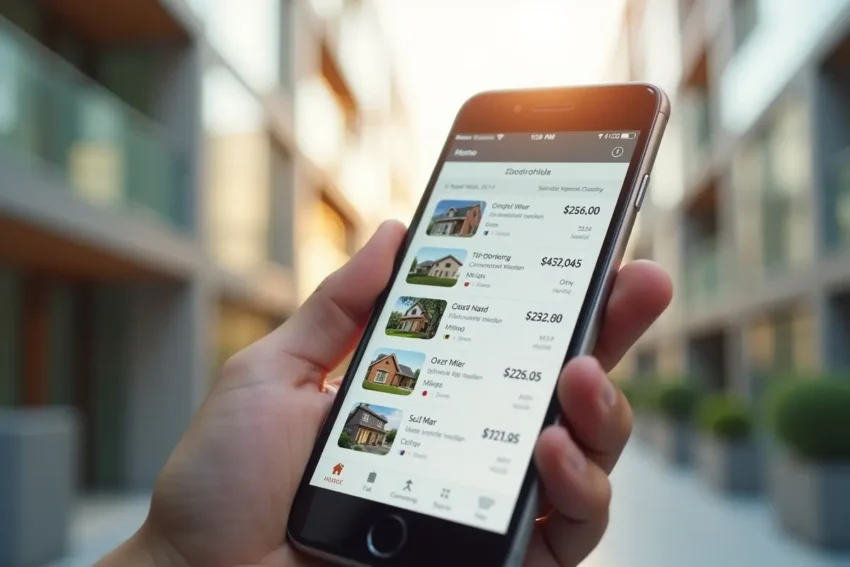
Real estate search has become a fast-paced, digital-first experience driven by powerful online platforms and intuitive mobile applications. These tools allow buyers to quickly sift through thousands of up-to-date property listings, using filters to target homes that fit their precise criteria. High-resolution images, 3D walkthroughs, virtual open houses, and detailed neighborhood data are readily available, eliminating much of the guesswork that once defined the home-buying journey.
Buyers can schedule showings, communicate directly with agents, upload documents, and track transaction progress—all within a single, accessible app. This streamlined approach simplifies every phase of the process, giving buyers far more control and information at their fingertips.
Data Analytics: Informed Decision-Making
Big data analytics provide unprecedented insight into the real estate market for buyers, investors, and industry professionals alike. By aggregating and analyzing historical sales, neighborhood demographics, housing inventory, and price fluctuation trends, big data enables the identification of emerging hotspots, warning signs, or undervalued opportunities.
Buyers can utilize this intelligence to more accurately predict future appreciation or risk, enabling them to make more strategic investments and avoid costly mistakes. Developers and urban planners also benefit, as data-driven insights help with forecasting demand, planning infrastructure, and maximizing property values. Ultimately, the ability to make decisions based on comprehensive, real-time analytics means less uncertainty, fewer surprises, and a more streamlined, informed real estate experience for everyone involved.
Conclusion
The future of home buying is evolving rapidly as technology continues to create smarter, faster, and more customer-centric solutions. From exploring homes in stunning virtual reality to finalizing blockchain-backed deals, digital innovations are truly simplifying and personalizing the journey for every kind of buyer.
These advancements empower individuals with unprecedented tools and insights, transforming what was once a daunting process into an accessible and informed experience. Embracing technology not only streamlines each stage of the home-buying process but also enables buyers to make choices with greater confidence, clarity, and peace of mind as they take the next step in their homeownership journey.