Heating System Efficiency Tips for Every Home
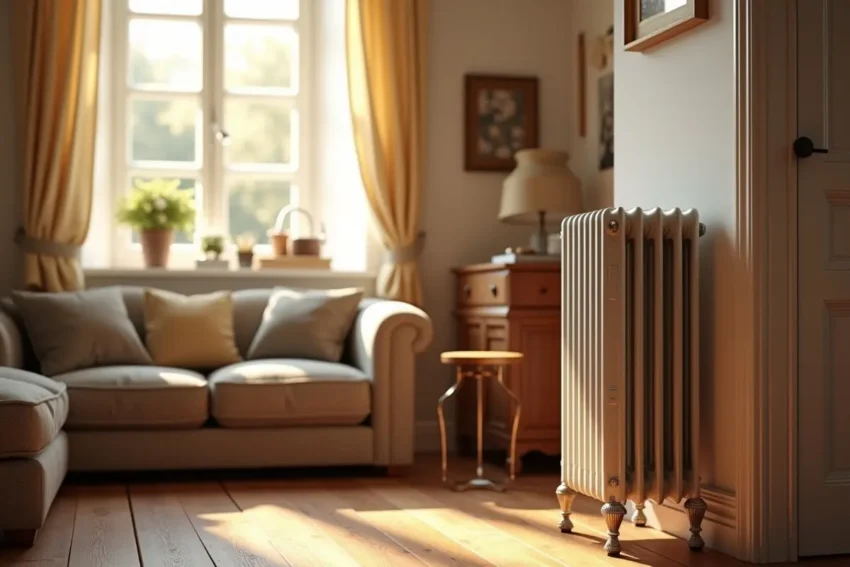
Properly maintaining your home’s heating system ensures consistent comfort through chilly months and can translate to substantial savings on your utility bills. Whether you’re using a furnace, heat pump, or boiler, applying best practices for heating homes in Utah and beyond will help optimize system performance and energy use. These methods not only extend the life of your equipment but also create a healthier and more energy-efficient environment.
From routine check-ups to smart home technology, minor changes today can have a lasting impact on your home’s warmth and energy consumption. Understanding the key elements of efficient heating will help you avoid common pitfalls and unlock your system’s full potential while keeping costs and environmental impact low.
Contents
Regular Maintenance and Filter Replacement
Heating systems require ongoing care for reliable, energy-efficient operation. An annual inspection and tune-up by a certified technician can catch potential problems early, helping prevent costly breakdowns in peak season. One of the simplest yet most effective steps is to change or clean air filters every 1 to 3 months. Dirty filters impede airflow, forcing the system to work harder and reducing efficiency and air quality.
Utilizing Smart Thermostats
Smart thermostats have revolutionized how homeowners manage their home’s climate. These advanced devices learn your routines, sense occupancy, and can be controlled remotely via smartphone apps. For a comprehensive look at how they work and why they’re worth considering, check out this guide from This Old House. By automating temperature setbacks when you’re away or asleep, smart thermostats help prevent unnecessary heating and cooling, yielding up to 10% savings annually on energy costs. They also provide valuable insights into your usage patterns, empowering you to set realistic targets for further savings.
Sealing Air Leaks and Enhancing Insulation
Even the most advanced heating system loses efficiency if your home isn’t properly sealed. Gaps and cracks around doors, windows, or ductwork allow heat to escape and cold drafts to enter, forcing your system to use more energy than necessary. Sealing these leaks with caulk, weatherstripping, or foam can make an immediate difference. Upgrading insulation in attics, basements, and walls further helps maintain consistent indoor temperatures. These improvements not only reduce energy bills but also boost home comfort and resale value. A well-insulated home complies with modern building guidelines and contributes to quieter interiors.
Upgrading to Energy-Efficient Equipment
If your heating system is over a decade old or requires frequent repairs, an upgrade could pay dividends. Modern high-efficiency furnaces and heat pumps, especially those with ENERGY STAR certification, use advanced technologies to minimize fuel consumption and emissions. Look for systems with high Annual Fuel Utilization Efficiency (AFUE) ratings to ensure the most heat for every energy dollar spent. While initial costs might be sizable, substantial ongoing energy savings, improved comfort, and eligibility for rebates or tax incentives offset the investment.
Optimizing Thermostat Settings
Simple thermostat adjustments can have a noticeable impact on utility bills. The U.S. Department of Energy recommends keeping your thermostat at 68°F (20°C) when at home and lowering it by 7–10°F for at least 8 hours a day (such as while you sleep or at work) to achieve up to 10% savings on heating costs. These temporary setbacks take advantage of natural adaptation to cooler temperatures during rest, without compromising your overall comfort. Pairing these habits with a programmable thermostat makes the process seamless.
Ensuring Proper Ventilation
Good airflow is essential for efficient heating. Blocked or obstructed vents reduce heating effectiveness, causing the system to work harder and increasing wear. Periodically check that furniture, curtains, and rugs aren’t impeding any registers. In rooms that require extra circulation, use ceiling fans set to clockwise at low speed to distribute warm air evenly, which rises to the ceiling, promoting consistent warmth throughout your living spaces.
Leveraging Natural Heat Sources
Simple habits can supplement your heating system’s output—open curtains or blinds on south-facing windows during sunny days to let natural sunlight warm your home. Close them at night to insulate against the cold. Passive heating like this cuts down reliance on artificial sources and can significantly reduce daytime energy use, particularly in regions with frequent sunny winter days.
Scheduling Professional Energy Audits
Consider an energy audit to assess your home’s energy performance. Auditors can identify insulation gaps, inefficient appliances, or design issues that might be driving up your costs. Many utility providers offer these inspections at reduced rates or as part of incentive programs. Acting on audit recommendations can make all the difference for your comfort and long-term savings.
By following these best practices, you can ensure your heating system delivers optimal comfort, operates efficiently, and saves on your energy bills for many winters to come.