How Functional Design Shapes Modern Agricultural Buildings
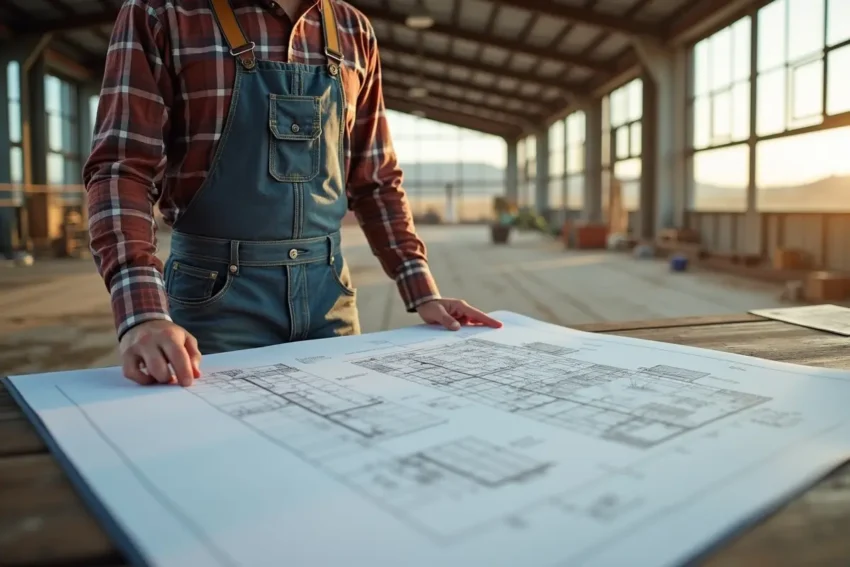
Functional design is no longer a convenience on modern farms. It is the foundation that keeps agricultural operations productive and dependable. As workloads grow, timelines tighten, and costs rise, every farm structure must support efficiency and reduce unnecessary strain. A well-planned building saves time, lowers expenses, and prevents avoidable problems over many seasons.
A thoughtful layout, durable materials, and purpose-driven planning all contribute to a smoother workflow. From machine sheds that safeguard essential equipment to barns, workshops, and storage structures, every building has a clear role. When these buildings are intentionally designed, they last longer and help farmers work more effectively and safely.
Contents
- 1 Machine Sheds: A Core Example of Function-First Design
- 2 Designing Agricultural Buildings With Efficiency in Mind
- 3 Materials and Durability in Modern Farm Construction
- 4 Smart Technology and Modern Innovations
- 5 Sustainability and Farm-Friendly Environmental Design
- 6 Intentional Design Builds a Stronger Farm
Machine Sheds: A Core Example of Function-First Design
Machine sheds are one of the strongest examples of how function-first design directly supports daily farm work. These structures do far more than store equipment. They protect some of a farmer’s most valuable investments from harsh weather, wear, and potential theft. By keeping tractors, combines, and implements under cover, well-built machine sheds reduce downtime and help lower maintenance costs. These savings become significant over the course of a year.
The design of these sheds focuses on making everyday tasks easier. Clear span interiors create wide open space that allows large equipment to move freely without squeezing through tight areas or disconnecting parts. High and wide doors also simplify entry and exit for oversized machinery. Good ventilation and proper lighting improve safety and comfort whether you are parking equipment, performing repairs, or completing routine checks.
Placement plays an important role as well. A machine shed positioned close to fields, drive paths, or a workshop saves time and extra steps throughout the day. Equipment that is organized and easy to reach helps farmers start work faster and stay efficient. In practice, a machine shed that is designed with intention supports the entire workflow of the farm, not just equipment storage.
Designing Agricultural Buildings With Efficiency in Mind
Designing agricultural buildings with efficiency in mind requires looking closely at layout, workflow, and functionality. A strong design helps the farmer rather than slowing down daily tasks. Smart planning begins with understanding how people and equipment move throughout the space. Storage, processing, and work areas should be arranged so that activities flow naturally and time is not wasted.
Material selection also plays a major part in long-term performance. Choosing durable materials helps reduce maintenance and energy use. Good insulation, passive design strategies, and efficient lighting systems lower utility costs and create more comfortable working conditions. These features also help buildings perform reliably in changing weather.
Building orientation and site placement are equally important. Structures that take advantage of natural light and wind patterns require less artificial lighting or forced ventilation. This lowers energy consumption and helps the building remain comfortable during long workdays. By reducing wasted space and aligning structures with the landscape, farms can boost productivity and support healthier operations.
A building that fits the rhythm of the farm makes daily work easier and more predictable. When every detail supports efficiency, the entire operation becomes more resilient.
Materials and Durability in Modern Farm Construction
Choosing the right materials is about far more than initial cost. It is a long-term investment in durability, safety, and performance. Steel has become one of the most common choices for agricultural buildings because it resists corrosion, handles harsh weather, and requires very little upkeep. A well-designed steel structure often lasts longer than timber or uncoated metal, which reduces long-term repair needs and lowers the total cost of ownership.
Modern coatings and pre-engineered panels help buildings stay sealed, ventilated, and protected from wear. These systems limit drafts, heat loss, and moisture buildup. They also reduce the time needed for repairs, which is essential on a busy farm where downtime directly affects profitability.
Selecting materials that stand up to daily demands ensures that the building works as hard as the farmer. A structure built for durability supports operations year after year without becoming a burden.
Smart Technology and Modern Innovations
Smart technology is becoming a powerful tool in agricultural building design. Smart sensors and IoT devices allow farmers to monitor building temperature, equipment movement, and environmental conditions in real time. These tools help identify issues early and support more efficient use of resources.
Automated lighting, climate control, and security features turn farm structures into responsive, intelligent spaces. Sensors can track when doors open, machinery moves, or unusual activity occurs in storage areas. This enhances safety and reduces risk without adding extra tasks to the farmer’s workload.
Smart design does not have to be complex. It simply uses innovation to create buildings that support the farmer and promote consistency throughout the day. When technology works alongside durable construction, the result is a safer and more efficient operation.
Sustainability and Farm-Friendly Environmental Design
Sustainable agricultural design focuses on building systems that respect the land and support long-term resilience. Environmentally conscious choices help farms reduce waste, conserve energy, and lower operating costs. Using materials such as recyclable steel and low-impact components keeps structures environmentally responsible while still strong and reliable.
Thoughtful building orientation improves natural ventilation and lighting, which reduces reliance on mechanical systems. Proper site placement also protects soil health by limiting land disturbance and managing drainage effectively. When structures are aligned with sun patterns and prevailing winds, they function more efficiently and support the overall health of the farm.
A sustainably designed building performs well on paper and in daily work. It reduces the environmental footprint of the operation while improving overall functionality.
Intentional Design Builds a Stronger Farm
Functional design is ultimately about creating better days on the farm. Buildings that are planned with purpose, built with durable materials, and designed to support actual daily tasks contribute to smoother operations and safer environments. Thoughtful choices made today help farms remain efficient, resilient, and sustainable for many years to come.
When agricultural buildings work in harmony with the people who use them, the entire operation becomes more productive and dependable. Intentional design creates structures that support growth, reduce stress, and strengthen the future of the farm.