The Structure of Reunions: Why Familiar Faces Create Instant Connection
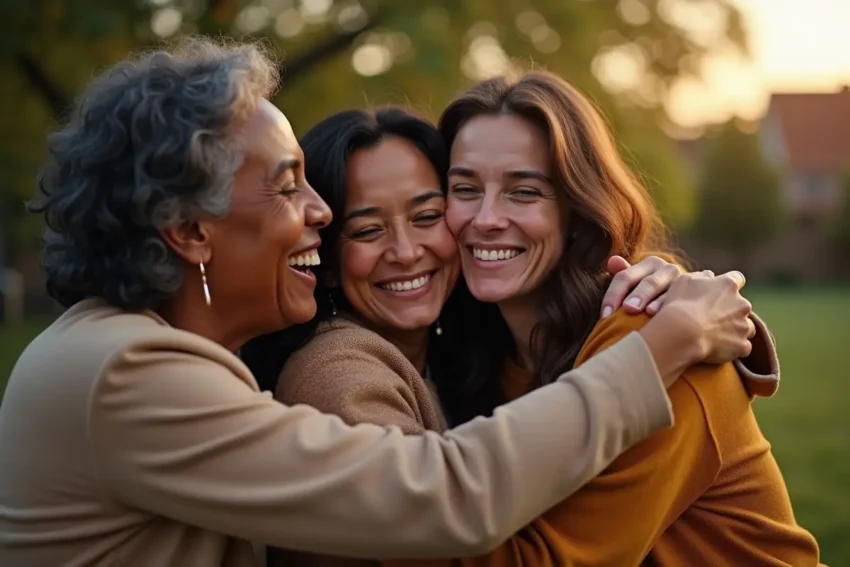
Reunions have a unique ability to bring people together in ways that feel surprisingly effortless. Even after decades apart, familiar faces can spark instant recognition, comfort, and conversation. This sense of connection is not accidental. Reunions follow an unspoken structure that taps into shared history, memory, and identity, making reconnection feel natural rather than forced.
Contents
- 1 Shared History Creates Immediate Common Ground
- 2 Familiar Faces Trigger Emotional Memory
- 3 Predictable Settings Reduce Social Pressure
- 4 Group Identity Strengthens Individual Bonds
- 5 Memory Anchors Help Conversations Flow
- 6 Time Adds Perspective Rather Than Distance
- 7 Familiarity Encourages Authentic Interaction
- 8 Structure Turns Nostalgia Into Connection
One of the strongest foundations of any reunion is shared experience. Attending the same school, walking the same corridors, and living through similar milestones creates an instant baseline of understanding. Unlike meeting someone new, there is no need to establish background or context. The history already exists, and that familiarity removes many social barriers.
This shared past allows conversations to begin easily. A mention of a teacher, a school event, or even a familiar classroom can immediately anchor people in a collective memory that feels safe and recognizable.
Familiar Faces Trigger Emotional Memory
Seeing someone from the past often activates emotional memory as much as factual memory. Faces linked to formative years can evoke feelings of belonging, confidence, and nostalgia. These emotional responses help explain why reunions often feel warm and meaningful, even when relationships were not particularly close at the time.
The brain associates familiar faces with a known environment, reducing the uncertainty that usually accompanies social interaction. This is why conversations at reunions tend to flow more freely than expected.
Predictable Settings Reduce Social Pressure
Reunions usually take place in structured environments such as school halls, community centers, or organized events. This predictability matters. When people know why they are there and what to expect, social anxiety is reduced.
The event itself provides a reason to talk. Conversations are framed around shared experiences rather than personal introductions, which removes pressure and allows interactions to unfold naturally.
Group Identity Strengthens Individual Bonds
Reunions are not just about individual relationships. They reinforce a sense of group identity. Being part of a specific year group or school creates a collective label that people still recognize years later. This group identity makes individuals feel connected to something larger than themselves.
That sense of belonging often encourages openness and friendliness, even between people who did not interact much in the past.
Memory Anchors Help Conversations Flow
Objects and references play a quiet but important role in reunion structure. Yearbooks, photographs, school mottos, and shared stories act as memory anchors. They give conversations direction and depth without requiring effort.
Platforms like Classmates extend this idea beyond physical reunions by organizing memories, names, and shared timelines in one place. This structure helps people reconnect gradually and comfortably, even before meeting in person.
Time Adds Perspective Rather Than Distance
Interestingly, time often strengthens reunion connections rather than weakening them. Distance and life experience add perspective, allowing people to reconnect without old social hierarchies or pressures. Former classmates meet again as adults, often with greater empathy and openness.
This shift explains why reunions can feel more meaningful than everyday social encounters. The connection is rooted in the past but shaped by growth.
Familiarity Encourages Authentic Interaction
Because reunions are built on familiarity, people tend to present themselves more authentically. There is less need to impress and more space for honesty. Conversations often move quickly beyond surface-level topics and into shared reflection.
This authenticity is a key reason reunions leave lasting impressions. They allow people to reconnect not just with others, but with earlier versions of themselves.
Structure Turns Nostalgia Into Connection
Reunions work because they are structured around shared memory, familiar faces, and a clear purpose. These elements combine to create an instant connection without awkwardness. Whether through organized events or digital platforms that preserve shared history, the structure itself does much of the social work.
Familiar faces remind people where they came from, while shared experiences make reconnection feel natural. That balance is what gives reunions their enduring power and emotional resonance.