Essential Furnace Installation Tips for Every Homeowner
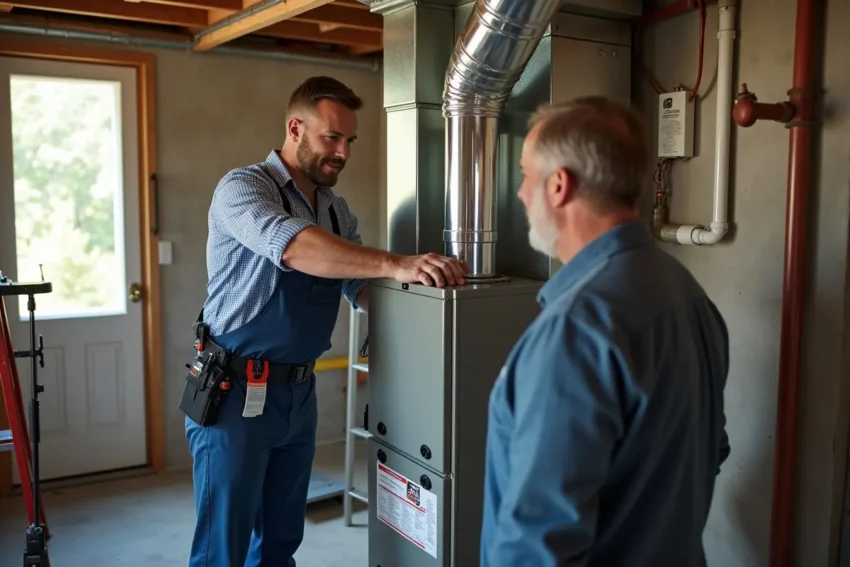
When it comes to maintaining indoor comfort and controlling energy costs, few investments are as critical as installing a new furnace. Whether you’re upgrading an outdated system, building a new home, or simply trying to stay warm during the harsh Ottawa winters, it’s vital to ensure your furnace is installed correctly from the start.
Understanding the furnace installation process can save money, boost efficiency, and extend the lifespan of your system. If you’re considering an Ottawa furnace installation, being well-prepared can help you avoid common pitfalls and ensure optimal home heating throughout the entire season.
Proper installation isn’t just about hooking up a new appliance. It’s a holistic process that involves selecting the right furnace for your needs, ensuring your home is prepared, and prioritizing safety. With this comprehensive guide, you’ll discover expert tips and must-know steps that safeguard your comfort and peace of mind throughout the heating season.
From selecting the most suitable furnace type to navigating efficiency ratings and avoiding common mistakes, these essential furnace installation tips are designed to provide homeowners with the knowledge needed to make informed decisions and ensure long-term heating reliability.
Regardless of the size or age of your house, or whether you’re handling a self-managed renovation or hiring a professional installer, the advice outlined below will set your project up for success and contribute to a safer, warmer home.
Contents
Understanding Furnace Types
Selecting the right furnace starts with knowing the key types available on the market. Each heating solution offers unique benefits, dependencies, and cost factors that may influence your decision:
- Gas Furnaces: Fueled by natural gas, these furnaces are a favorite for their efficient and economical operation, especially in areas with established gas lines. They provide fast, powerful heating and typically enjoy longer lifespans.
- Electric Furnaces: While they offer near-universal compatibility and lower upfront installation costs, electric models can be more expensive to operate depending on electricity rates in your region. They’re a fit for homes without gas access or where ease of maintenance is a priority.
- Propane Furnaces: Ideal for rural or off-grid homes, propane models operate similarly to gas furnaces but use propane tanks as their energy source. This flexibility makes them valuable for properties without municipal gas supplies.
Assess your home’s infrastructure, local energy prices, and long-term usage to select the furnace type that offers the best overall value and reliability for your specific needs. For an in-depth comparison of heating system types, the U.S. Department of Energy provides an excellent resource on furnace and boiler efficiency.
Importance of Proper Sizing and Efficiency
The performance and longevity of your heating system hinge on proper sizing and efficiency. A furnace that is too large will cycle on and off frequently, wearing components faster and wasting energy. Conversely, an undersized system will struggle to provide adequate warmth, leading to continuous operation and higher utility bills.
- Home Square Footage: Always base furnace size on the total area needing heat, including finished basements and additions.
- Insulation Quality: Homes with modern insulation retain heat more effectively and may require smaller heating units.
- Climate Zone: Extreme climates require furnaces that can deliver sustained, adequate heat.
Professional HVAC contractors can perform a “Manual J” calculation to pinpoint your home’s exact heating requirements. Prioritize units with a high Annual Fuel Utilization Efficiency (AFUE) rating, as these guarantee higher energy savings over time. The Environmental Protection Agency offers additional insights into ENERGY STAR-rated furnaces and their benefits.
Preparing Your Home for Installation
Adequate preparation helps facilitate a seamless and safe installation. These steps play a vital role in enhancing furnace performance while minimizing delays:
- Clear the Installation Area: Remove clutter, storage, and anything flammable from the furnace’s designated space. This ensures both safety and adequate airflow.
- Inspect Ductwork: Conduct a thorough examination for leaks, blockages, or deterioration in your ductwork. Make any necessary repairs before installation to maximize system efficiency.
- Upgrade Insulation: Particularly in older homes, boosting wall and attic insulation can drastically improve heat retention, reducing the stress on your new furnace and lowering overall heating costs.
Stay proactive—addressing these details with your installation contractor will ensure you enjoy the full benefits of your heating system from day one.
Common Installation Mistakes to Avoid
Even quality furnaces will underperform or suffer costly breakdowns if installed poorly. Avoiding these common mistakes can protect your investment:
- Improper Ductwork Design: Mismatched duct sizing or improper sealing can lead to uneven heating, higher utility bills, and unnecessary strain on the system. Duct design should be tailored specifically to your furnace and home layout.
- Ignoring Ventilation Requirements: Adequate ventilation is critical not only for performance but also for safety, as it prevents the accumulation of dangerous gases such as carbon monoxide indoors. Always follow local codes and manufacturer instructions.
- Incorrect Thermostat Placement: Position the thermostat in a central area away from direct sunlight, drafts, or registers. Incorrect placement can lead to inefficient cycling and temperature fluctuations.
Awareness of these pitfalls empowers you to ask the right questions and verify that the job is done correctly during your installation process.
Safety Measures During and After Installation
Heating safety should never be an afterthought. Take these essential precautions to protect your home and your loved ones throughout the heating season:
- Install Carbon Monoxide Detectors: Always place detectors outside sleeping areas and test them monthly to ensure early warning of any leak or buildup.
- Schedule Regular Maintenance: Have your system checked annually by a certified HVAC technician. Preventive maintenance can catch issues before they become emergencies.
- Keep the Furnace Area Clear: Maintain a clearance of at least three feet on all sides of your furnace to reduce fire risks and ensure proper air movement.
Being diligent about HVAC safety and routine inspections pays off through enhanced system reliability and peace of mind.
Conclusion
Proper furnace installation is a cornerstone of a cozy, efficient, and safe home. By educating yourself about furnace options, validating sizing and efficiency, preparing your home, avoiding common installation errors, and upholding safety requirements, you set your heating system up for years of dependable service. Always work with experienced professionals, follow trusted industry guidelines, and invest in regular maintenance to keep your furnace operating at its best—through every winter ahead.