Employee’s Guide to Personalizing Shared Office Space
Creating a personalized environment in shared office spaces fosters employee ownership and encourages collaboration. It helps transform a plain work environment into a more inviting space, where everyone feels motivated. Bringing small personal touches into communal zones can also reduce stress and create a sense of belonging.
When people see their ideas reflected in décor or room layout, they often take more responsibility for keeping the space organized. That extra layer of ownership can boost morale, enhance team spirit, and fuel productivity. Once every individual has a role in shaping the workplace, genuine cooperation tends to follow more naturally.
Contents
- 1 Why Personal Touch Matters in a Busy Workplace
- 2 Blending Style and Functionality for Employee Productivity
- 3 Fostering Collaborative Environment Through Common Areas
- 4 Organizing Personal Space Without Clutter
- 5 Encouraging Employee Well-Being Through Personalization
- 6 Tapping Into Technology for Modern Work Styles
- 7 Maximizing Your Office’s Potential Through Personalization
Why Personal Touch Matters in a Busy Workplace
A shared workspace often means accommodating various workstyles, interests, and comfort levels. Including personal elements lets everyone feel heard and appreciated in an environment designed to serve different roles. Whether someone prefers colorful accessories or understated decorations, blending these details can form a unified but personalized aesthetic.
Personal touches may also reduce the feeling of constant hustle and help employees slow down for a moment. Small items like family photos or scented desk plants can take the chill off an impersonal environment. This sense of warmth can boost employee well-being and lower stress during jam-packed days.
Enhancing Team Morale with Individual Choices
Team morale thrives when each person feels valued. When employees are free to place a few mementos or small décor items around them, it humanizes the entire workplace. It’s not strictly about the look but about the way it fosters connections. Co-workers can strike up conversations about each other’s personal items, leading to stronger bonds and deeper trust.
Encouraging meaningful choices also helps break down communication barriers. People often open up when they have colorful or interesting conversation starters within sight. By supporting these small acts of self-expression, the office becomes a space that celebrates unique personalities.
Blending Style and Functionality for Employee Productivity
Creating a harmonious balance between visual appeal and practical needs is key. Such as providing comfortable chair covers to choose from for office seats and ergonomic desks. This along with stylish storage solutions, shows that the office values both efficiency and aesthetics. Striking the right combination can motivate employees to stay focused during deadlines without sacrificing comfort.
It can help to organize different zones for specific purposes. Some teams may prefer a lounge area for brainstorming sessions, while others might like a quieter corner for intense projects. By considering staff preferences and daily tasks, the office naturally evolves into a more functional setting where personalization continues to play a vital role.
Choosing the Right Color Palette
Color psychology can have a powerful effect on mood and energy levels. Warm hues like earthy browns or subtle oranges might encourage dialogue and togetherness, while cooler shades like blue or green foster calm and concentration. Mixing energetic accents with soothing undertones can set the stage for increased employee productivity without overwhelming the senses.
It’s also worth experimenting with different textures, fabrics, and décor elements to discover what resonates best. Some workers may thrive with bright, cheerful patterns, while others find their stride with minimalist designs. The key is to maintain a thoughtful approach that aligns with both the organization’s brand and the personal tastes of its people.
Fostering Collaborative Environment Through Common Areas
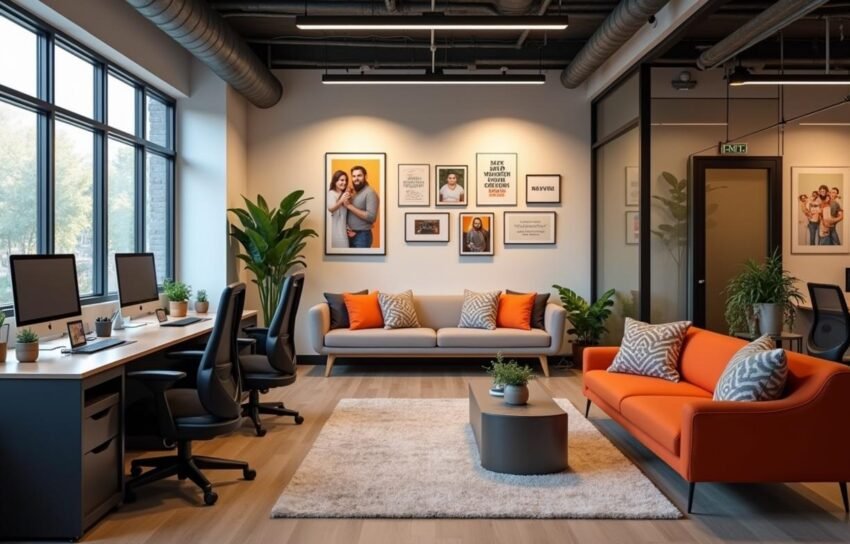
Personalizing shared office doesn’t stop at individuals’ desks. Enriching communal areas such as break rooms, hallways, or small lounge corners can encourage spontaneous interactions. A cozy sofa, some art on the walls, or strategically placed conversation-starter items might prompt creative ideas to flow more freely.
Groups often bond more when they have comfortable spaces to chat informally. A well-lit common space with a themed wall or a collage of team photos can spark conversations and break routine. Tailoring these areas can help employees connect on a personal level, fostering a supportive environment that translates into more effective teamwork.
Showcasing Company Culture with Décor
A communal area is an ideal spot to reflect the organization’s core values and culture. Displaying milestone achievements, inspirational quotes from the leadership team, or fun snapshots from company events sets a positive tone. This visual reminder can unify employees around shared goals.
Giving employees the flexibility to create small, themed displays can be a nice way to celebrate important occasions. Festive decorations during the holidays or color-coded accessories for awareness days build camaraderie. These decorative touches bring excitement and solidarity, reminding everyone they’re part of something bigger.
Organizing Personal Space Without Clutter
While self-expression is an asset, it’s important to maintain a tidy atmosphere. A cluttered office can be distracting and reduce work efficiency. Encouraging labeled storage bins or assigning small lockers can help employees keep both personal and shared items in check. Simple storage solutions maintain a polished look while letting individual flair shine.
It’s good practice to schedule periodic refresh sessions. This helps clear out items that are no longer needed and ensures that décor remains up to date. An environment that balances creativity and tidiness can keep energy levels high and office décor fresh.
Setting Guidelines for a Harmonious Blend
Some employees may get carried away while adding personal touches. Creating basic guidelines can help the team coexist smoothly. Emphasize respect for everyone’s tastes, so no one’s personal flair becomes intrusive or overpowering.
Office leaders might recommend general color themes or size limits on decorative pieces. Though suggestions should remain flexible, they provide a framework that keeps the workspace looking cohesive. It’s about maintaining unity, not limiting individual authenticity.
Encouraging Employee Well-Being Through Personalization
A well-thought-out approach to workplace personalization can have a positive impact on mental health. Small potted plants, comfortable lighting, and time-saving desk accessories can reduce stress. Input from employees helps management learn what drives happiness and satisfaction on a daily basis.
Empowering the team to shape their work environment can cultivate a sense of control. Remote workers who come in a few times a week can also benefit from dedicated spaces where they feel at home. Over time, personalization becomes a consistent reminder that each person’s work is valued and essential to the greater mission.
Nurturing Healthy Work Routines
When people have a say in how their section of the office looks, they’re often more careful about how they use that space. Adding items like standing desk converters or footrests encourages healthier body posture. Including small wellness reminders, like a water bottle station or a mindfulness poster, can subtly prompt frequent breaks and replenishment.
This approach fosters a sense of mutual care within the organization. Seeing others adopt better habits can motivate the entire team to pursue their own wellness goals. Over time, this mindset translates into fewer absences, reduced burnout, and a thriving office community.
Tapping Into Technology for Modern Work Styles
Many employees use laptops, tablets, and other gadgets, which can be integrated seamlessly into a shared workplace. Stylish cable management ideas can keep wires neat and visually appealing. Charging stations in common areas encourage easy access without cluttering personal desks.
A few well-placed digital displays might feature rotating motivational quotes, helpful company updates, or employee spotlights. Integrating these tools with personal touches creates a flexible space that supports modern work preferences and fosters open communication.
Evolving with Employee Feedback
Personalizing shared office is rarely a one-time project. Encourage regular feedback discussions or short online surveys to gather new thoughts on décor and functionality. Departments evolve, and so do individual tastes. Being open to adjustments and improvements keeps the workspace vibrant and relevant.
It often helps to rotate decorations tied to seasons or organizational milestones. Employees appreciate variety, and those seasonal shifts spark fresh ideas. As long as everyone remains open to compromise, a shared office space can keep evolving into a place where creativity thrives and teams feel at home.
Maximizing Your Office’s Potential Through Personalization
When done thoughtfully, personalizing shared office areas improves teamwork, boosts morale, and showcases a company’s core identity. Encouraging employees to add their flair can make workdays more enjoyable and productive. Thoughtful use of color, furniture, and décor can prompt more collaboration while supporting individual comfort.
There’s incredible value in blending personal touches with practical demands. By providing simple guidelines, listening to employee feedback, and focusing on harmonious design, any organization can create an environment where people flourish. In the end, a balanced, engaging workspace helps everyone show up each day inspired to do their best.