Designing a Bedroom That Actually Supports Rest
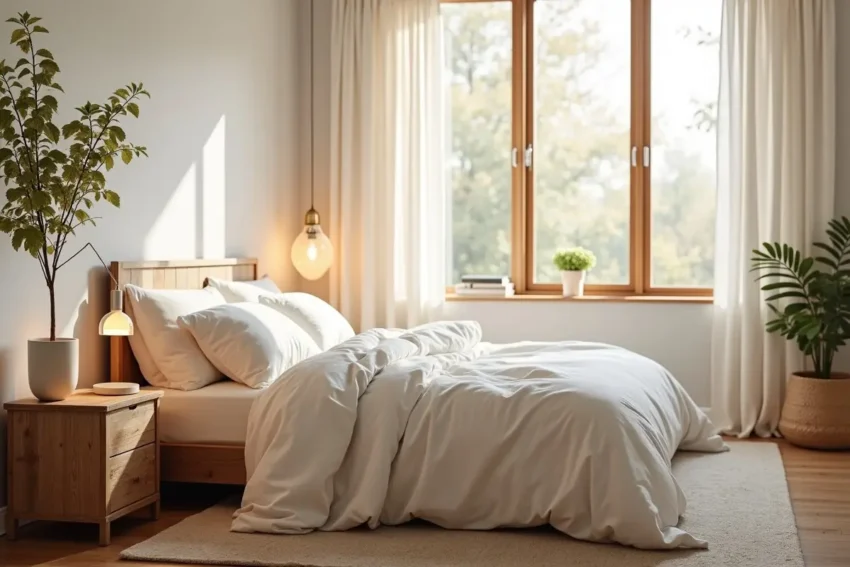
Bedrooms are often treated as the simplest room in the home. A bed, a dresser, and soft lighting seem enough on the surface. Yet many people notice that even well-decorated bedrooms fail to feel truly restful.
The problem is rarely color choice or layout. It usually comes down to how the space functions over time. Furniture quality, material choices, and visual stability quietly influence how calm a room feels at the end of the day.
Good bedroom design is less about decoration and more about creating an environment that supports consistent rest.
Contents
- 1 The Bedroom Has Become a Recovery Space
- 2 Materials Shape How a Room Feels
- 3 Stability Influences Sleep Quality
- 4 Design That Ages Well Reduces Redecorating
- 5 Visual Weight Creates Psychological Calm
- 6 Storage Should Reduce Mental Clutter
- 7 Sustainability Aligns With Long-Term Design
- 8 The Bedroom Should Feel Predictable
- 9 Practical Signs of Quality Bedroom Furniture
- 10 Designing for Rest Instead of Appearance
The Bedroom Has Become a Recovery Space
Modern life places constant demands on attention. Work follows people home through devices, schedules extend into evenings, and personal downtime continues shrinking.
Because of this shift, bedrooms now serve as recovery spaces rather than purely sleeping areas. People read, decompress, and reset mentally before sleep. The environment surrounding these routines matters more than ever.
Heavy visual clutter or unstable furniture creates subtle tension. A well-designed bedroom removes distraction instead of adding stimulation.
Calm design begins with permanence.
Materials Shape How a Room Feels
Material choice plays a larger role in bedroom comfort than many homeowners expect. Synthetic materials often reflect light differently and show wear quickly, which can make a space feel temporary.
Natural materials such as solid wood introduce visual warmth and consistency. Grain patterns soften the room without overwhelming it, while durable construction prevents the shifting or loosening that occurs with lighter furniture over time.
Bedrooms benefit from materials that age gradually rather than deteriorate suddenly.
Consistency creates comfort.
Stability Influences Sleep Quality
Sleep researchers frequently point to environmental stability as a contributor to rest quality. While lighting and noise receive most attention, physical surroundings also play a role.
Furniture that creaks, shifts, or requires frequent adjustment introduces minor disruptions that accumulate subconsciously. Solid construction reduces these interruptions.
Choosing bedroom furniture built from solid wood provides structural reliability that supports long-term use. Bed frames remain steady, drawers maintain alignment, and surfaces withstand daily interaction without loosening.
A stable environment allows the mind to settle more easily.
Design That Ages Well Reduces Redecorating
Bedrooms often undergo repeated redesign because furniture trends change quickly. Lightweight materials and trend-driven finishes lose appeal or show wear within a few years.
Solid wood furniture behaves differently. Neutral finishes and natural textures adapt easily as bedding, lighting, and décor evolve. Instead of replacing major pieces, homeowners can refresh smaller elements while maintaining a consistent foundation.
This approach reduces both cost and decision fatigue.
Timeless design simplifies long-term living.
Visual Weight Creates Psychological Calm
Interior designers often discuss visual balance when planning restful spaces. Heavier materials anchor a room visually, preventing the floating or temporary feeling created by thin or modular furniture.
Solid wood bedroom sets provide grounding through proportion and material presence. The room feels settled rather than staged.
This effect becomes noticeable at night, when reduced lighting emphasizes shape and structure. Balanced visual weight encourages relaxation without requiring elaborate design choices.
Calm often comes from restraint.
Storage Should Reduce Mental Clutter
Bedrooms function best when storage supports organization without drawing attention. Poorly constructed drawers or inconsistent storage systems quickly create frustration during daily routines.
Well-built dressers and nightstands maintain smooth operation over years of use. Reliable storage helps maintain visual order, which directly affects how restful a space feels.
When belongings have consistent places, the room remains visually quiet.
Order supports rest.
Sustainability Aligns With Long-Term Design
Sustainable interior design increasingly focuses on longevity rather than material trends alone. Furniture designed to last decades reduces waste associated with repeated replacement cycles.
Solid wood furniture can be refinished, repaired, or repurposed as needs change. This flexibility extends product life and reduces environmental impact.
Choosing durable bedroom furniture reflects a design philosophy centered on permanence rather than consumption.
Longevity becomes part of responsible design.
The Bedroom Should Feel Predictable
One overlooked aspect of good bedroom design is predictability. Familiar surroundings help signal the transition from activity to rest.
Furniture that remains dependable year after year contributes to that sense of continuity. The room feels recognizable and steady even as life circumstances change.
Predictability supports routine, and routine supports sleep.
Design succeeds when it fades into comfort.
Practical Signs of Quality Bedroom Furniture
When evaluating bedroom furniture, a few details often indicate long-term performance:
- Solid joinery instead of staple or glue-only construction
- Smooth drawer operation without resistance
- Consistent wood grain across visible surfaces
- Weight that reflects durable materials
These features signal furniture designed for everyday living rather than short-term display.
Quality becomes evident through use.
Designing for Rest Instead of Appearance
A well-designed bedroom does not compete for attention. It supports rest quietly through thoughtful materials and reliable construction.
Solid wood furniture provides permanence in a space meant for recovery. Over time, that stability shapes how comfortable evenings feel and how easily mornings begin.
Bedrooms work best when design decisions prioritize lived experience over visual impact. When furniture supports calm rather than constant change, the room fulfills its most important purpose.
It becomes a place where rest happens naturally.