Dating Changes for You When You’re Older
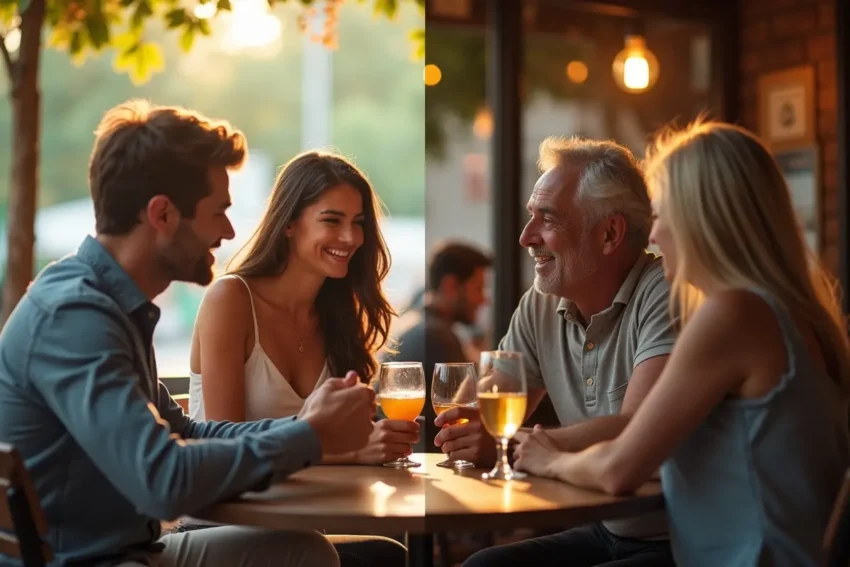
The person you were at 25 wanted different things from a partner than the person you are now. This is not a revelation, but it bears stating because the entire framework of dating shifts as you age. The urgency fades. The checklist shortens. The tolerance for nonsense drops to zero.
At 65 and older, 36% of adults identify as single. The gender breakdown tells a more specific story: 49% of women in this age group are single, compared to 21% of men. These numbers shape everything from who initiates contact to how long people wait before making decisions about commitment.
Contents
- 1 The Reasons People Date Change
- 2 What Gets Harder After Your First Few Decades
- 3 Living Arrangements Look Different
- 4 The Gray Divorce Effect
- 5 Widowhood Carries Its Own Weight
- 6 Online Dating, But Different
- 7 Scams Target Older Daters
- 8 Sex Remains Part of the Picture
- 9 Loneliness Drives Some Decisions
- 10 The Benefits Hold Up
The Reasons People Date Change
Younger adults date with marriage and family-building in mind. Older adults have often already done that. According to research from the Kinsey Institute and Match, getting married again holds little appeal for older daters. Companionship takes priority over love as the primary motivation.
This distinction matters. When you are looking for someone to share meals with, travel with, or simply talk to at the end of the day, you evaluate potential partners differently. Physical attraction remains relevant, but compatibility in daily habits and long-term goals carries more weight.
About 22% of American seniors say they want to date casually or be in a committed relationship. The rest have opted out entirely, and many of them are content with that choice.
What Gets Harder After Your First Few Decades
Dating in your 40s and beyond comes with a specific set of obstacles that younger people rarely encounter. The pool of available partners shrinks, and those who remain often carry complicated histories involving children, prior marriages, or long-term caregiving responsibilities. According to research, 25% of non-daters aged 50 and older cite feeling too old as a major reason they have stopped looking altogether. Awareness of common dating pitfalls in your 40s can help people approach this period with realistic expectations.
Repartnering after divorce or widowhood follows different timelines depending on gender. Approximately 37% of divorced men find new partners within 10 years, compared to 22% of divorced women. Widowed adults face an additional layer of difficulty because they may be mourning a happy marriage rather than recovering from a troubled one.
Living Arrangements Look Different
Remarriage rates for people over 50 have stayed flat for years. Cohabitation in the same age group has quadrupled between 2000 and 2020. A third option has become common: living apart together, where partners maintain separate households while remaining romantically involved.
This setup appeals to older adults who value both intimacy and autonomy. After decades of sharing space with spouses, children, or both, some people prefer having a place that belongs only to them. They want a partner but not a roommate.
The Gray Divorce Effect
The divorce rate among adults 50 and older has more than doubled since 1990. One in four people divorcing in the United States now falls into this age bracket. The share of divorced older adults rose from 5.2% in 1990 to 15.2% in 2022.
This creates a large population of older adults who are single by choice rather than circumstance. They ended marriages that no longer worked, and they bring that knowledge into new relationships. They know what they will not tolerate.
Widowhood Carries Its Own Weight
Among adults 65 and older, 34.2% of women have lost a spouse, compared to 11.6% of men. The grief that follows a death differs from the relief or regret that follows a divorce. Widowed people may feel guilty about dating, or they may struggle to connect with someone new because they are still in love with a person who is gone.
This psychological barrier keeps many widowed adults from seeking new partners. Some also fear becoming a caregiver again. They watched a spouse decline and do not want to repeat that process with someone else.
Online Dating, But Different
Only 13% of adults 65 and older have used dating sites or apps. Those who do tend to choose platforms that cater to long-term connections. Match attracts 44% of senior users, and eHarmony draws 34%. Tinder, which dominates among younger users, holds little appeal.
The preference for Match and similar sites reflects what older adults are looking for. They want profiles with substance, not photos designed for quick swipes. They want to read about someone before deciding to meet them.
Scams Target Older Daters
The FBI reported that adults 60 and older lost nearly $4.9 billion to fraud last year, with romance scams accounting for $329 million of that total. The average loss was $83,000. Older adults submitted more fraud complaints than any other age group, with over 147,000 reports filed.
This explains why 73% of seniors want background checks on dating sites. They have reason to be cautious. Scammers target older adults because they often have savings and may be more trusting.
Sex Remains Part of the Picture
About 40% of people between 65 and 80 are sexually active. Among those in relationships, over half report having sex. According to AARP data, 26% of adults in their 60s have sex weekly, and 17% of those 70 and older do the same. Seventy-six percent of seniors in relationships say sex remains an important part of their partnership.
But there is a problem. Only 13% of older adults reported using barrier protection during their last sexual encounter, according to one study. Rates of chlamydia, gonorrhea, and syphilis among people 55 and up more than doubled between 2012 and 2022, per CDC data. Syphilis cases in this age group increased sevenfold.
Older adults grew up before comprehensive sex education became standard. Many were in monogamous marriages for decades and never had to think about protection. They are now entering a dating environment where STIs spread easily, and they are not prepared.
Loneliness Drives Some Decisions
Over a third of adults between 50 and 80 reported feeling socially isolated in 2023. Thirty-seven percent said they lacked companionship, an increase from before the pandemic. Research from the National Academies of Sciences, Engineering, and Medicine found that socially isolated seniors are 1.5 times as likely to be diagnosed with dementia.
These numbers explain why some older adults pursue relationships even when they feel unprepared or reluctant. The alternative, prolonged isolation, carries serious health consequences.
The Benefits Hold Up
Older couples often communicate better than younger ones. They have learned what works and what does not. Studies show that being in a satisfying relationship at older ages is linked to better physical health, stronger immune function, improved cardiovascular health, and better sleep.
Couples who prioritize companionship report higher positive affect and greater closeness. The relationship does not need to be passionate to be valuable. It needs to be present.