How Commercial Control Systems With Occupancy Sensors Improve LED Lighting Efficiency
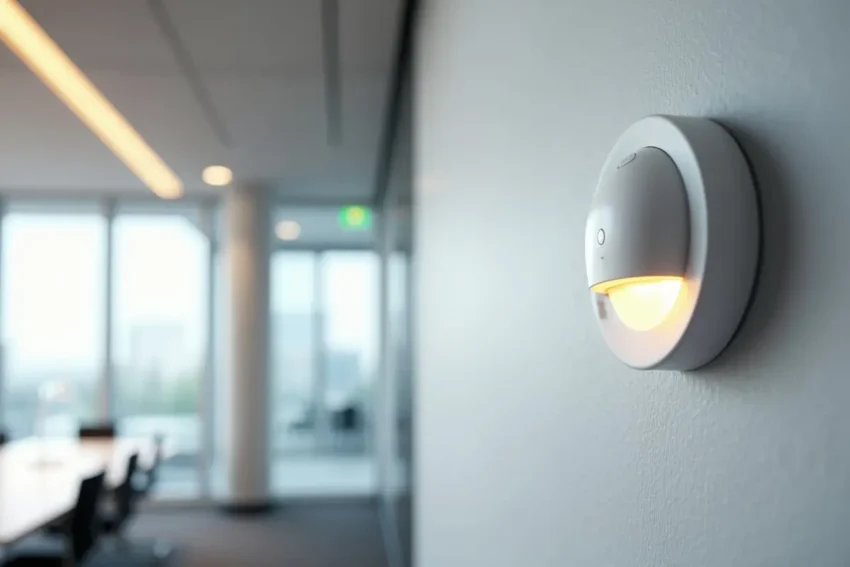
Commercial buildings demand consistent light quality while tight energy budgets place pressure on facility managers. LED fixtures already deliver lower power draw compared to legacy options, yet real gains appear once control systems enter the picture. Occupancy sensors allow light output to align with real space use rather than fixed schedules.
LED lights controller systems with occupancy sensors help reduce wasted electricity across offices, retail floors, warehouses, and public facilities. Control platforms coordinate sensors, fixtures, and software into a single framework. Facility teams gain clearer visibility into light behavior across zones and floors. The result combines energy savings, longer fixture life, and steadier visual comfort for occupants.
Contents
Precise Light Use Based on Space Activity
Occupancy sensors detect presence within defined areas and relay signals to control panels. Lights switch on only when people enter a space, which cuts idle power draw. Meeting rooms, storage zones, and restrooms benefit greatly from this logic.
Sensors apply preset delay times that prevent rapid switching during short absences. This balance protects driver components while still reducing waste. Facility teams tailor sensor sensitivity to match room size and traffic patterns. Precise activation aligns light use with actual demand rather than assumptions.
Reduced Energy Load Across Daily Operations
Control systems coordinate multiple fixtures within a zone rather than rely on single switches. This coordination lowers peak electrical demand during business hours. Energy meters connected to control software track usage trends across days and weeks.
Managers spot high consumption zones and adjust sensor rules accordingly. Automated shutoff after hours prevents lights from running overnight. Seasonal schedule adjustments match daylight changes without manual intervention. These features combine to trim utility costs without any drop in service quality.
Extended Fixture Lifespan and Maintenance Savings
LED fixtures last longer when control systems limit unnecessary runtime. Shorter daily operating hours reduce thermal stress on drivers and diodes. Sensors prevent lights from staying active in empty spaces for long periods. This practice delays lumen depreciation across the fixture array.
Maintenance teams face fewer lamp replacements and service calls. Budget planning becomes more predictable due to stable asset performance. The facility benefits from lower material costs and reduced labor demand.
Improved Visual Comfort and Workplace Experience
Occupancy sensors support consistent light levels within active areas. Employees avoid sudden darkness or glare during normal movement. Control systems allow a gradual ramp-up rather than an abrupt full output. This smooth response supports eye comfort and task focus.
In shared spaces, light adapts to real headcount levels. Retail environments gain balanced illumination that supports product visibility. Comfort gains contribute to a positive perception of the workspace.
Data Insight and Control System Integration
Modern control platforms collect data from sensors across the facility. Dashboards present real-time status for each zone and fixture group. Facility managers review usage reports to guide energy strategy decisions. Integration with building management systems aligns lighting with HVAC schedules.
Emergency overrides ensure safety compliance during drills or outages. Software updates refine sensor logic without hardware changes. Data-driven oversight turns lighting into a managed asset rather than a fixed utility.
Commercial led lights controller systems paired with occupancy sensors unlock the full potential of LED lighting. These systems align light output with real human presence across diverse spaces. Energy savings rise through reduced runtime and lower peak demand. Fixture lifespan improves due to controlled usage patterns and lower thermal strain.
Occupants enjoy a steady light quality that supports comfort and productivity. Facility teams gain actionable data and centralized control. This combination delivers efficient, reliable, and cost-conscious lighting performance across commercial environments.