Common Exterior Remodeling Mistakes – and How to Avoid Them
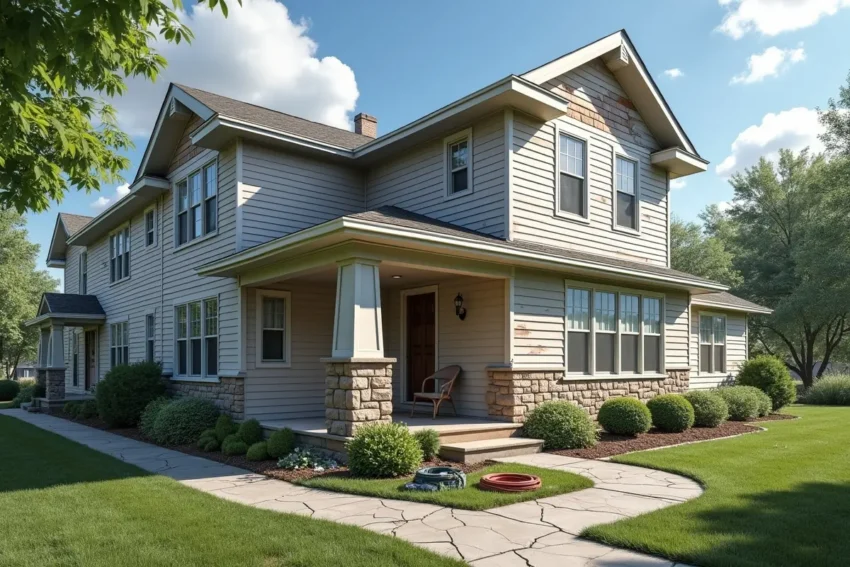
Exterior remodeling often feels manageable at first glance, yet many homeowners discover unexpected challenges once work begins. Siding, roofing, windows, gutters, and doors all play different roles in protecting the home, so mistakes in any of these areas create costly setbacks.
Careful planning helps avoid the common issues that slow down remodels or lead to repairs shortly after completion. A clear understanding of how each part of the exterior functions supports stronger choices and better long-term results. The sections below explore some of the most frequent mistakes and provide simple, practical guidance that keeps projects on track.
Contents
- 1 Siding Decisions Made Without Understanding Material Behavior
- 2 Roofing Plans Formed Without Assessing Existing Decking or Structure
- 3 Window Replacements Completed With Incorrect Fit or Frame Depth
- 4 Gutter Layouts Designed Without Considering Water Capacity
- 5 Exterior Door Choices Made Without Checking Structural Alignment
- 6 Exterior Paint Applied to Surfaces That Aren’t Properly Prepared
- 7 Landscaping Features Added Without Studying Drainage Paths
- 8 Ventilation Upgrades Overlooked During Exterior Improvements
Siding Decisions Made Without Understanding Material Behavior
Many homeowners choose siding based on appearance alone. Real value comes from selecting materials that respond well to the home’s climate, moisture levels, and exposure to sunlight. Certain materials perform beautifully in dry regions but struggle in humid areas. Some options require routine upkeep that homeowners may not be prepared to manage.
Better decisions come from learning how each material handles temperature shifts, wind pressure, and daily wear. That’s where a knowledgeable team like KVN Construction can make the process easier—by helping homeowners match the right siding to real-world conditions, not just color and texture.
If you’re looking for reliable professionals, aligning yourself with a KVN siding contractor can help ensure high-quality installation, durable materials, and a polished exterior finish. With professional guidance, you’re less likely to run into issues like trapped moisture, poor fastening, or uneven seams that can shorten the life of the siding.
Roofing Plans Formed Without Assessing Existing Decking or Structure
Many roofing upgrades begin with enthusiasm about color, texture, or shingle type, yet problems often appear once old materials are removed. Weak decking, uneven surfaces, and aging structural components add work that was never included in the original plan.
This step avoids surprises that stretch the budget or delay installation. A sound roof also protects surrounding areas such as siding edges, gutters, and attic airflow. Proper assessment builds a foundation for better roofing performance and helps homeowners avoid frustration midway through the project. Start with an inspection of the decking and structure so the plan reflects the roof’s real condition before materials are chosen.
Window Replacements Completed With Incorrect Fit or Frame Depth
Many issues in window replacement come from measurements that seem accurate at first glance but fail once installation begins. Small gaps or uneven frame depth create drafts, moisture intrusion, and visual imbalance. A precise evaluation of existing trim, wall thickness, and siding layout ensures the new window fits cleanly.
Modern windows offer stronger insulation and smoother operation, yet these benefits only appear when the frame sits correctly within the opening. Careful planning during the measurement stage protects the home from leaks and supports a polished exterior appearance. Get the fit right by verifying measurements, frame depth, and wall thickness so the window installs square, sealed, and clean-looking.
Gutter Layouts Designed Without Considering Water Capacity
Gutters often look simple, yet the system works only when sized and placed with accuracy. Shallow slopes or narrow channels push water toward the foundation, where it can cause erosion or basement moisture. Downspouts located too close to walkways or plant beds also create messy puddles and uneven wear.
Water movement around the property deserves attention before installation begins. Thoughtful planning strengthens the home’s drainage pattern and protects siding, landscaping, and roofing materials. Reliable gutters serve as quiet, dependable support for the entire exterior. Match gutter and downspout capacity to your roof runoff, then set the slope and discharge locations to move water safely away from the foundation.
Exterior Door Choices Made Without Checking Structural Alignment
Exterior doors influence both security and curb appeal, yet many homeowners choose new models without looking closely at framing conditions. Misalignment leads to sticking, uneven gaps, and drafts that weaken energy efficiency. Strong hinges, appropriate insulation value, and a correctly positioned threshold contribute to a smooth installation.
A door that aligns properly with the home’s structure handles daily use with ease and offers lasting performance. Careful evaluation during the selection process saves time and frustration once the project transitions to installation. Confirm the opening is level and plumb first, then choose hardware and thresholds that support a tight seal and smooth daily use.
Exterior Paint Applied to Surfaces That Aren’t Properly Prepared
Many paint failures start long before the first coat touches the wall. Dirt, loose layers, and moisture pockets prevent paint from bonding correctly, which leads to early peeling and uneven color. A clean, dry, and repaired surface gives the paint a stronger foundation.
Homeowners who rush through preparation often find themselves repainting sooner than expected, which adds cost and time they hoped to avoid. Proper prep work creates a smooth, refined appearance that stands up to daily weather conditions and sunlight exposure.
Landscaping Features Added Without Studying Drainage Paths
Landscaping brings personality to a home, yet it can unintentionally disrupt natural water flow. Stone borders, garden beds, or newly planted shrubs often shift runoff toward siding or foundations when placed without planning. Water that pools near the home encourages rot, soil erosion, and mold growth.
A clear understanding of how water moves across the property helps homeowners place features where they enhance beauty without harming structural elements. Smart landscaping supports both curb appeal and the long-term health of the exterior.
Ventilation Upgrades Overlooked During Exterior Improvements
Ventilation influences how siding, roofing, and attic insulation perform. Poor airflow traps heat and moisture, which weakens materials over time. Attic vents, soffit openings, and ridge systems all work together to move air through the structure.
Many homeowners replace roofing or siding without checking whether vents are blocked or undersized. A quick evaluation prevents issues such as warped shingles, musty odors, and reduced energy efficiency. Proper ventilation strengthens the home’s entire exterior and supports comfortable indoor temperatures.
Exterior remodeling delivers meaningful improvements to a home’s appearance and performance, yet each upgrade requires awareness of details that often go unnoticed at first glance. Careful decisions about siding, roofing, windows, gutters, doors, paint, landscaping, and ventilation protect homeowners from costly corrections later.
A thoughtful approach builds confidence during the planning process and keeps the project moving steadily toward a clean, durable outcome. Strong results come from understanding how each part of the exterior interacts with the others and making choices that support long-term value. Homeowners who prepare well enjoy a smoother experience and a finished exterior that looks refined and performs reliably through every season.