Collecting Rare and Antique Art: Tips and Trends
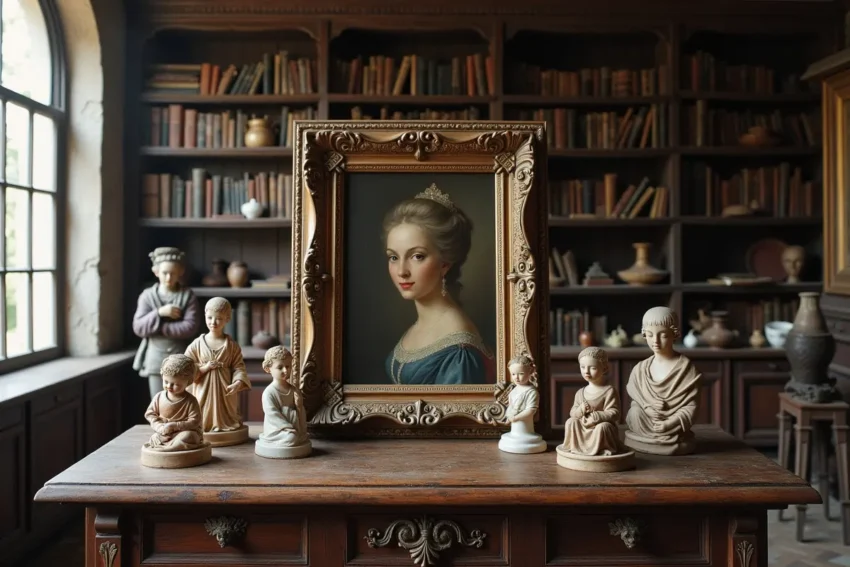
Embarking on the journey of collecting rare and antique art is an exhilarating and endlessly rewarding pursuit. Whether you are taking your first steps as a novice or seeking to refine an established collection, learning the nuances of the art world elevates both enjoyment and financial potential. As you delve into this fascinating arena, access to trusted venues, such as fine art auction houses, and understanding reputable dealers is crucial to finding authentic pieces and making strategic decisions.
The world of rare and antique art collecting has undergone significant expansion in recent years, incorporating digital tools, global marketplaces, and contemporary trends. With a discerning eye and informed approach, collectors today encounter more opportunities—and more potential pitfalls—than ever before. Cultivating thoughtful strategies will help you navigate market changes while building a meaningful collection.
Staying current with market innovations, authenticity standards, and best preservation practices ensures both your investment and enjoyment thrive for the long term. Additionally, establishing connections with trusted experts and communities can open doors to exclusive opportunities and valuable guidance. Committed collectors are part of a vibrant network, bound by a shared passion for cultural heritage and discovery.
Contents
Understanding the Market
The rare and antique art market is dynamic, influenced by shifting economic conditions, cultural movements, and accelerating technological advancements. Seasoned collectors monitor art fairs, international auctions, and online sales to detect emerging patterns. The digitization of the art market has broken down traditional barriers, allowing collectors to access and evaluate artworks from anywhere in the world.
Market demand frequently shifts between artistic periods, styles, and even categories such as decorative objects, traditional paintings, or modern sculpture. Collectors who stay informed about current tastes and global trends place themselves at a distinct advantage, often discovering undervalued categories before they become popular.
Identifying Authentic Pieces
Authenticity is the cornerstone of all high-value art collections. Navigating forgeries and reproductions requires not only a trained eye but meticulous documentation, known as provenance. Provenance traces an artwork’s ownership back to its origin, sometimes over centuries. Utilizing databases helps validate an artwork’s legitimacy, and some collectors also rely on independent experts and scientific tools (like carbon dating or pigment analysis) to aid authentication efforts.
Before purchasing, request the artwork’s provenance documents, exhibition histories, and any prior appraisals. A robust paper trail not only boosts your confidence in the piece’s authenticity but also enhances its future resale value.
Emerging Trends in Art Collecting
The art world is never stagnant, and the focus of collectors continues to evolve. In recent years, 20th-century design—particularly lighting fixtures, mid-century furniture, and industrial objects—has experienced a surge in demand. Younger collectors often seek out works that reflect social, political, or environmental themes, while others prioritize craftsmanship and rarity. Digital art and NFTs have garnered attention, and while the traditional market remains robust, new categories continually emerge to challenge conventional tastes.
Understanding what motivates current buyers can help guide acquisitions, whether your goals are curatorial, aesthetic, or financial.
Where to Find Rare Artworks
Discovering exceptional pieces is as much about strategy as it is about serendipity. Some top options include:
- Estate Sales and Flea Markets: These venues, especially in historic cities, can yield tremendous finds for those with patience and expertise.
- Online Marketplaces and Auctions: Digital platforms democratize collecting, making global inventories accessible at your fingertips. Choose established vendors and review previous transactions for assurance.
- Specialty Antique Shops: Boutique merchants offer curated selections—and their owners frequently possess specialized knowledge about eras, materials, or regional artistry.
Preserving and Maintaining Your Collection
Longevity and continued value depend on expert preservation. Exposure to fluctuating temperatures, high humidity, or direct sunlight can cause irreparable damage to artworks. Storage and display spaces should have stable climate control and minimal exposure to light. Consider working with conservation professionals for particularly delicate or valuable items.
- Climate Control: Artworks require regulated temperature and humidity for optimal preservation.
- Lighting: Filtered lighting—ideally UV-free—helps prevent fading and discoloration.
- Handling: Use gloves and support artwork properly during transport or examination.
Preventative care not only protects individual works but also sustains your collection’s overall value.
Investing in Art
Art can be a uniquely rewarding asset within an alternative investment portfolio. Well-chosen works from in-demand artists or movements have realized exceptional long-term appreciation. For example, a Jean-Michel Basquiat piece that sold for $77,300 in 1993 later fetched $4.59 million in 2020. This volatility and upside potential attract both private collectors and large investment funds. Researching trends, consulting historical sales data, and evaluating condition and provenance all contribute to making sound investment choices.
Legal Considerations
Robust legal understanding protects your collection from future complications. Ensure pieces come with provable provenance, particularly if acquired internationally. Compliance with import/export regulations is non-negotiable—ignoring these can result in confiscation and substantial fines. Furthermore, comprehensive insurance policies protect collectors from theft, fire, or accidental loss; seek out providers experienced in fine art to tailor policies to your specific needs.
Building a Network
Art collecting flourishes within a web of relationships—dealers, fellow collectors, historians, and curators. Participating in local art societies, joining online forums, and attending gallery openings not only develop expertise but also provide opportunities. Networking introduces you to private sales, exclusive previews, and updates on upcoming exhibitions. These relationships are invaluable in a field where reputation, trust, and inside knowledge often lead to the most coveted acquisitions.