Why Certified Septic System Inspections Are Essential for Mountain Homes
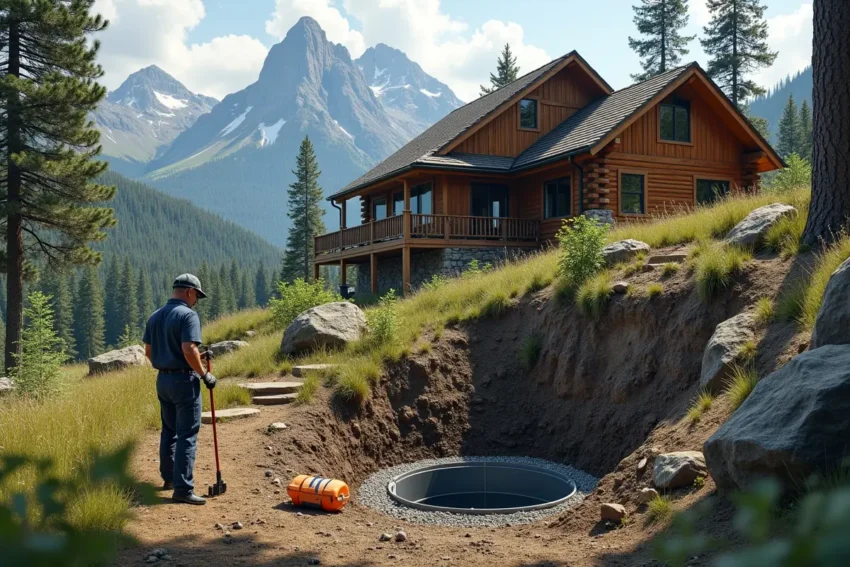
Maintaining a healthy septic system is not just routine property maintenance; it is a critical safeguard, especially for homeowners living in the mountains. Mountainous regions often feature fragile environments, variable weather patterns, and unique geological characteristics that can pose significant challenges for wastewater management. For these reasons, a certified septic system inspection becomes vital for property owners and real estate professionals alike.
These inspections provide peace of mind, verifying that the system functions properly and is less likely to fail or cause damage to the property or surrounding landscape. Viking Environmental and Septic Services, based in Fletcher, NC, stands out as a trusted provider of North Carolina-certified inspections for Asheville, Hendersonville, and the broader Western North Carolina region, helping homeowners comply with local regulations while preserving property value and environmental health.
Contents
- 1 Importance of Certified Septic Inspections
- 2 Unique Challenges in Mountain Terrain
- 3 Components of a Certified Septic Inspection
- 4 Warning Signs Indicating Need for Inspection
- 5 Role of Certified Inspectors and Equipment
- 6 Impact on Real Estate Transactions
- 7 Environmental and Health Considerations
- 8 Conclusion
- 9 Frequently Asked Questions
Importance of Certified Septic Inspections
Regular septic system inspections are vital for both short-term peace of mind and long-term property stewardship. Septic systems are an essential yet often hidden aspect of a home, and their failure can result in unpleasant and sometimes hazardous conditions for homeowners and neighbors alike. Failing systems can be expensive to repair or replace, costing thousands, while environmental damage from leaks may also create legal liabilities and strain community relationships.
Many breakdowns stem from minor issues left unresolved, such as small leaks, clogs, or tree root intrusion, which gradually worsen over time. Homeowners who stay informed about common septic warning signs home inspection indicators can better recognize early red flags. By scheduling regular, certified inspections, minor defects can be identified and corrected before they escalate, ultimately saving time, money, and unnecessary stress.
Unique Challenges in Mountain Terrain
Mountainous regions pose unique challenges for wastewater management due to shallow bedrock, clay soils, and steep slopes. Shallow bedrock limits soil depth, hindering the filtration of bacteria and nutrients and increasing contamination risks. Clay soils, which absorb water poorly, can saturate during heavy rains, causing backups. Steep slopes can lead to runoff of effluent, threatening nearby water sources and properties. It is crucial for homeowners in these areas to consult certified inspectors familiar with the site-specific risks and management protocols for such environments.
Components of a Certified Septic Inspection
A certified septic system inspection involves a thorough process that includes tank evaluation, drain field assessment, and effluent quality testing. Inspectors open the tank to assess its structural integrity and sludge levels, check the drain field for proper wastewater dispersion, and test the effluent for quality before it enters the environment. This comprehensive review helps homeowners address potential issues and ensures the long-term performance and safety of the septic system.
Warning Signs Indicating Need for Inspection
Homeowners should stay vigilant about common warning signs of septic issues, which can arise between routine inspections. Signs to watch for include slow-draining sinks, showers, or toilets that might indicate a blockage or backup; persistent unpleasant odors near the septic tank or drain field, signaling possible leaks or poor wastewater treatment; and unusually lush grassy areas or standing water over the drain field, suggesting that effluent is surfacing before proper soil absorption.
Early recognition of these issues enables homeowners to address them promptly, averting costly repairs or the need for emergency septic services. For more comprehensive insights into septic warning signs during home inspections, consult the dedicated resource.
Role of Certified Inspectors and Equipment
Certified septic inspectors are trained professionals who undergo rigorous coursework and testing to gain their credentials. These experts use specialized tools such as pipe cameras, soil probes, and effluent meters to provide thorough, accurate system analyses that go far beyond a simple “eyeball” inspection. Their familiarity with local environmental regulations and regional septic design standards ensures that homeowners receive not only a complete evaluation but also trustworthy advice on maintenance schedules and repair options.
Engaging a certified inspector is the best way to guarantee that every critical aspect of your septic system receives appropriate attention—helping homeowners avoid future headaches and regulatory troubles.
Impact on Real Estate Transactions
In the context of real estate transactions, especially in areas with stringent environmental protections, such as many mountain communities, septic inspections are often required by lenders or local regulations. For instance, in Summit County, Colorado, and in parts of North Carolina, homes with septic systems require an Onsite Wastewater Treatment System Use Permit before property transfer. This step ensures that new owners do not inherit an unseen, costly problem and that the system remains compliant with health and environmental codes.
Certified inspections thus expedite smooth, confident property sales while safeguarding everyone’s interests, buyers, sellers, realtors, and even neighbors who might be affected by a poorly maintained system.
Environmental and Health Considerations
A malfunctioning septic system is more than a private problem; it quickly becomes a community and ecological issue. Properly functioning septic systems protect groundwater resources, prevent the spread of waterborne illnesses, and help maintain the quality of local rivers, lakes, and wells. The U.S. Environmental Protection Agency (EPA) reports that more than 60 million Americans rely on septic or similar decentralized systems; these homes are at higher risk for contamination problems if regular inspections are neglected.
By committing to regular, certified inspections, homeowners take an active role in protecting public health and the natural resources everyone depends on for clean water, recreation, and wildlife habitat.
Conclusion
In conclusion, certified septic inspections are a critical safeguard for homeowners, particularly in challenging environments such as mountainous terrain. Regular evaluations help detect minor issues before they escalate into costly repairs, environmental damage, or legal complications. From protecting groundwater and public health to ensuring compliance during real estate transactions, inspections provide both financial and environmental security.
By partnering with qualified professionals and maintaining a consistent inspection schedule, homeowners can preserve system performance, protect their property value, and contribute to their community’s well-being for years to come.
Frequently Asked Questions
How often should septic systems be inspected?
The EPA recommends that homeowners hire certified inspectors to examine their septic systems at least every three years, and more frequently if the home has a garbage disposal or the system is older or prone to trouble. Some local regulations may have even stricter guidelines.
What are the consequences of neglecting septic system inspections?
Neglecting inspections often leads to system breakdowns that can cost thousands of dollars in repairs, halt a home sale, or create liability for property and environmental damage. Problems such as untreated sewage surfacing or entering water supplies can pose serious health threats and might incur regulatory fines.
Are septic inspections mandatory during real estate transactions?
Yes, in many regions, septic inspections are required before property transfer to ensure system compliance and functionality, and to protect the interests of buyers and the broader community.
By adhering to regular, certified septic system inspections, homeowners and real estate professionals can ensure the longevity and efficiency of these essential systems, particularly in challenging mountain environments. These proactive steps not only protect your investment but also benefit your neighbors and the environment.