The Camping Gear Upgrade That Changes Everything (It’s Not What You Think)
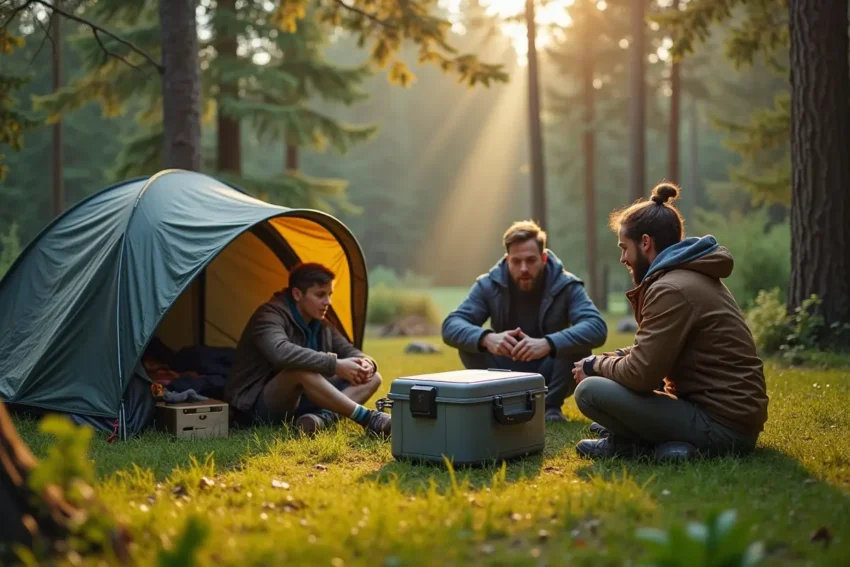
Ask most people what camping gear upgrade would transform their outdoor experience, and you’ll hear the usual suspects. Better sleeping bags. A quality tent. Maybe some fancy portable solar panels or a high-end cooker. All decent answers, but they’re missing the point.
The real game-changer isn’t about comfort during the trip. It’s about removing the friction that stops trips from happening in the first place.
Contents
The Setup Time Problem Nobody Talks About
Here’s what actually kills camping plans: the hassle factor. Not the experience itself, but everything that comes before it.
Most people enjoy camping once they’re out there. The problem is getting out there in the first place. You need to pack the car (which always takes longer than expected), set up camp in fading light because you left later than planned, and then reverse the whole process when you’re tired and ready to go home. By the time you factor in a full day of setup and packdown, a weekend trip starts feeling like too much work for not enough reward.
This is where families especially struggle. The kids are excited, but the adults are doing mental math on whether two days of relaxation is worth four hours of logistics. Often, it’s not. So, the camping gear sits in the garage, and everyone talks about “going soon” without actually booking anything.
The issue compounds over time. Each postponed trip makes the next one feel harder to organize. The gear gets buried deeper in storage. The enthusiasm fades a bit more.
Why Traditional Solutions Don’t Actually Solve This
The camping industry’s answer to setup hassle has typically been to make individual pieces of gear faster or easier to use. Pop-up tents that pitch in minutes. Inflatable mattresses with built-in pumps. Modular kitchen systems that pack flat.
These help, but they don’t address the core problem. You’re still pulling everything out, setting it up piece by piece, and organizing a temporary living space from scratch. Even if each component is quick, the cumulative time and mental load remains substantial.
Plus, there’s the weather factor. Setting up in rain is miserable. Packing down in mud means cleaning everything before storage. One bad weather experience can put people off camping for months, sometimes permanently.
The Upgrade That Actually Changes Behavior
The upgrade that changes everything isn’t gear you set up faster. It’s gear that stays set up.
When everything you need is permanently organized and ready to roll, camping stops being a project and starts being something you just do. The barrier drops from “we need to dedicate time to organizing this” to “we need to hitch up and go.”
This is exactly why people who invest in a proper camper trailer end up camping exponentially more than they did with traditional gear. The trailer becomes a mobile basecamp that’s always packed, always organized, and always ready. Kitchen stays stocked, bedding stays made, camping chairs stay loaded. When Friday afternoon hits, you’re not facing hours of preparation—you’re facing a quick check and departure.
The difference in actual camping frequency is dramatic. People who previously managed maybe four trips a year suddenly find themselves heading out every few weeks. The mental barrier disappears because the logistical barrier disappeared first.
What This Means for Actual Trip Planning
With setup friction removed, trip decisions become spontaneous rather than carefully orchestrated events. Weather looks good for the weekend? Go. Found a great spot you want to check out? Go. Kids have a random long weekend from school? Go.
This fundamentally changes how camping fits into life. Instead of being a special event requiring advance planning and coordination, it becomes an available option whenever time allows. The gear isn’t something you need to “prepare for camping”, it’s a tool that enables immediate departure.
The compound effect is significant. More trips mean more experience, which means more confidence, which removes even more barriers. Families develop efficient routines. Everyone knows their role. The learning curve flattens because you’re practicing regularly rather than relearning basics every few months.
The Cost Reality Check
There’s an obvious question here: what about the money?
A permanently ready camping setup costs more upfront than basic tent camping gear. That’s undeniable. But the calculation changes when you factor in actual usage.
Tent camping gear that gets used four times a year versus a trailer system that gets used twenty times a year—the cost per trip tells a different story. The gear that enables more experiences often delivers better value than the gear that sits unused because it’s too much hassle to deploy.
There’s also the hidden costs of not camping. Hotel stays for weekend getaways add up fast. A family weekend in budget accommodation easily runs several hundred dollars once you factor in meals. Do that math against camping trips across a season, and the numbers shift considerably.
But beyond pure economics, there’s the experience value. The memories created, the skills learned, the time spent together without screens, these have worth that doesn’t fit neatly into spreadsheets.
The Maintenance Trade-Off
Nothing’s perfect, and a more complex camping setup brings its own responsibilities. Storage space becomes a consideration. Maintenance requirements increase. There’s more to keep track of and more that can potentially need repair.
However, these concerns are usually less significant in practice than in theory. Yes, you need somewhere to keep a trailer. But that same space was probably already storing camping gear, now it’s just organized differently. Maintenance exists, but so did maintenance on tent gear (checking for mold, replacing damaged poles, repairing torn fabric). The tasks change, but the time investment often balances out.
The key difference is convenience during the times that matter most, when you’re deciding whether to actually go camping. Maintenance happens in your driveway on a Tuesday evening. Setup happens (or rather, doesn’t happen) when you arrive at your campsite on Friday night.
Making the Mental Shift
The hardest part of this upgrade isn’t financial or practical, it’s mental. There’s a common belief that “real” camping requires roughing it with minimal gear. That sleeping in a tent on the ground is somehow more authentic than having a comfortable, organized setup.
This perspective misses the point. The goal isn’t to prove toughness or minimize comfort. The goal is spending time outdoors, exploring new places, and creating experiences that wouldn’t happen at home. Whatever enables more of that is the right choice.
Some people genuinely prefer minimalist camping and thrive on the simplicity. That’s valid. But for many families, that approach becomes a barrier rather than a feature. The discomfort and hassle mean fewer trips, which means less time outdoors overall.
The best camping setup isn’t the one that matches some idealized notion of how camping “should” be done. It’s the setup that actually gets used, consistently and often.
What Changes When Camping Becomes Easy
When the friction disappears, camping transforms from a hobby requiring dedication into a lifestyle that just happens. Weekend trips stop requiring weeks of advance planning. Midweek escapes become possible. School holiday adventures happen without the massive organizational effort.
Kids grow up with regular outdoor time as normal rather than special. Camping skills develop naturally through repetition. The gear becomes familiar rather than novel. The whole experience shifts from “going camping” to “being somewhere else for a while.”
This is what the right upgrade enables. Not marginally better comfort during trips, but fundamentally different patterns of how often and how easily those trips happen.
The camping industry sells a lot of incremental improvements. Lighter packs, faster setups, better insulation. These have value, but they’re optimizing within the same basic framework. The upgrade that actually changes everything is the one that breaks that framework entirely, that removes setup as a consideration and makes departure the only remaining step.
That’s the upgrade most campers never consider but desperately need. Not because their current gear doesn’t work, but because it doesn’t work often enough.