How to Build a Reliable Emergency Fund That Lasts
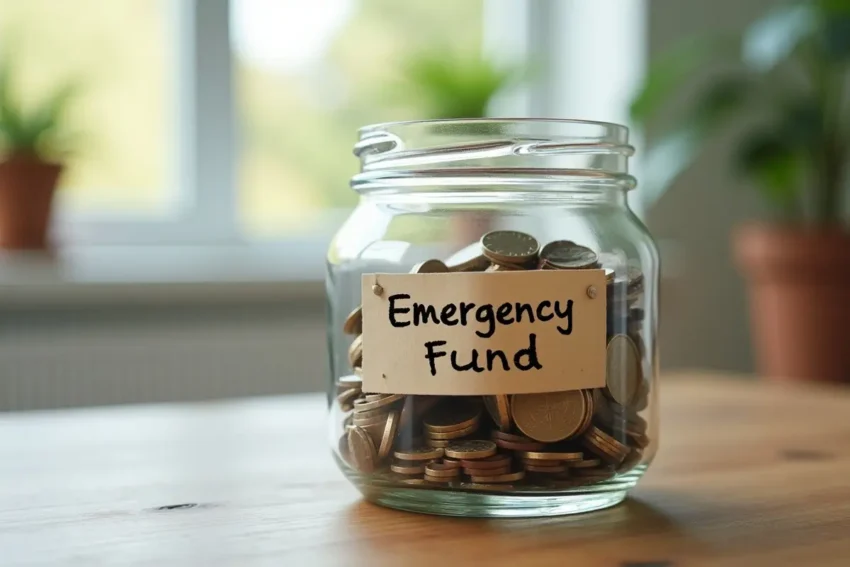
Creating an emergency fund is the foundation of robust financial health, providing a critical safety net for unexpected events such as medical bills, urgent repairs, or job loss. Without this buffer, even a minor emergency can unravel long-term financial plans. Establishing and maintaining this fund isn’t about luck—it’s about taking measured steps to secure your future. Discover the fundamentals of financial preparedness with this step-by-step emergency fund plan, setting you on a path to protect your peace of mind.
An emergency fund cushions you, minimizing the impact of life’s surprises and allowing you to focus on solutions rather than stress. By forming smart savings habits and using the right tools, anyone—regardless of income—can create an enduring emergency reserve that adapts with their life. The guidance below provides actionable strategies to help your emergency fund grow and last, rather than depleting when you need it most.
Contents
Assess Your Financial Needs
Your emergency fund should reflect your unique monthly obligations—think rent or mortgage, food, insurance, transportation, and utilities. Tracking your expenses over a typical month reveals the baseline amount you need to cover essentials in the event of an income disruption.
As a rule of thumb, multiply your monthly expenses by three to six to set your ideal fund size. For example, if you require $2,500 per month to stay afloat, aim for a fund between $7,500 and $15,000. Adjust upwards if you have dependents, fluctuating income, or insufficient health insurance. This Forbes guide on emergency savings can help you pinpoint your personal needs.
Set a Realistic Savings Goal
Accumulating several months’ worth of expenses can seem intimidating at first. Instead of getting discouraged by a large number, break your journey into smaller milestones. Consider saving your first $500 or $1,000 as a sign of your initial victory. As you accomplish each mini-goal, update your target and push forward. Incremental progress is both motivational and practical—every dollar saved strengthens your financial safety net and brings you closer to genuine security.
Automate Your Savings
Relying on willpower alone to achieve long-term success rarely works. Automating your savings—by setting up recurring transfers from your checking to your emergency fund—eliminates the risk of forgetting and ensures you consistently invest in your own stability. Choose a weekly or monthly transfer amount that fits your budget. Even a modest but regular contribution adds up over time, making the savings process painless and effective. This is especially crucial if your expenses or income fluctuate on a monthly basis.
Choose the Right Account
The correct savings account can boost your fund’s growth without compromising access in an emergency. A high-yield savings account offers significantly better returns than a standard one, while keeping your money readily accessible.
Avoid tying up your emergency savings in investments or accounts with withdrawal penalties—accessibility in a crisis is paramount. Consider separating your fund from your primary checking account to reduce temptation and keep emergency funds strictly for emergencies. Forbes’ rankings of high-yield savings accounts can help you compare options for both returns and convenience.
Cut Unnecessary Expenses
A careful review of your monthly spending can reveal surprising opportunities to supercharge your savings. Start by identifying unused subscriptions, premium cable packages, or frequent dining out. Redirect those savings straight to your emergency fund. Even small changes—such as brewing coffee at home or carpooling—can create a steady flow into your reserve, accelerating your progress without compromising your quality of life.
Use Windfalls Wisely
Bonuses, tax refunds, or unexpected financial gifts can significantly boost your emergency fund. While it can be tempting to spend these windfalls on non-essentials, consider allocating at least half—or ideally all—of such unexpected income directly to your fund. Building the habit of “paying your emergency fund first” when you come into extra money keeps you on track to reach your goals faster.
Only Use for True Emergencies
Protecting the purpose and integrity of your emergency fund is just as crucial as building it—reserve withdrawals for genuine crises, such as sudden illness, job loss, or urgent home repairs. Avoid the temptation to dip into your fund for predictable expenses—those should be planned for separately—or “wants” disguised as needs. Establish clear rules for yourself to prevent your emergency fund from becoming a fallback for overspending elsewhere.
Regularly Review and Adjust
Your emergency fund is not a “set it and forget it” asset. Major life changes—such as moving, having a child, or salary adjustments—require you to revisit and potentially revise your savings target. Make a habit of reviewing your emergency fund at least once a year or after significant shifts in expenses or income. This ensures your safety net stays strong and relevant, offering long-lasting peace of mind whether or not you face an emergency in the near term.
An emergency fund is a dynamic, essential part of personal finance. By staying disciplined, proactive, and flexible with your savings habits, you safeguard your financial well-being against uncertainty and gain the confidence to thrive, no matter what life brings.