Things You Should Think About Before Getting Gutters Installed
Gutters serve a critical purpose for every home. If you don’t have gutters on a building, you will immediately notice that water is running down the sides of your home and pooling against the siding. You will want to deal with this issue immediately if you don’t want flooded basements, damaged siding, and mold inside and outside of your home.
These gutter installation tips can help you to get the right gutter types and the correct arrangement of gutters so that your home will be fully protected from the elements. Snow, rain, and ice will not harm your home when you have the right gutters in place on your property. Keep reading to find out the things that you need to think about before you get gutters installed on your home or office building.
Contents
Things to Think About Before Getting Gutters Installed
1. Consider Roof Size and Pitch
The shape, pitch, and style of your roof will impact the gutters that you need. You will need to match the gutters that you select to the shape of your roofline. The downspouts and other parts of your gutter system also need to match your roofline, or they will not work correctly. This is one of the things that you might need an expert to help with, but you can easily do some research to find out which kind of gutters should be matched with which kinds of roof styles and designs.
Having the right shape and depth for each gutter, as well as placing your downspouts correctly, can change everything about the way that your home handles tough weather. This is an important part of the install process that you cannot cut corners on.
2. Choosing the Right Gutter Materials Matters
There are various materials that gutters can be made from. You might select aluminum gutters if you want corrosion resistance, a lightweight gutter material, and a durable gutter system. If you want to have a more attractive and high-end gutter style, you should consider copper gutters. This is a very specific style of gutter, but it can be perfect for some home types.
Vinyl is an ideal choice if you need to save money and if you want a warp-resistant option that will save you money. This is one of the best choices if there are wide variances in the temperature where you live, but vinyl can be harder to maintain in places that get lots of snow and ice.
There are also options like steel if you need a really durable gutter type. This might not be the right choice for most applications, but if you get lots of snow and ice where you live, steel can be the best choice to make.
3. Consider Your Landscaping
Landscaping can impact the kind of gutters that you need. If you have sloped yard spaces, garden beds, or hardscaping that you need to direct water away from, you need to build this consideration into your gutter designs. Downspouts and drip edges can impact the health of your landscaping and hardscaping, so you need to be sure that this is part of your design concept from the start.
What Are the Types of Gutters?
There are many styles of gutters out there. If you have never installed gutters, you probably aren’t aware of the various kinds of gutters that you can choose from.
K-Style
This is the most common gutter type for modern homes. They have flat backs and can be readily mounted on many surfaces. They are made to hold a lot of moisture and to hold up to environmental challenges. This is a stylish gutter that performs well for many styles of roofs.
Half-Round Gutters
Half-round gutters are the style that is seen more often on older homes. They do tend to need to be cleared more often due to their shape, but they offer a soft, pleasing appearance and can be great for places where precipitation is heavy.
The downspouts that you attach to your lines of gutters need to be placed correctly, or they will undermine the benefits of having gutters on your home. They should be placed about every 20 to 40 feet, depending on your home’s design, and they will need to direct water away from the foundation of your home and not toward it. The corners of a home are the ideal places to set downspouts, but you might also need to add some downspouts in other areas that could be low spots.
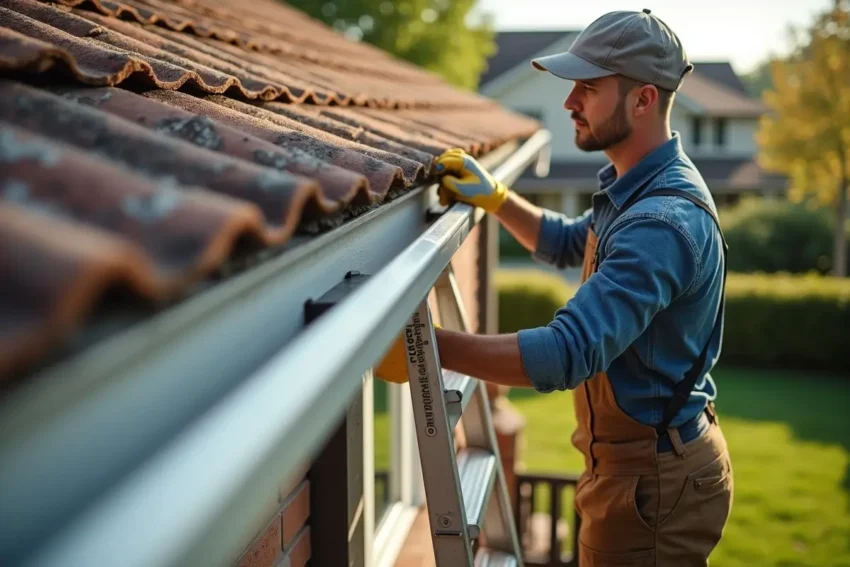
Make sure that you understand how to install gutters if you are thinking that you will do the work yourself. There are some important steps that have to be completed before you install gutters so that they are supported properly and don’t fail. You will need to measure and cut the gutters to fit your home and plan out the placement of your downspouts. Be sure that you put a slight slope in your gutters to force water to run into the downspouts as well.
Gutters Are an Important Part of Any Home
Gutters are a critical part of any home. They protect the foundation and landscaping around your home from being damaged by snow and rain, and they allow you to keep water out of the interior of your home. You need to have quality gutters to be sure that your home will not be negatively impacted by precipitation of various kinds.
If you are going to install gutters yourself, be sure that you take the time to prepare your home for the gutters to be installed, and take the time to learn how to install them with the right slope. The entire gutter system needs to be put in place in the right way to prevent issues that will lead to water ponding on your roof or running down the walls of your home.
If you are not prepared to install your own gutters, don’t worry! There are gutter installation companies that will be happy to help you with this need.