How Builders Are Balancing Function and Style in Contemporary Homes
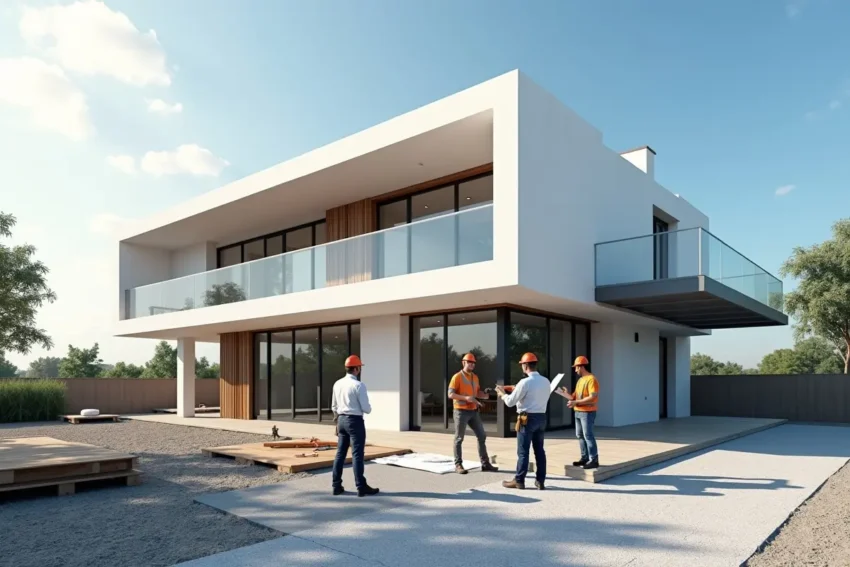
There once was a time when building a home was all about the construction. Solid foundations, great drywall framing, and proper plumbing — that was the job. How the finished product looked when move in time came around was up to the buyer. Not anymore. Or at least, not for many.
Nowadays, buyers walk into a builder’s office with Pinterest boards and screenshots from Instagram detailing how they want their homes to feel. Yes, they need functional spaces, but they also require spaces that look as if someone’s put some consideration into it along the way. As a result, builders need to think about the materials they choose and when the decision to design needs to come into play to facilitate a more aesthetically pleasing finished product.
Contents
The Expectation Gap Is Closing
For far too long, there have been separate expectations between builders and those responsible for more interior design or decoration work. Builders built the home while interior designers constructed everything else. Now, there’s a lot of crossover. Builders are expected to have an opinion about features and finishes and wall coverings and decorations — as opposed to just whether or not the load-bearing walls are where they need to be.
Part of this comes from the evolution of design-build firms where architecture, construction and interior design happen all under one roof. Part of it comes from even the standard residential projects where builders are expected to do more than just follow plans if they want repeat clients or word-of-mouth referrals. Not chiming in regarding the interior finishings isn’t an option anymore.
Where Function and Style Actually Meet
The thing is, it’s not as if function and aesthetics are that far apart to begin with. The same materials that operate well from a structural, durability standpoint also serve an incredible aesthetic purpose for finished spaces. Textured wall panels provide three-dimensional appeal to a room but also fulfill a function. They enhance acoustical performance, hide imperfections on walls behind them, and are much easier to maintain than plaster painted walls.
This is where the assessment of materials gets fun. When builders understand both sides (the visual and structural/aesthetic), they’re better positioned to recommend what’s appropriate and what’s simply looking good but falling apart two months after installation. For example, a bathroom feature wall done in a texture that falls apart because of humidity might look great in the supplier’s shop but isn’t cut out for use in an environment without moisture resistance. But without appropriate relationships and experience with such redundancies, it’s hard for builders to make these assessments.
This is why many builders and contractors team up with services like HVG Decorative Building supplies who have products that stand up to scrutiny for both aesthetics and functional expectations. Being able to rely on materials that provide performance and visual gratification makes for an easier approach to accomplishing construction goals.
The Details That Actually Make a Difference
When there’s a well-built modern home, there are those subtle things you can feel — even if you don’t know how to identify them. The walls feel like they’ve been constructed with intention. The transitions between surfaces are clean and concise. There are repetitive materials used throughout the space that make it all cohesive without excess cohesion. That doesn’t happen by accident.
Feature walls have become one of the go-tos for adding visual impact without overwhelming the aesthetic appeal; a single wall enhanced by some sort of textured paneling or decorative cladding or contrasting material helps ground a room in ways paint alone can’t bring out. Builders who know this take care of such decisions earlier on instead of waiting until it’s too late.
Ceilings are another area often overlooked; many builders default to flat plaster ceilings without a second thought. However, adding a coffered ceiling, batten detail or even something simple like shadow lines can completely change the impact of how a room feels. These aren’t expensive upgrades — they’re just needs which should have been given second thought before finishing work began on everything else.
Planning Earlier, Delivering Better
One of the most important aspects of how good builders are considering today’s modern residential constructs differently is when they decide upon a look. In the past, decisions about aesthetics occurred only at the end of construction; clients moved in after everything was built and trades finished their work so clients could choose paint colors and just settle in.
That approach left little room for effective integration. Now, builders should treat aesthetics like a dynamic part of the design and planning approach. If builders know there’s going to be a feature wall in the main living space ahead of time, they can frame appropriately with the right substrates for whatever finish goes in. If there’s going to be waterproof decorative wall panels, the waterproofing can be procured accordingly. Small decisions early on go a long way toward looking clean at the end result.
This approach also works well for budgeting purposes; trying to switch out materials halfway through because something was overlooked or trying to retro-fit something after everything was already completed generally costs more money and doesn’t necessarily turn out well in aesthetic appeal, either. Securing agreement early between all parties involved — builder and client — helps secure both margins for effective success.
Why It Matters More Than Ever
In today’s residential construction market where competition is high, clients have access to more information than ever before that raises their expectations beyond levels ever previously imagined (and give clients more abilities to find whoever they want to build their homes), builders who can create spaces that feel both well constructed and well-designed get repeat business for sure.
That doesn’t mean that every home needs to look like it’s come out of an Architectural Digest issue. Most clients just want something that feels considerate — materials make sense, lines are seamless, and it feels like someone had a hand in planning as opposed to putting everything together as quickly as possible without thought during work.
The builders who do this successfully aren’t necessarily those with the biggest budget or best marketing stratgeies; they’re the ones who’ve recognized that a successful build begins with good material choices — regardless if they’re meant more for functional or aesthetic purposes and who make said decisions both early on with intention behind them.