Auto Insurance Rate Trends You Should Know
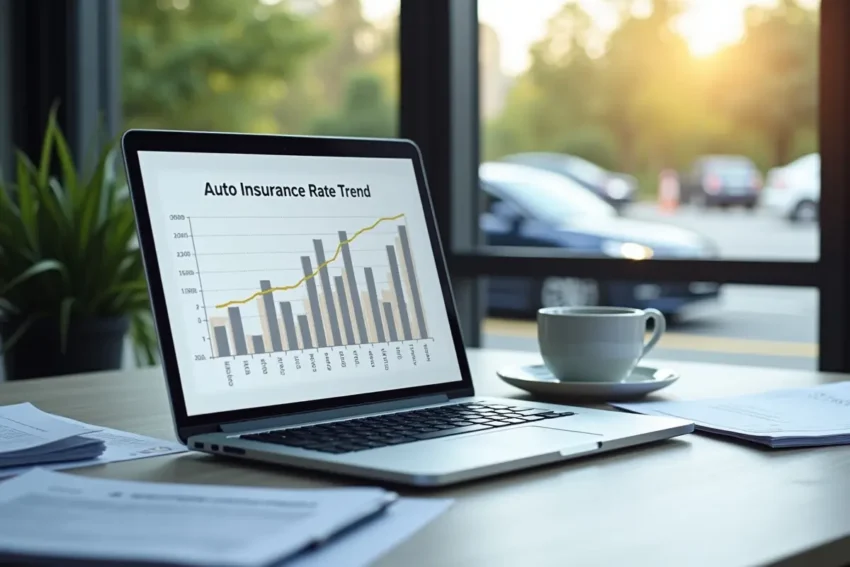
Auto insurance rates have seen dramatic fluctuations in the past several years, causing many drivers to wonder what triggers these shifts. An understanding of the recent changes and the reasons behind them can help you become a more informed consumer. With rising costs, more people are searching for better deals and seeking answers, such as explaining the increase in rates, to make the best decisions for their finances.
Knowing what impacts your premiums can empower you to manage your expenses and navigate the evolving market with confidence. Shoppers today are facing a rapidly changing environment, driven by economic, technological, and behavioral factors. By keeping an eye on current trends and forecasts, you can save money and avoid unwelcome surprises at renewal time.
Staying up to date with reputable industry reporting and consumer resources can also shed light on the nuances of insurance pricing and regional variations. For a deeper understanding of national auto insurance rate trends and what to expect, reviewing recent data and expert analyses is highly recommended.
Contents
Recent Trends in Auto Insurance Rates
Following a period of substantial increases during the pandemic and its aftermath, auto insurance rates have started to stabilize or even decrease in certain markets. For example, in 2025, California saw an 8 percent reduction in car insurance rates, reversing part of the preceding year’s 40 percent surge. This decline lowered the state’s average full-coverage premium to $2,309 per year, giving drivers a breather after steep previous hikes. Such shifts are reflective of insurers’ efforts to balance rising claims costs and market competition after years of volatility.
However, national trends do not paint a uniform picture. Rate changes can differ sharply from state to state and insurer to insurer. Factors like claim frequency, weather disasters, and regional regulations all play a role in shaping the rate landscape. While some regions enjoy relief, others have seen continued or even accelerating increases in premium demands.
Factors Driving Rate Changes
Several contributing forces determine whether your premium goes up or down:
- Repair and Replacement Costs: With manufacturers integrating more technology into even basic models, the cost of fixing modern vehicles has soared. Expensive components such as sensors, cameras, and electric drivetrains heighten repair bills when accidents occur, pushing up insurer expenses.
- Inflation: The general increase in prices for parts, labor, and replacement vehicles due to inflation directly impacts the overall cost of claims, which in turn affects premiums for everyone.
- Driving Behavior: Risky driving habits have increased, partly as a result of disrupted routines post-pandemic. More speeding, distracted driving, and higher accident rates all contribute to higher claims, which insurers factor into their pricing models.
Regional Variations in Premiums
Auto insurance costs vary considerably across the United States. Local economic health, climate risks, and regulatory differences mean drivers in some states pay far more than those in others. In 2025, nineteen states were set to experience premium increases, while others enjoyed rate drops or stability. States with high traffic density, severe weather events, or unfavorable legal climates tend to see the steepest hikes, making regional awareness crucial when reviewing your rates.
Impact of Vehicle Technology
Advances in automobile safety and convenience, from automatic emergency braking to lane-keeping assist, have reduced accident severity and saved lives. Yet, these technologies often require specialized repairs after even low-impact collisions. For instance, recalibrating sensors or replacing a cracked windshield equipped with built-in cameras is far costlier than repairs on older models, driving up average claim amounts and, in turn, premiums. Notably, increased electric vehicle adoption adds further complexity and cost to the claims process.
Consumer Behavior and Insurance Costs
Faced with rising premiums, more consumers are proactively shopping for better deals. In 2024, the rate of policyholders seeking alternative providers jumped significantly, as households became more sensitive to changing costs. Comparison shopping, leveraging discounts, and bundling policies are strategies more drivers are using to keep costs in check and maximize value. Insurers have responded by innovating with new pricing models and rewards for loyalty or safe driving. This consumer vigilance places pressure on the market to remain transparent and competitive in pricing.
Strategies to Manage Rising Premiums
Managing your auto insurance costs is more important than ever in today’s environment. Start by regularly comparing quotes from different providers to ensure you are receiving the best deal. Maintain a clean driving record, as insurers reward safe drivers with better rates. Consider bundling your auto policy with other types of coverage, such as homeowners or renters insurance, to qualify for multi-policy discounts. Increasing your deductible can also reduce premiums, but make sure you are comfortable covering this amount in the event of a claim.
Future Outlook for Auto Insurance Rates
Industry analysts predict a modest overall increase in auto insurance rates for 2026, with an expected average full-coverage premium rise of around 1 percent. However, several uncertainties, such as changes in federal tariff policies, fluctuating repair costs, and climate-related events, may introduce volatility and further regional disparities. By remaining vigilant, shopping periodically, and staying informed about market trends, consumers can better position themselves to manage increases and possibly take advantage of future savings.
Regularly reviewing your policy and remaining proactive in understanding market shifts is the best way to navigate changing auto insurance premiums. In an unpredictable market, knowledge is your greatest asset.